Morganite emerges from the earth in soft, glowing hues that immediately draw the eye with their gentle warmth. This variety of beryl captures light in a way that feels both delicate and enduring, making it a favorite among those who work with precious metals. Its presence in a finished piece signals quiet elegance rather than bold flash.
Physical Properties Morganite displays a hardness of 7.5 to 8 on the Mohs scale, placing it among the more durable gemstones suitable for everyday wear when properly set. Its specific gravity ranges from 2.71 to 2.90, and it forms in the hexagonal crystal system with a vitreous luster that gives polished surfaces a clear, glass-like shine. The stone transmits light well when transparent, though some specimens show slight translucency due to inclusions. Always set morganite after all soldering operations are complete to prevent color shifts or internal stress fractures from prolonged heat exposure. Store pieces separately to avoid scratches from harder gems, and clean only with mild soap and warm water.
Origin and Sourcing Primary deposits occur in Brazil’s Minas Gerais region, Madagascar’s pegmatite fields, and select locations in the United States and Afghanistan. These stones form in coarse-grained igneous rocks where beryllium-rich fluids crystallize slowly over geologic time. Miners extract the material through hard-rock tunneling, carefully separating the pink crystals from surrounding quartz and feldspar. Ethical sourcing practices now emphasize traceable supply chains from these pegmatite districts to ensure responsible labor conditions.
History and Significance First recognized as a distinct variety in the early twentieth century and named after financier J. P. Morgan, morganite quickly gained favor among collectors and jewelers. Ancient cultures valued beryl family members for protective amulets, though the pink hue specifically became associated with emotional balance in later metaphysical traditions. Its soft coloration contrasted with brighter gems, offering a subtler expression of status and sentiment through the decades.
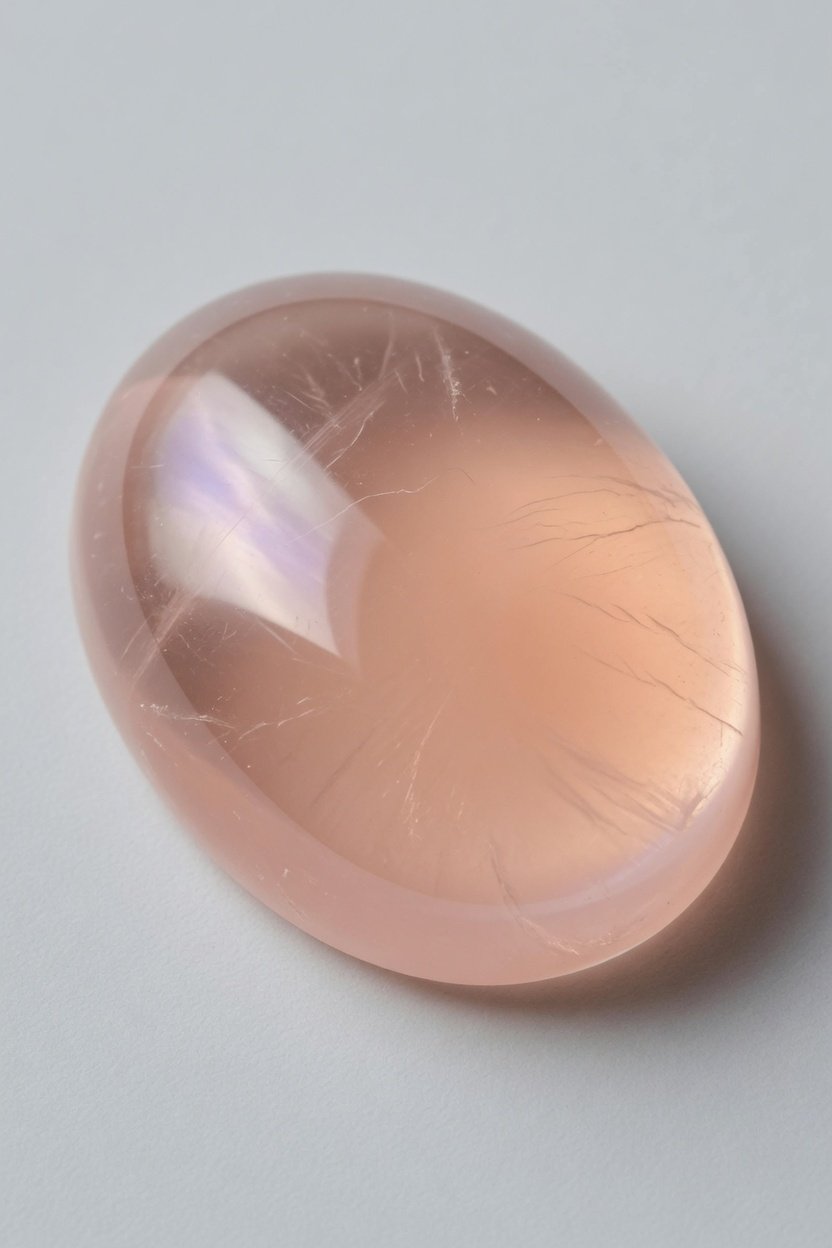
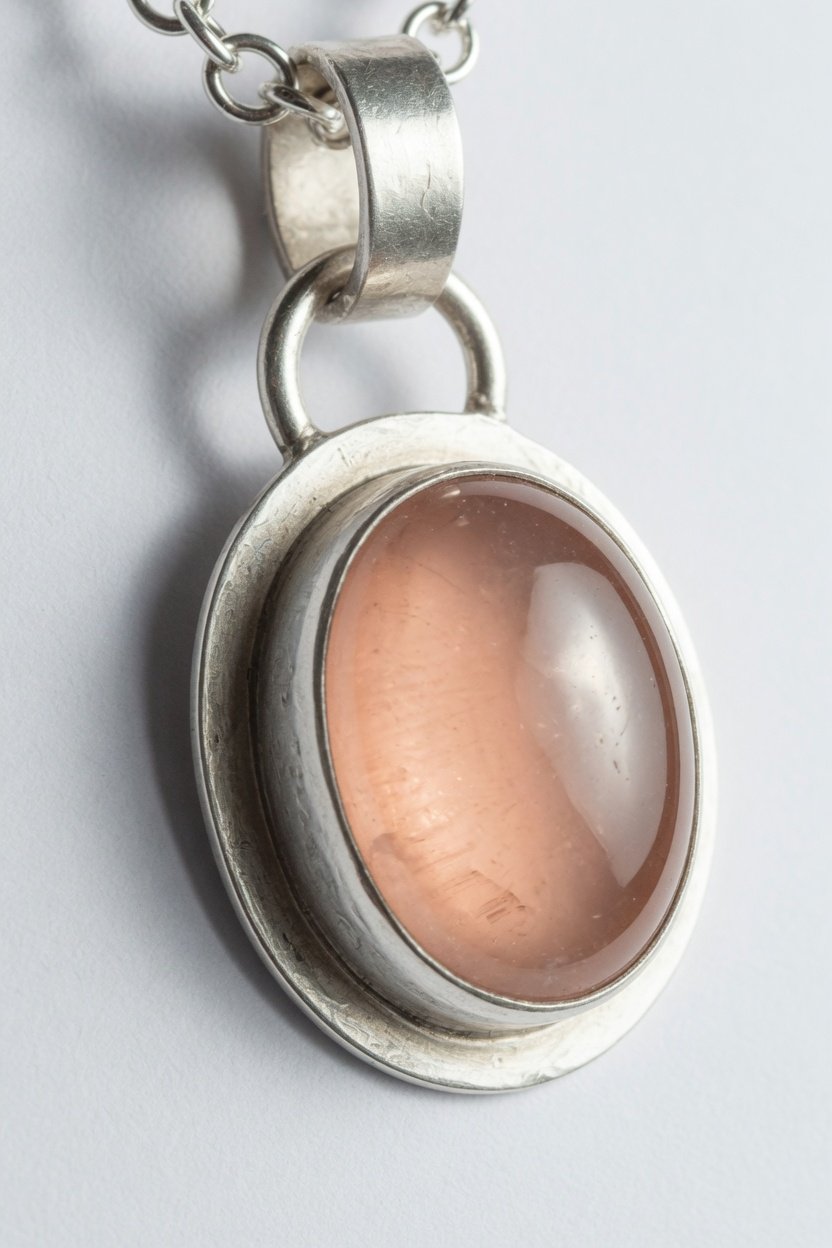
In Jewelry and Silversmithing Silversmiths favor morganite for both rings and pendants because its hardness supports secure settings without rapid wear. Faceted stones catch light brilliantly in prong or bezel mounts, while cabochons lend a softer, moon-like glow when bezel-set. Always complete all soldering and torch work before placing the stone to protect its delicate color zoning. Daily-wear rings benefit from protective bezels, whereas pendants allow more open designs since they experience less impact.
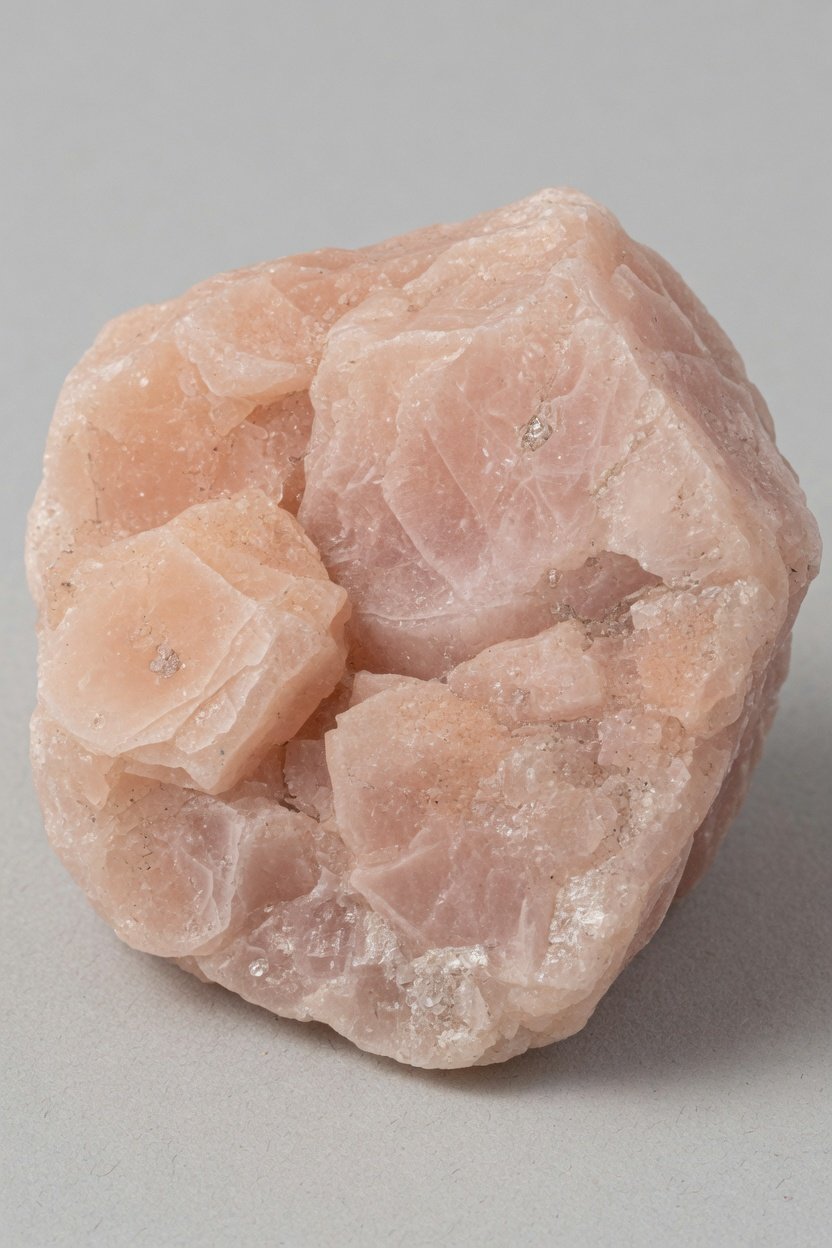
Identifying Morganite in the Field In rough form, morganite appears as elongated hexagonal prisms with a distinct pale pink to peach body color and vitreous surfaces. It lacks the strong pleochroism of some tourmalines and shows no cleavage, only conchoidal fracture. Field identification relies on crystal habit, color consistency, and association with other pegmatite minerals such as lepidolite or tourmaline. Laboratory confirmation uses refractive index readings around 1.57–1.59.
Quick Facts
Common names: Pink Beryl, Rose Beryl
Chemical formula: Be₃Al₂Si₆O₁₈
Mohs hardness: 7.5–8
Specific gravity: 2.71–2.90
Color: Pink to peach, salmon
Crystal system: Hexagonal
Luster: Vitreous
Transparency: Transparent to translucent
Common cuts: Faceted oval, cushion, emerald; occasional cabochon
Common treatments: Heat treatment to enhance pink
Best silver setting: Classic Silver Bezel Pendant
Birthstone month (if any): None
Main sources: Brazil, Madagascar, United States, Afghanistan
Meaning & Intentions
EMOTIONAL ARMOR
Morganite strengthens the heart’s natural defenses by encouraging calm responses during conflict and helping release stored resentment. Wearers place the stone near the chest in pendants so its steady energy can remind them to maintain boundaries while remaining open to genuine connection.
Chakra: Heart — center of compassion and balanced relationships HEART VISION
The stone sharpens intuitive sight into emotional patterns, allowing clearer recognition of both self-deception and the true intentions of others. Practitioners keep a small faceted piece on an altar or desk to support honest self-reflection during journaling or meditation sessions.
Chakra: Heart — center of compassion and balanced relationships COMMITMENT SEAL
Morganite reinforces promises made to oneself or others by anchoring gentle resolve and discouraging impulsive reversals. Rings set with the stone serve as daily tactile reminders of chosen paths and the quiet strength required to honor them over time.
Chakra: Heart — center of compassion and balanced relationships Affirmation: "My heart remains steady and open." AT A GLANCE: Chakra: Heart — center of compassion and balanced relationships Element: Water Energy: Receptive Zodiac: Taurus Planet: Venus Affirmation: "My heart remains steady and open."
Related Stones
Explore more stones from the Gemstone Library: Chrysoprase · Rhodochrosite · Rhodonite