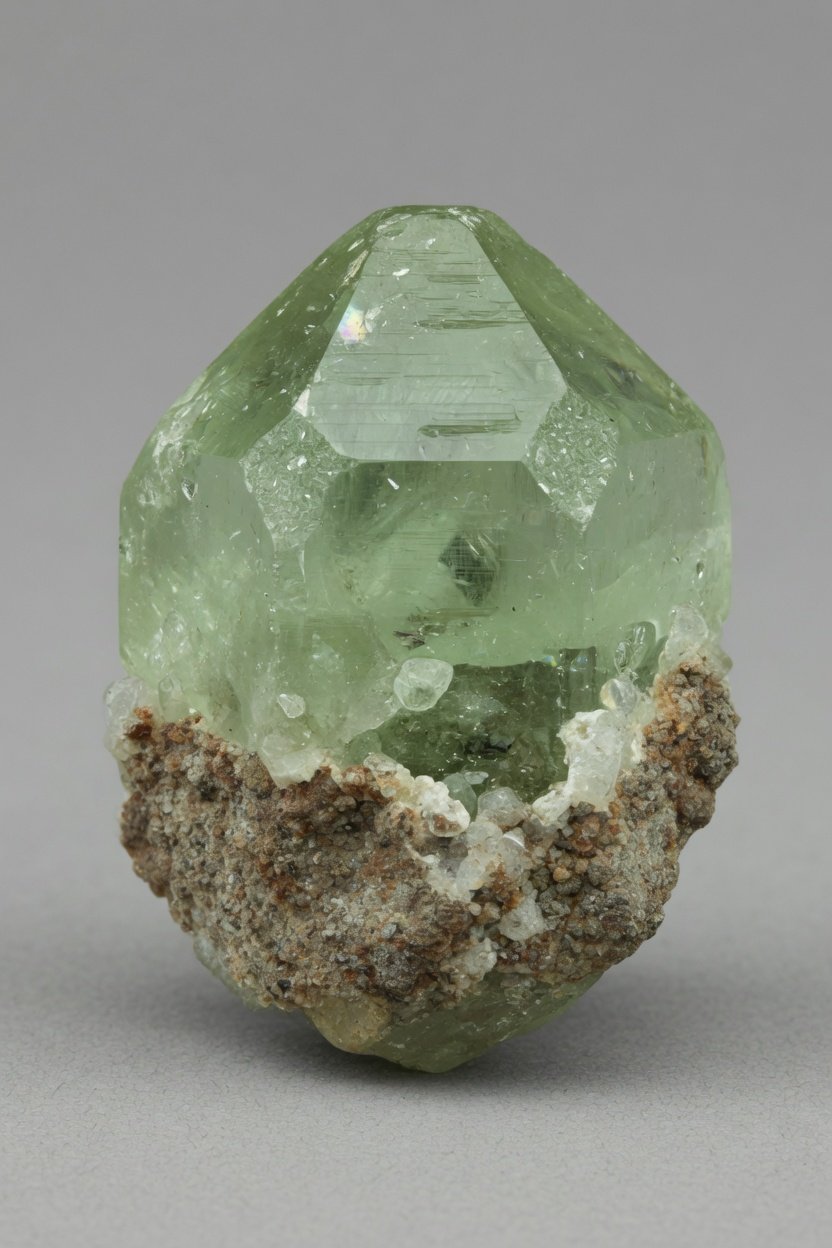
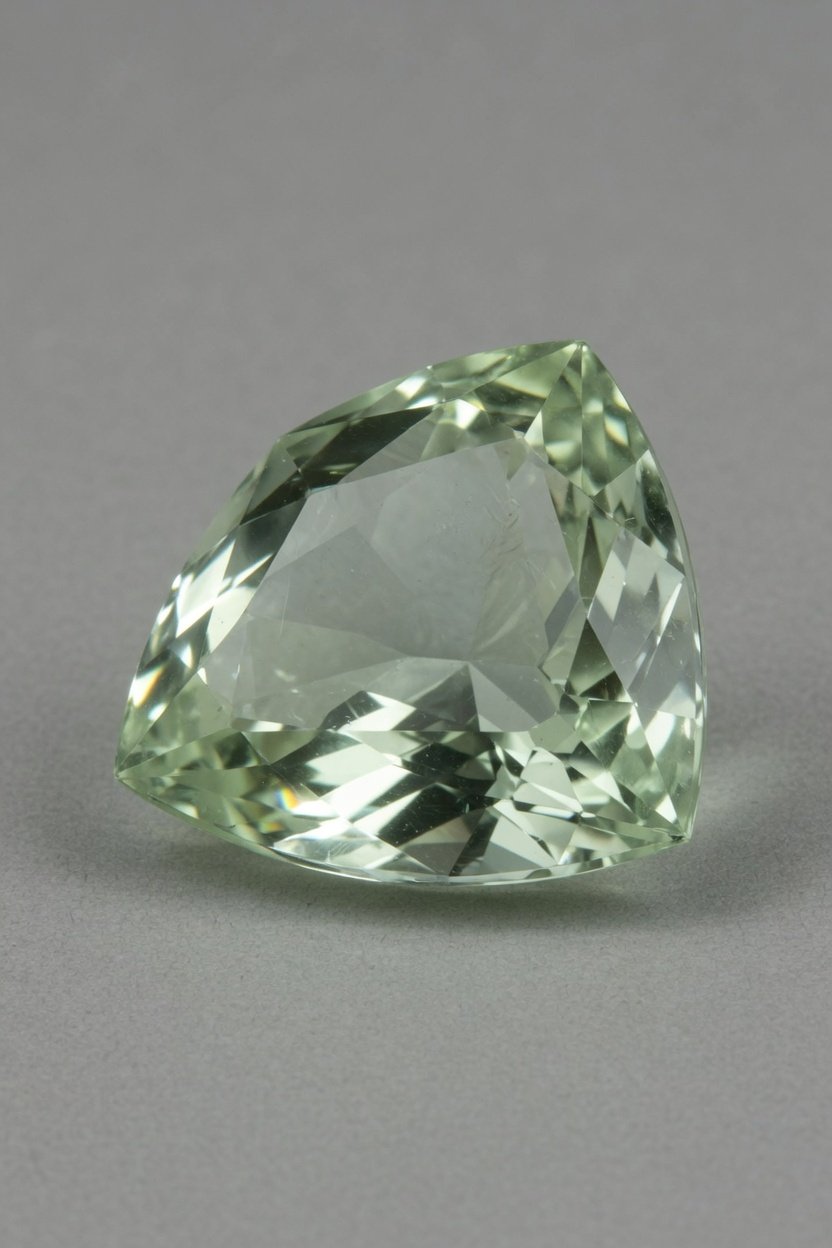
Iolite draws the eye with its remarkable pleochroism, shifting from deep indigo to violet and even pale yellow depending on the angle of light. This optical property has made it a favorite among jewelers seeking stones that reveal hidden depths when turned in the hand. Its cool, watery tones evoke twilight skies over distant mountains.
Physical Properties Iolite registers 7 to 7.5 on the Mohs scale, giving it respectable durability for everyday wear yet remaining vulnerable along its distinct cleavage planes. Specific gravity ranges from 2.53 to 2.78, and the orthorhombic crystals display a vitreous luster when properly polished. The stone is transparent to translucent, with iron content producing the signature blue-violet body color. Because heat can stress the cleavage and alter color zoning, the gem must always be set after all soldering and polishing steps are complete. Avoid ultrasonic cleaners and sudden temperature changes to prevent internal fractures.
Origin and Sourcing Primary deposits occur in Madagascar’s pegmatites, India’s highland regions, Sri Lanka’s alluvial gravels, and parts of Canada and Norway. Miners extract the mineral from hard-rock veins where it forms alongside quartz and feldspar. Rough material is carefully cobbed on site to preserve the best color zones before export to cutting centers. Ethical sourcing programs now track parcels from these regions to ensure fair labor practices and minimal environmental impact.
History and Significance Vikings may have used thin slices of iolite as polarizing filters to locate the sun on overcast days, earning it the nickname “Viking’s compass stone.” Ancient texts from India describe similar blue gems as aids for navigation and inner vision. In medieval Europe the mineral was occasionally confused with sapphire, leading to its alternate name “water sapphire.” Its lore centers on clarity of perception and safe passage through uncertain conditions.
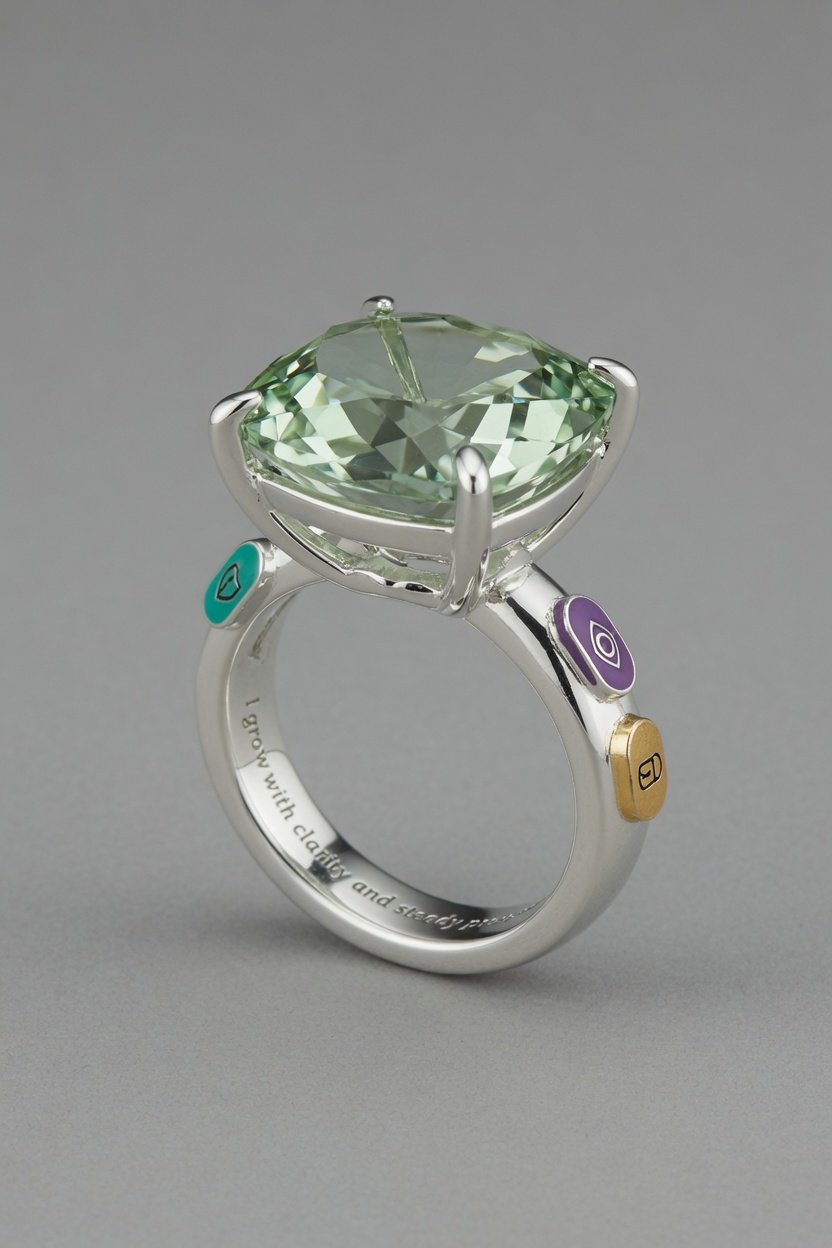
In Jewelry and Silversmithing Silversmiths favor iolite for its ability to display three distinct colors when properly oriented during faceting. The stone is customarily set after all soldering to protect its cleavage and color stability. Bezel settings offer the greatest security while allowing light to enter from multiple angles. Care cautions include removing iolite jewelry before heavy work or exposure to acids that could etch the surface. When set correctly, the gem’s pleochroism creates a living play of color that complements both minimalist and ornate silver designs.
Identifying Iolite in the Field Field identification relies on the strong pleochroism visible even in rough fragments: rotate the specimen under daylight and note the rapid shift between blue, violet, and yellow. Hardness tests distinguish it from softer blue minerals, while its lack of fluorescence separates it from many synthetic simulants. Conchoidal fracture and the characteristic greasy feel on weathered surfaces further confirm identity before laboratory verification.
Quick Facts
Common names: Iolite, Cordierite, Water Sapphire
Chemical formula: Mg₂Al₄Si₅O₁₈
Mohs hardness: 7-7.5
Specific gravity: 2.53-2.78
Color: Blue-violet with strong pleochroism
Crystal system: Orthorhombic
Luster: Vitreous
Transparency: Transparent to translucent
Common cuts: Faceted
Common treatments: None
Best silver setting: Contemporary Prong Ring
Birthstone month (if any): None
Main sources: Madagascar, India, Sri Lanka, Canada
Meaning & Intentions
VISION
Iolite sharpens inner sight during meditation and decision-making, helping the wearer perceive patterns and possibilities that remain hidden to ordinary vision. Silversmiths set the stone after soldering so its pleochroic colors stay vivid and undamaged by heat.
Chakra: Third Eye — center of insight and intuition CLARITY
The gem’s shifting hues remind the user to examine situations from multiple angles, dissolving confusion and revealing truthful perspectives in both personal and creative endeavors.
Chakra: Third Eye — center of insight and intuition PROTECTION
Worn as a talisman, iolite is believed to guard travelers and explorers against disorientation, whether on physical journeys or during times of emotional uncertainty.
Chakra: Third Eye — center of insight and intuition Affirmation: "I see clearly from every angle." AT A GLANCE: Chakra: Third Eye — center of insight and intuition Element: Air Energy: Receptive Zodiac: Sagittarius, Taurus Planet: Venus Affirmation: "I see clearly from every angle."
Related Stones
Explore more stones from the Gemstone Library: Azurite · Fluorite · Chrysoprase