Danburite emerges from the earth as a clear messenger of light, its prismatic crystals catching and refracting sunlight into soft, silvery flashes that hint at inner depths. Formed deep within pegmatite veins, this calcium borosilicate offers gem cutters a rare combination of hardness and brilliance that rivals more famous stones yet remains quietly distinctive in finished pieces. Silversmiths prize its optical clarity when set after all soldering is complete, allowing the stone to rest untouched by heat that could cloud its natural transparency.
Physical Properties Danburite registers 7 on the Mohs scale, giving it respectable durability for everyday wear while remaining softer than corundum. Its specific gravity hovers near 3.0, and the orthorhombic crystals display a vitreous luster that intensifies once faceted. The stone is typically transparent to translucent, with perfect cleavage in one direction that demands careful orientation during cutting. Care cautions include avoiding ultrasonic cleaners and sudden temperature changes that might exploit those cleavage planes; store pieces separately to prevent abrasion against harder gems.
Origin and Sourcing Primary deposits occur in the rugged pegmatites of Baja California, Mexico, where miners extract prismatic crystals from hard-rock veins using traditional adit methods. Additional sources include the Mogok region of Myanmar, the Ural Mountains of Russia, and scattered localities in the United States and Tanzania. Rough material is usually hand-sorted at the mine face before being sent to lapidaries who evaluate each crystal for color zoning and clarity. Ethical sourcing emphasizes small-scale operations that minimize environmental impact on these remote mountain sites.
History and Significance First described in 1839 from specimens found near Danbury, Connecticut, danburite quickly attracted mineral collectors for its resemblance to topaz yet distinct chemical identity. In the twentieth century it gained favor among jewelers seeking colorless stones that could substitute for diamond in more affordable designs. Its gentle energy has long been associated with clarity of thought and emotional steadiness, qualities that continue to draw modern wearers who value understated elegance over flash.
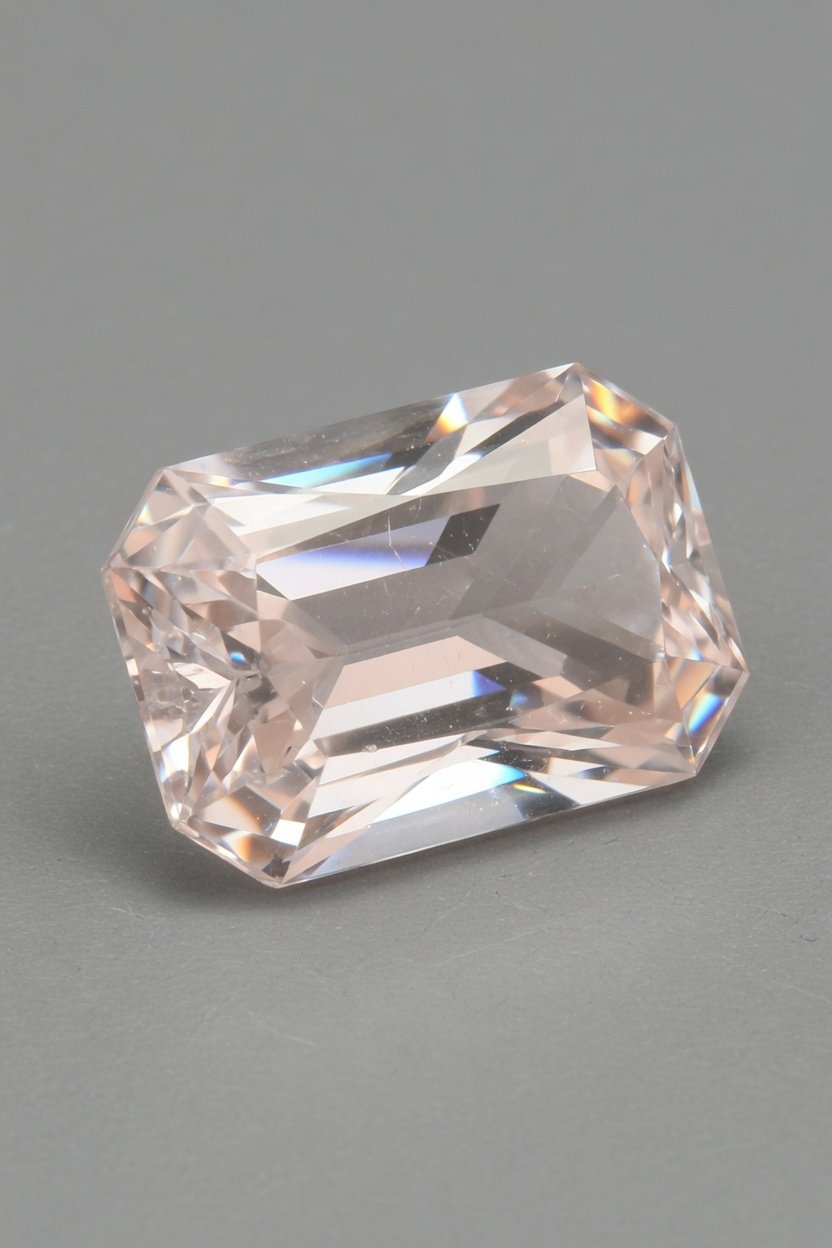
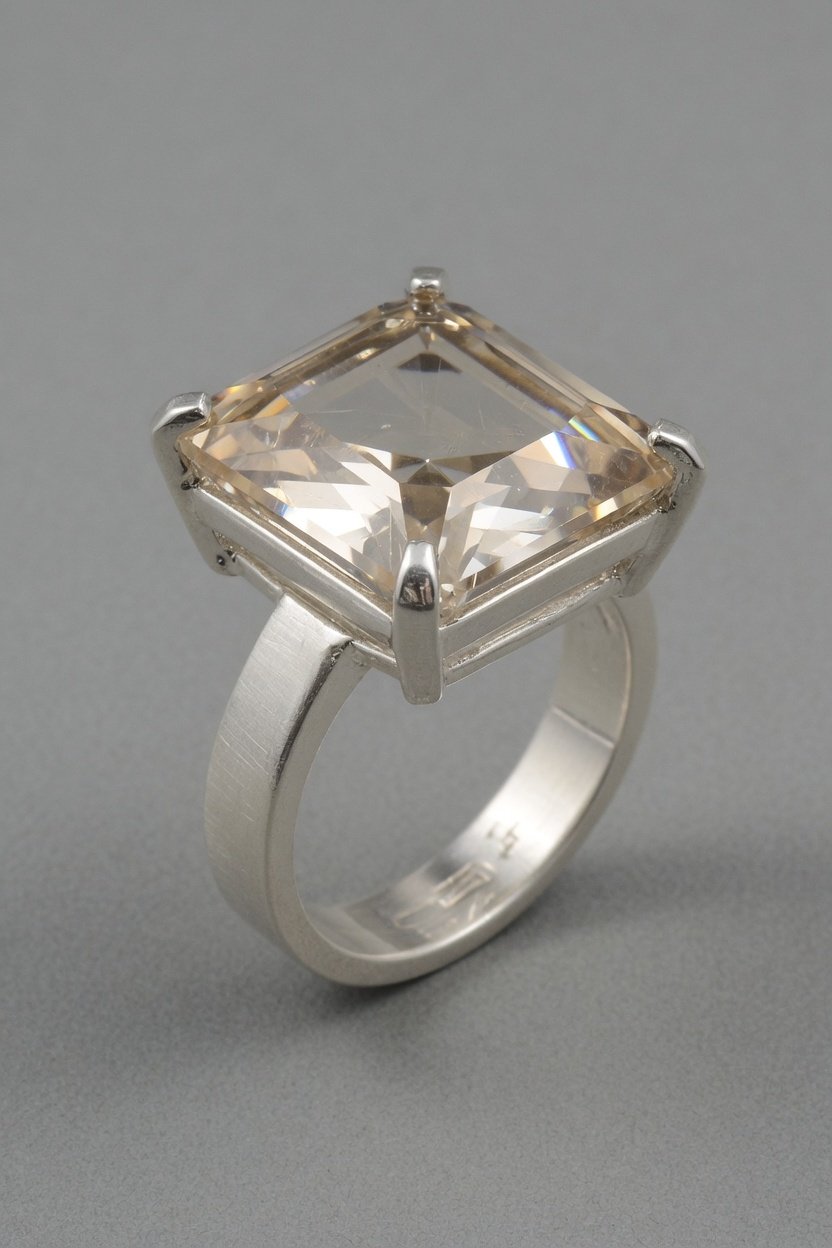
In Jewelry and Silversmithing Lapidaries favor brilliant or emerald cuts that maximize danburite’s refractive index and produce lively scintillation. Once cut, the stone is set only after all soldering, polishing, and cleaning steps are finished so that no heat or chemicals contact its surface. Sterling silver prong settings allow maximum light return, while bezels offer protection for larger stones. Wearers should remove danburite jewelry before household chores or exposure to strong detergents, and periodic gentle wiping with a soft cloth preserves its vitreous luster for decades.
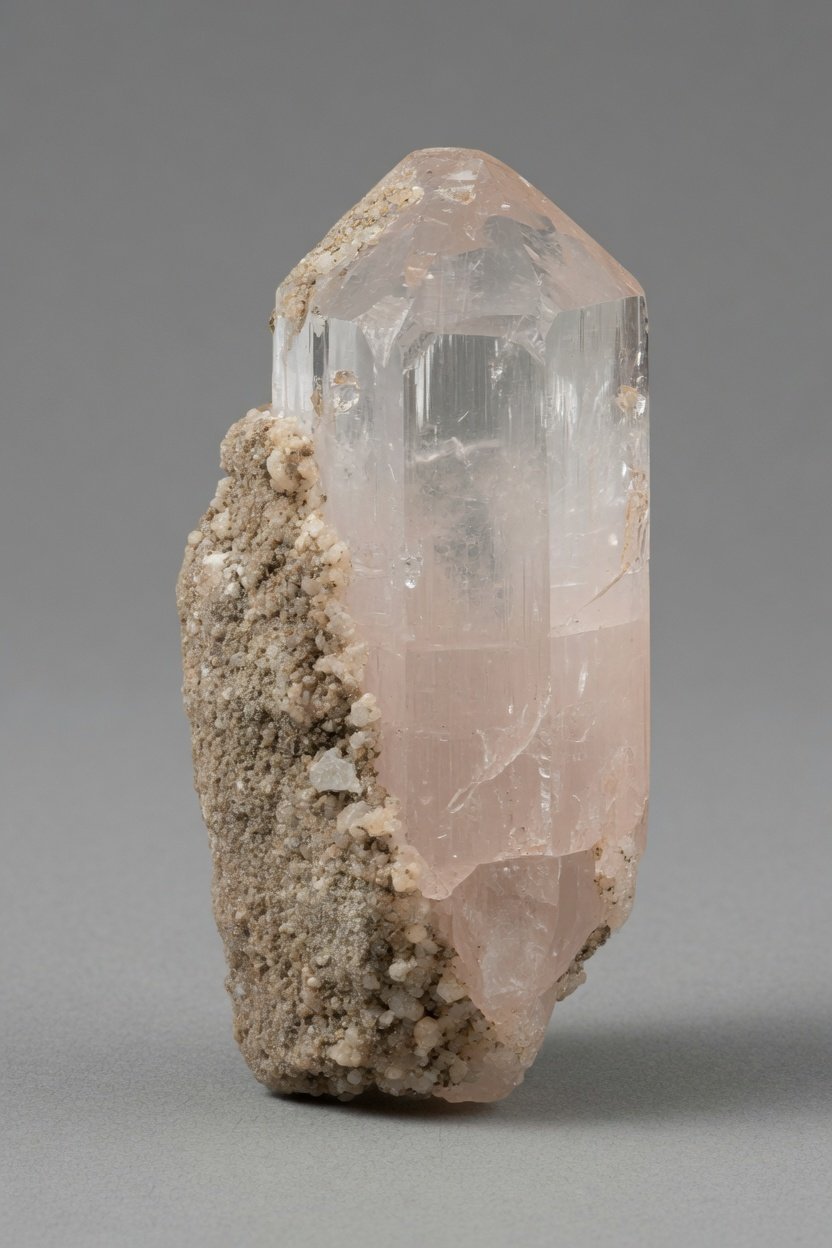
Identifying Danburite in the Field In matrix, danburite appears as elongated, glassy prisms often striated lengthwise and associated with quartz or feldspar. Its hardness can be tested with a steel point, which will not scratch the crystal faces, while its lack of fluorescence under UV light distinguishes it from similar-looking topaz. Collectors note the stone’s tendency to form in clusters within vugs, sometimes coated with a thin white crust that must be removed before cutting. Accurate field identification prevents costly mistakes when rough is later evaluated for gem potential.
Quick Facts
Common names: Danburite
Chemical formula: CaB2Si2O8
Mohs hardness: 7
Specific gravity: 3.0
Color: Colorless, white, pale pink, yellow
Crystal system: Orthorhombic
Luster: Vitreous
Transparency: Transparent to translucent
Common cuts: Faceted
Common treatments: None
Best silver setting: Prong
Birthstone month (if any): None
Main sources: Mexico, Myanmar, Russia, USA
Meaning & Intentions
CLARITY
Danburite sharpens mental focus and dispels confusion, allowing wearers to perceive situations with calm precision. Silversmiths set the faceted stone in open prongs so light travels cleanly through the crystal, mirroring the intention of unobstructed thought during daily wear.
Chakra: Crown — connection to higher awareness INSIGHT
The stone’s transparency encourages honest self-examination and intuitive understanding of hidden patterns. When placed in a pendant resting near the heart, danburite supports quiet reflection that reveals underlying truths without emotional turbulence.
Chakra: Third Eye — inner vision and perception STABILITY
Danburite anchors scattered energy and promotes steady emotional grounding during times of change. Its durable crystal structure serves as a tactile reminder that clarity and resilience can coexist in one’s personal foundation.
Chakra: Root — security and presence Affirmation: "I see clearly and stand steady." AT A GLANCE: Chakra: Crown Element: Air Energy: Receptive Zodiac: Leo Planet: Venus Affirmation: "I see clearly and stand steady."
Related Stones
Explore more stones from the Gemstone Library: Diamond · Fluorite · Kunzite