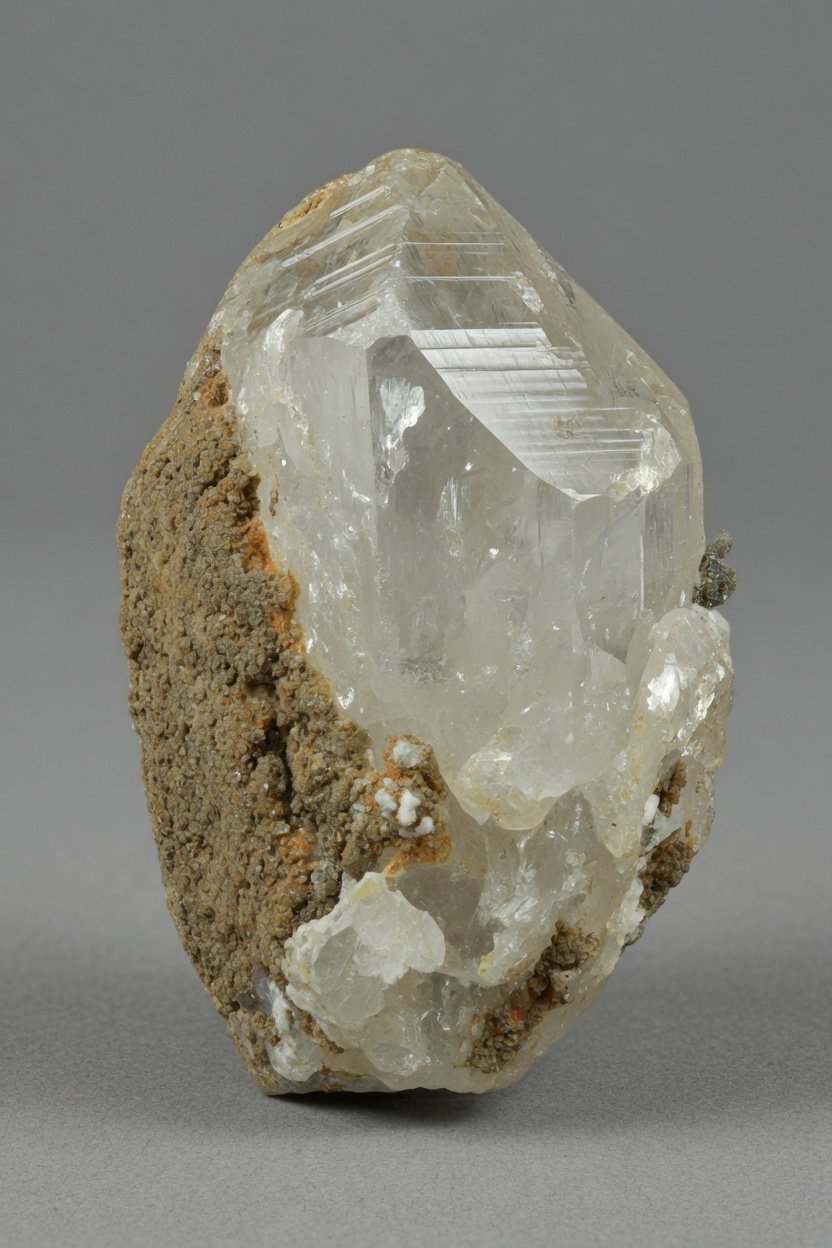
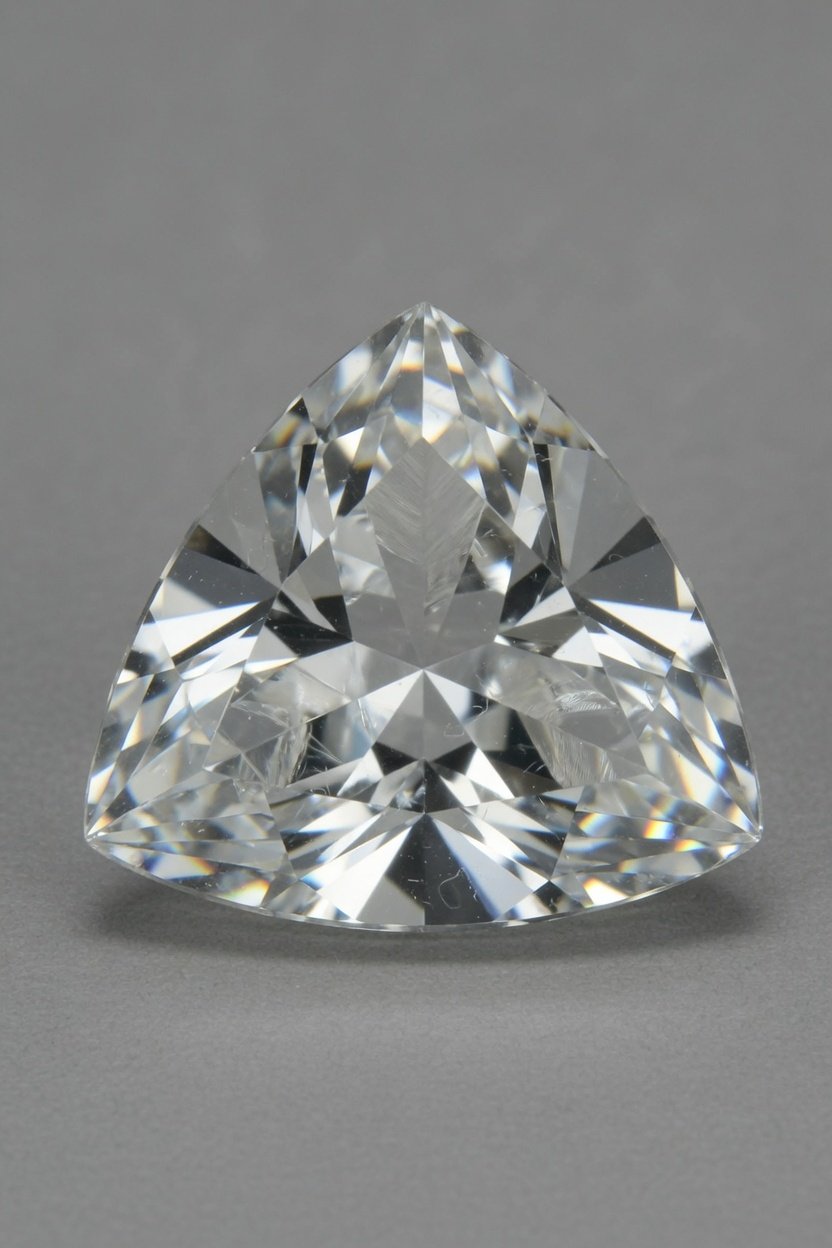
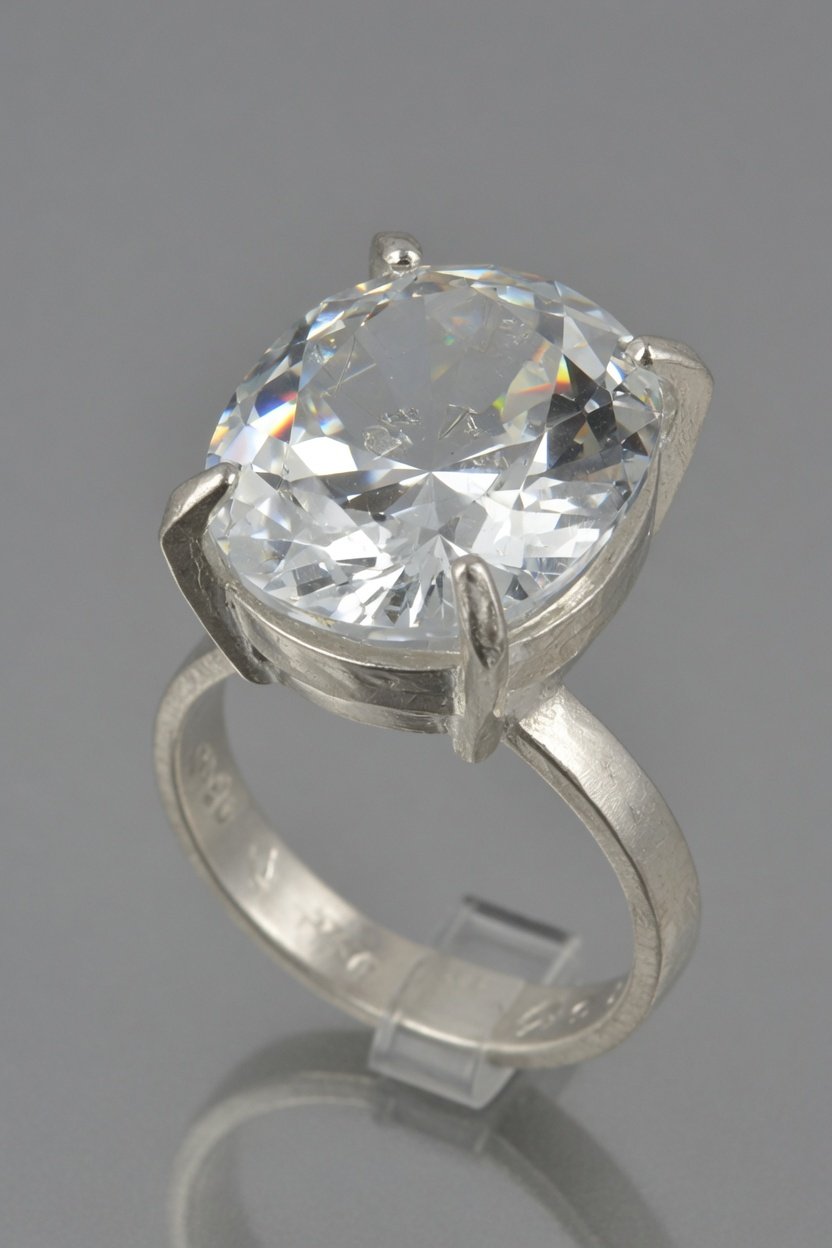
Phenakite enters the jeweler’s bench as a study in deceptive simplicity, a beryllium silicate that flashes with diamond-like fire yet remains almost invisible until light strikes its precise facets. Its rarity and extreme hardness have long made it a quiet favorite among lapidaries who prize stones that reward careful cutting with exceptional brilliance. Once set, the gem becomes a permanent, low-maintenance accent that carries both geological history and optical performance.
Physical Properties Phenakite registers 7.5–8 on the Mohs scale and possesses a specific gravity near 2.95, giving it substantial heft for its size. The mineral forms in the trigonal system, producing prismatic or tabular crystals with a bright vitreous luster and near-perfect transparency. Color ranges from colorless to faintly yellow, pink, or brown, though most gem material is water-clear. Because phenakite is not heat-sensitive, it tolerates standard soldering temperatures without color change or fracturing; nevertheless, the finished piece should be set only after all heat work is complete and should be cleaned with mild soap and a soft brush rather than ultrasonic or steam methods that risk dislodging delicate prongs.
Origin and Sourcing Primary deposits occur in Russia’s Ural Mountains, Brazil’s Minas Gerais region, Madagascar’s pegmatites, and select Colorado localities in the United States. The mineral forms in granite pegmatites and alpine-cleft environments where beryllium-rich fluids interact with silica. Most commercial gem rough is recovered through hard-rock mining that follows narrow veins into the host granite.
History and Significance Known since the early nineteenth century, phenakite was first described from the Ural Mountains and quickly recognized for its resemblance to quartz yet superior brilliance. Russian cutters used it in imperial jewelry, while twentieth-century collectors prized colorless crystals for their rarity. The name, derived from the Greek for “deceiver,” reflects how easily it was mistaken for other species before modern testing.
In Jewelry and Silversmithing Lapidaries orient phenakite to maximize the strong dispersion that produces its signature sparkle. Because the stone is brittle along certain cleavage planes, cutters avoid placing facet junctions directly on those planes. Once faceted, the gem is set after all soldering operations to prevent thermal shock to surrounding metal. Its high refractive index allows even small stones to perform well in low-profile contemporary prong settings that keep the pavilion protected while allowing maximum light return.
Identifying Phenakite in the Field In hand specimen, phenakite shows a hardness greater than quartz and a lack of the striations typical of topaz. Its specific gravity is noticeably higher than beryl, and it lacks the pleochroism of tourmaline. Under magnification, clean crystals display sharp, glassy faces without the liquid inclusions common in quartz.
Quick Facts
Common names: Phenakite, Phenacite
Chemical formula: Be₂SiO₄
Mohs hardness: 7.5–8
Specific gravity: 2.90–3.00
Color: Colorless, white, yellow, pink, brown
Crystal system: Trigonal
Luster: Vitreous
Transparency: Transparent
Common cuts: Faceted (round, oval, cushion)
Common treatments: None
Best silver setting: Contemporary Prong Ring
Birthstone month (if any): None
Main sources: Russia, Brazil, Madagascar, USA
Meaning & Intentions
CLARITY
Phenakite’s transparent lattice is traditionally carried when mental fog needs clearing. Silversmiths cut the stone to emphasize clean light paths that mirror the wearer’s desire for unobstructed thought; the resulting gem is believed to help separate relevant facts from emotional noise during decision-making.
Chakra: Third Eye — supports focused perception and insight VISION
The stone’s high dispersion is used in practices that seek sharper foresight. When set as a single focal point in silver, phenakite is said to amplify inner imagery and make distant goals feel optically nearer, encouraging steady progress toward long-term creative or professional aims.
Chakra: Crown — opens awareness to broader patterns BOUNDARIES
Phenakite’s hardness is invoked when personal limits require reinforcement. Placed in a protective silver frame, the gem is thought to help the wearer maintain energetic and emotional boundaries without becoming rigid, offering quiet strength during periods of transition or external pressure.
Chakra: Root — grounds resolve and self-protection Affirmation: "I see clearly and hold my center." AT A GLANCE: Chakra: Third Eye Element: Air Energy: Amplifying Zodiac: Gemini Planet: Mercury Affirmation: "I see clearly and hold my center."
Related Stones
Explore more stones from the Gemstone Library: Fluorite · Scapolite · Iolite