Aventurine draws the eye with its quiet shimmer, a feldspar-flecked quartz that catches light in soft, drifting highlights rather than sharp flashes. Formed deep in the earth yet finished by patient human hands, it has long rewarded silversmiths who understand its gentle translucence and the way its inclusions create depth. In the workshop it becomes a steady companion for pieces meant to be worn daily and passed forward.
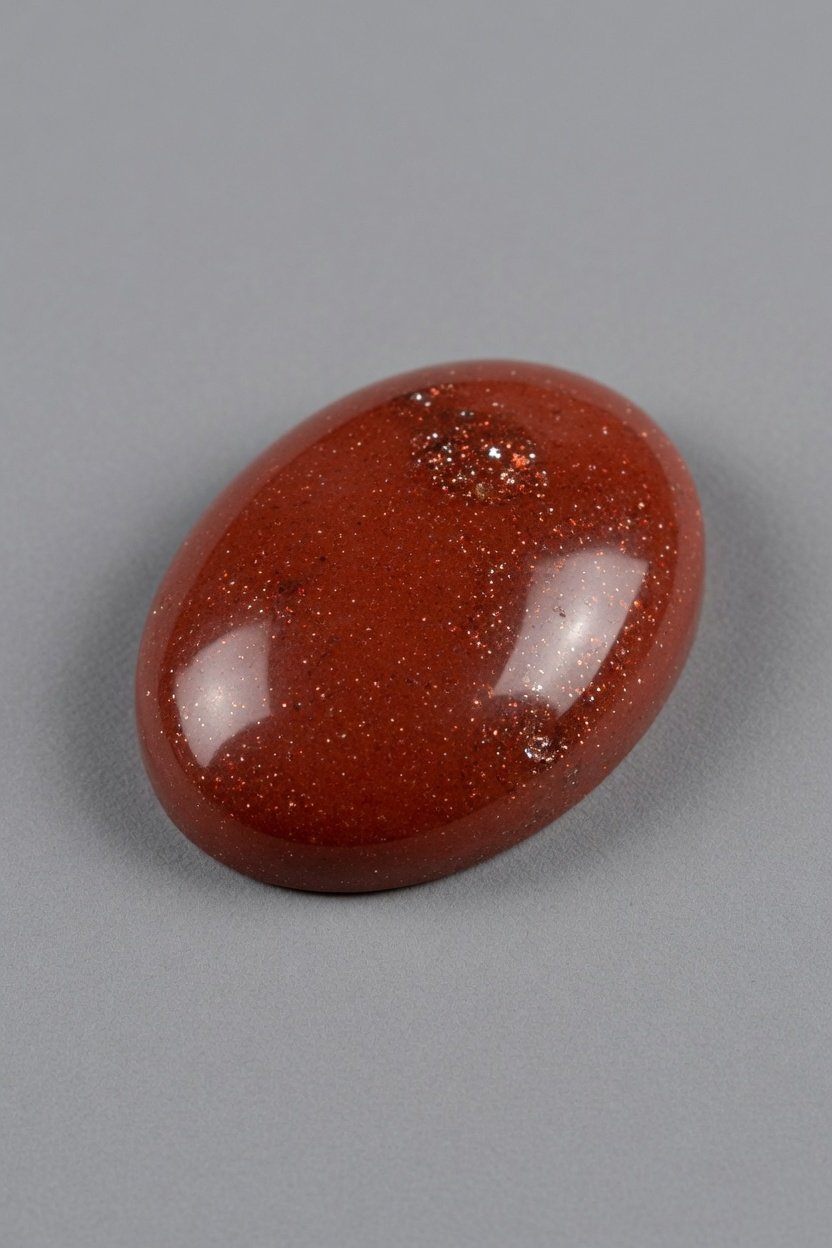
Physical Properties Aventurine is a microcrystalline variety of quartz whose visual character comes from evenly distributed inclusions of mica, hematite, or other minerals. These platelets produce a soft, rolling light effect known as aventurescence. Hard enough for everyday wear yet not so brittle that minor knocks cause damage, the stone takes a high polish that makes the inclusions appear suspended just beneath the surface. Because heat can alter the mica or cause internal stress, the stone is always set after all soldering and polishing steps are complete. Avoid prolonged exposure to ultrasonic cleaners or sudden temperature changes that could loosen inclusions.
Origin and Sourcing Most commercial green aventurine is mined in India, particularly in the states of Karnataka and Tamil Nadu, where pegmatites and quartz veins weather into accessible deposits. Additional sources include Brazil, Russia, and parts of China. Rough is typically collected from alluvial gravels or shallow open pits rather than deep hard-rock mining. Silversmithing schools often purchase pre-sorted parcels that have already been checked for color consistency and inclusion density so students can focus on design and setting rather than culling material.
History and Significance Records of aventurine use stretch back to ancient China, where the stone was carved into seals and ritual objects. In Europe during the seventeenth century, Venetian glassmakers accidentally created a sparkling glass they named “avventurina,” later applied to the natural quartz whose appearance it mimicked. Across cultures the stone has been valued for its steady, unflashy presence rather than rarity, appearing in amulets, worry stones, and later in Victorian mourning jewelry where its calm green tone suited quiet remembrance.
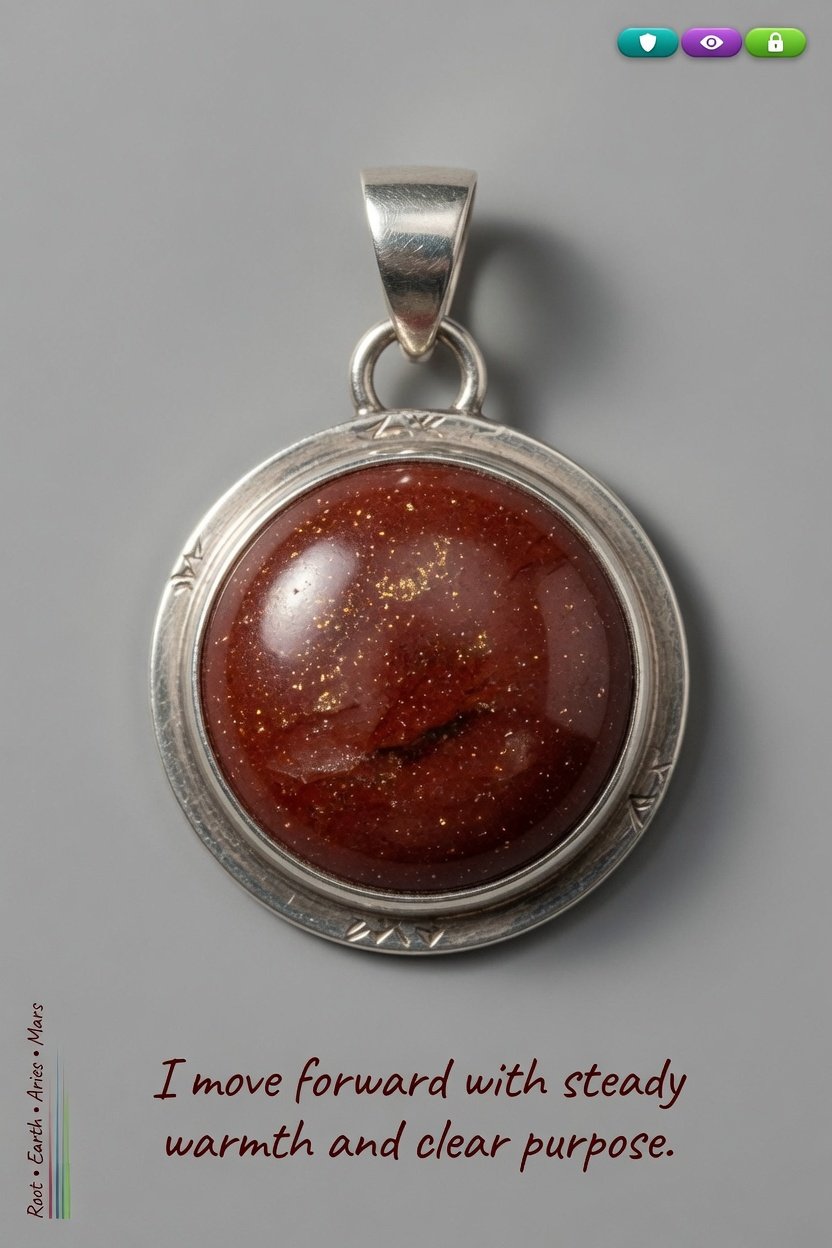
In Jewelry and Silversmithing Its modest hardness and lack of cleavage make aventurine forgiving for cabochon cutting and bezel work. Silversmiths favor low, smooth bezels that protect the edges while allowing light to graze the surface. The stone is always set after all soldering is finished and the piece has been pickled and polished, preventing heat damage to the mica inclusions. A light coat of renaissance wax after setting helps preserve the polish without altering color. Care cautions include removing aventurine jewelry before heavy manual labor and storing pieces separately so harder stones do not scratch the surface.
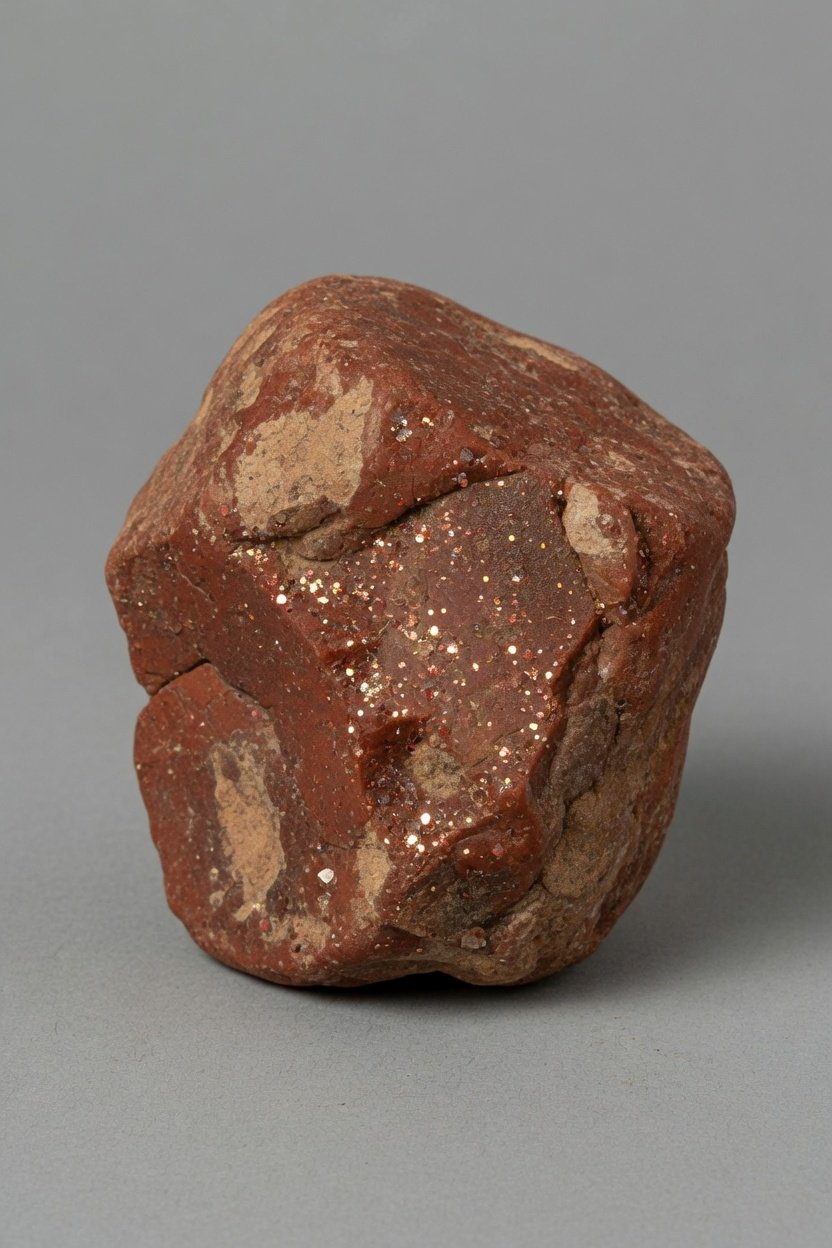
Identifying Aventurine in the Field In rough form aventurine shows a sugary quartz texture interrupted by tiny reflective specks. Broken surfaces reveal the same inclusions throughout rather than concentrated veins. When polished, a bright band of light sweeps across the golden or silvery planes as the stone is rotated under a single light source. The effect remains visible even in translucent pieces and does not change with magnification the way chatoyancy in other stones does.
Quick Facts
Common names: Green Aventurine, Aventurine Quartz
Chemical formula: SiO₂
Mohs hardness: 7
Specific gravity: 2.65
Color: Green with golden or silvery sparkles; also blue, red, orange
Crystal system: Trigonal
Luster: Vitreous to dull
Transparency: Translucent to opaque
Common cuts: Cabochon, beads, freeform
Common treatments: None
Best silver setting: Classic Silver Bezel Pendant
Birthstone month (if any): None
Main sources: India, Brazil, Russia
Meaning & Intentions
PROSPERITY
Aventurine is carried or worn to steady the mind toward opportunity and measured growth. Its calm green body and drifting light encourage daily focus on practical steps rather than fleeting excitement, making it a favorite talisman for artisans and traders who prefer consistent effort over sudden windfalls. The stone’s inclusions are said to anchor intention so that small actions accumulate into lasting results.
Chakra: Heart — balance and steady compassion CLARITY
When used in meditation or placed on a work surface, aventurine helps quiet mental static so decisions feel simpler. The stone’s gentle shimmer draws attention back to the present task, supporting students and makers who need sustained concentration without agitation. Many silversmiths keep a small polished piece near the bench to mark the start of focused work sessions.
Chakra: Third Eye — insight and calm perception GROUNDING
Aventurine’s solid quartz structure and quiet sparkle remind the wearer to remain present and embodied. It is often chosen during times of change to maintain a sense of inner steadiness while external circumstances shift. The stone’s weight in hand offers a tangible cue to return to practical action.
Chakra: Root — stability and presence Affirmation: "I welcome steady growth and clear purpose." AT A GLANCE: Chakra: Heart Element: Earth Energy: Receptive Zodiac: Taurus Planet: Venus Affirmation: "I welcome steady growth and clear purpose."
Video Transcript
From Indian hills comes aventurine, its golden flecks born in ancient quartz veins. Once carved into seals, its steady shimmer still steadies the hand that sets it. Learn to set this stone after soldering and shape your own silver future.
Related Stones
Explore more stones from the Gemstone Library: Agate · Jade · Tiger's Eye