Citrine catches the eye with its warm golden glow that seems to hold captured sunlight within clear crystal depths. Formed deep in the earth yet glowing like summer afternoons, this quartz variety invites both wonder and practical use in fine metalwork. Its presence turns ordinary designs into pieces that radiate quiet confidence.
Physical Properties Citrine belongs to the quartz family and registers a Mohs hardness of seven, making it durable enough for everyday jewelry yet requiring careful handling during fabrication. Specific gravity hovers near 2.65, and its trigonal crystals display vitreous luster with excellent transparency when free of inclusions. Color ranges from pale lemon to deep honey brown, often showing gentle zoning that becomes visible under strong light. Because citrine frequently originates as heat-treated amethyst, the stone must be set only after all soldering operations are complete; prolonged torch exposure can lighten or alter the hue. Avoid ultrasonic cleaners and store pieces away from prolonged direct sunlight to preserve the original tone.
Origin and Sourcing Major deposits occur in Brazil’s Rio Grande do Sul region, where large geodes yield the bulk of commercial material, alongside sources in Madagascar, Russia, and Zambia. Extraction typically involves open-pit methods or careful geode cracking that preserves crystal integrity. Rough is sorted on-site for color saturation before export to lapidaries who cut for maximum brilliance. Ethical sourcing programs now track Brazilian and Madagascan material to ensure fair labor practices throughout the supply chain.
History and Significance Ancient Romans carried citrine amulets believed to ward off the evil eye, while Victorian jewelers prized the stone for its resemblance to topaz at far lower cost. In the early twentieth century, heat treatment of amethyst became widespread, transforming abundant purple crystals into reliable golden gems that filled the market once occupied by scarcer natural citrine. Today the stone symbolizes prosperity yet retains its historic role as a talisman of clarity and resolve.
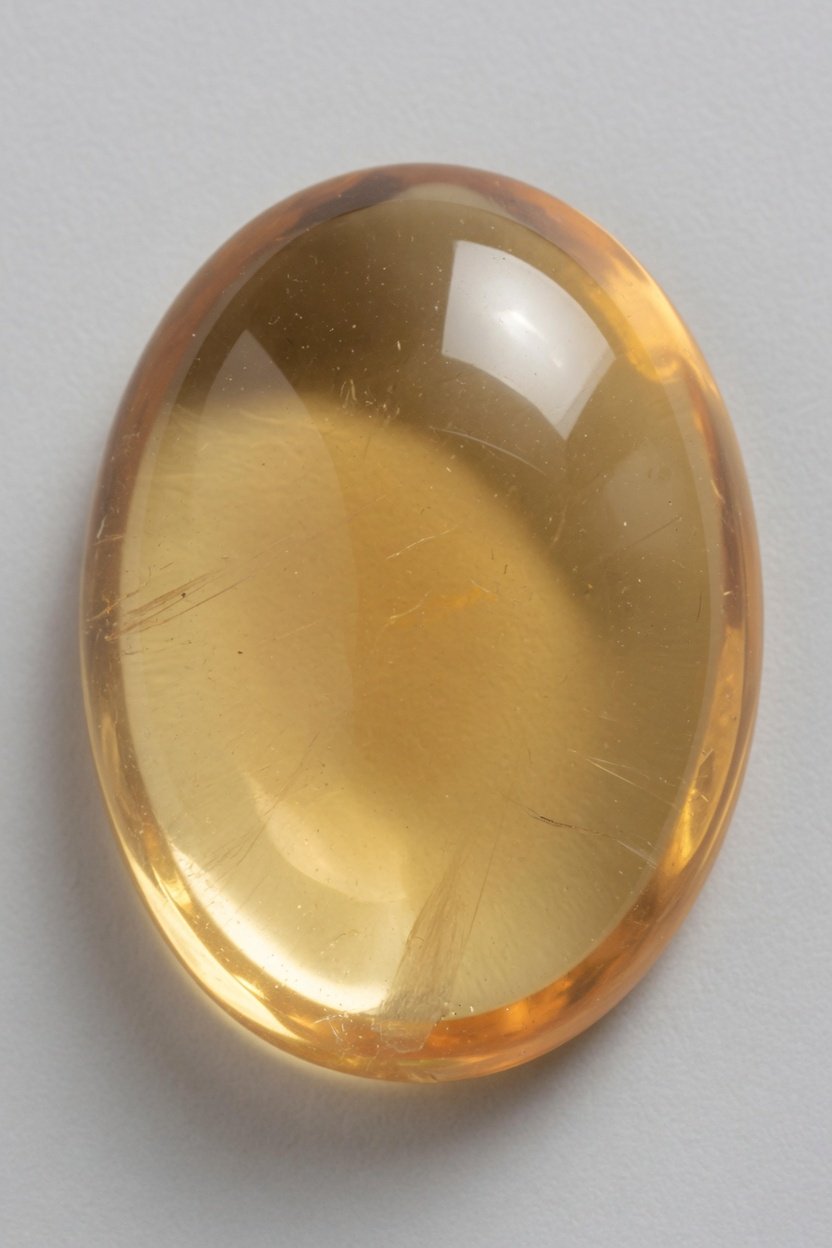
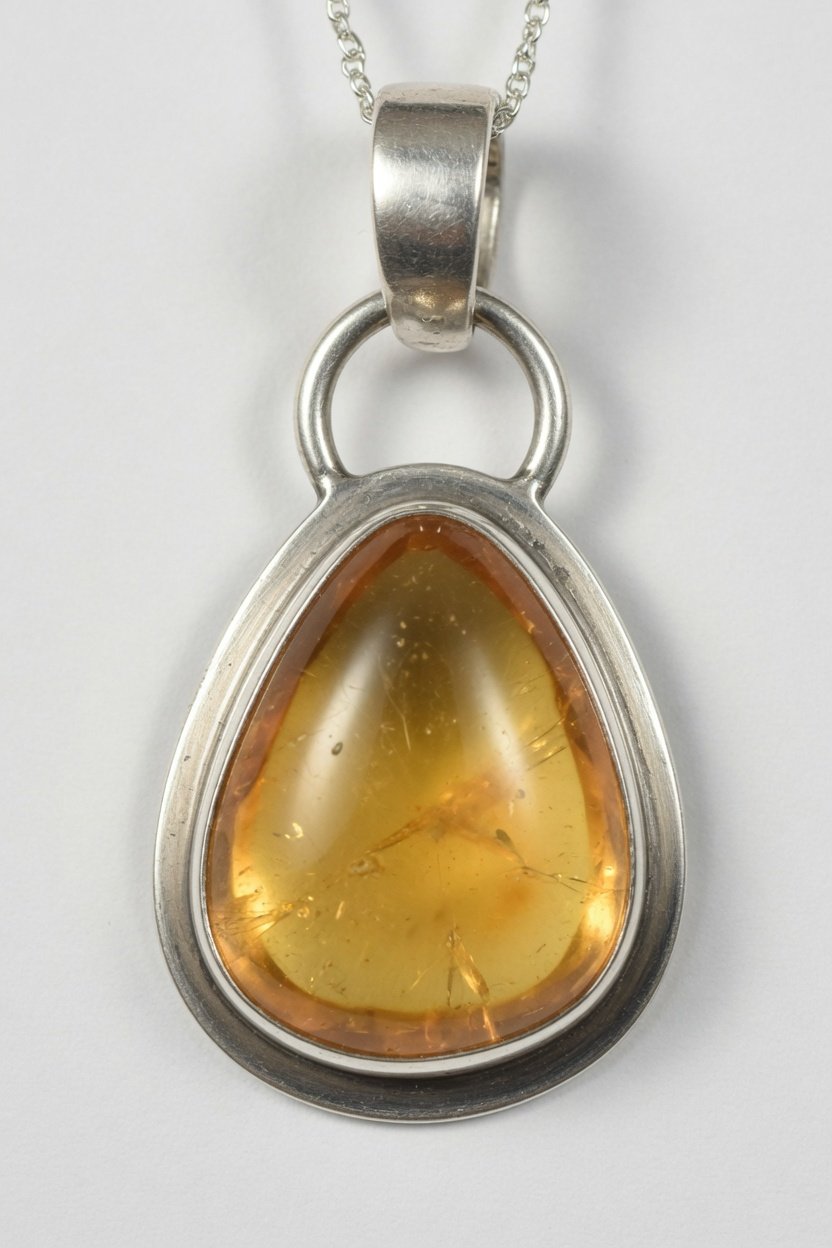
In Jewelry and Silversmithing Silversmiths favor citrine for both faceted and cabochon work, setting it in bezels that protect the girdle or in prongs that allow light to pass through the stone. Its hardness permits secure mounting in rings, yet daily wear in high-impact settings can produce abrasion on softer surrounding metals over decades. Always complete soldering and pickling before introducing the stone; afterward, a simple prong adjustment or bezel burnish secures it without further heat. Clean finished pieces with mild soap and a soft brush, then dry thoroughly.
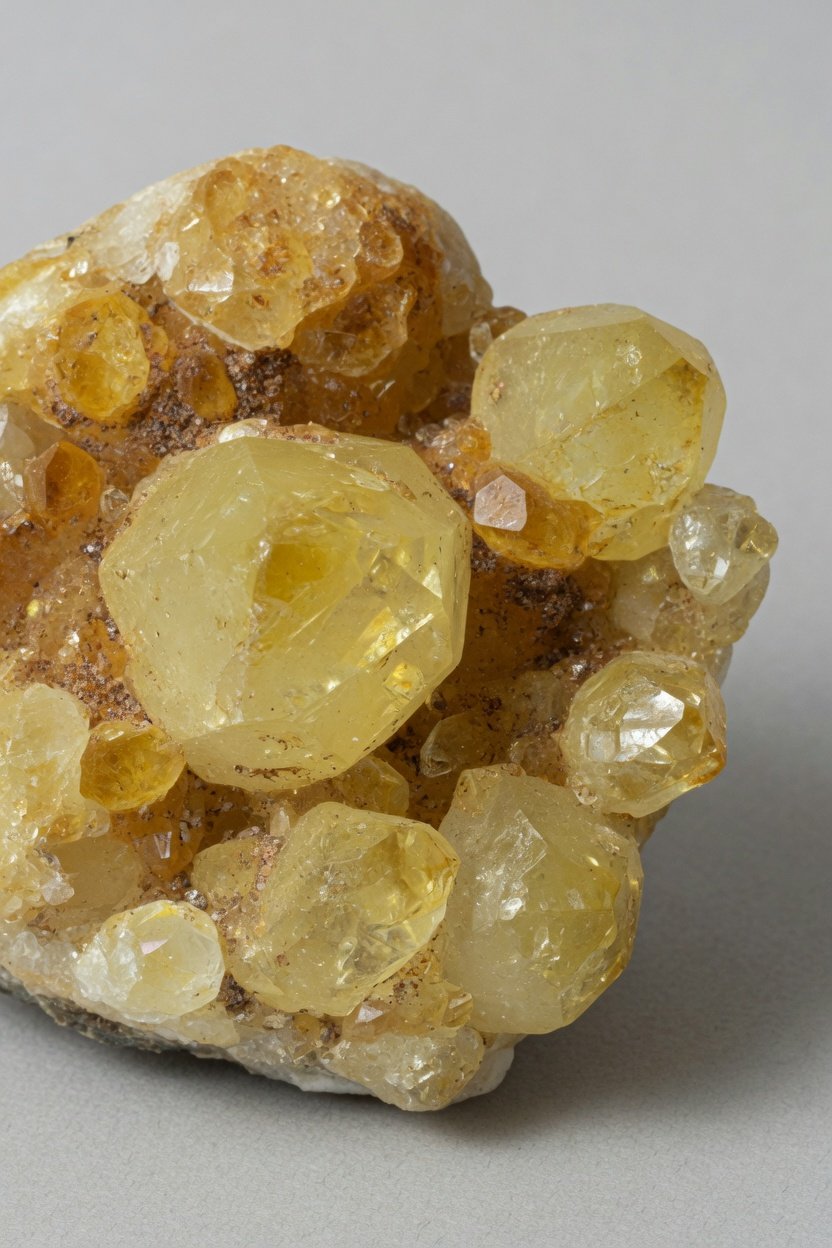
Identifying Citrine in the Field In rough form citrine appears as hexagonal prisms with glassy faces and a distinct yellow-orange body color that differs from the purple of amethyst or the colorless clarity of rock crystal. A quick check under transmitted light reveals subtle color banding rather than the milkiness of chalcedony. Natural citrine tends toward pale straw tones while treated stones show deeper reddish-orange hues concentrated at the tips; both varieties scratch glass and resist knife blades, confirming quartz identity.
Quick Facts
Common names: Citrine, Golden Quartz, Madeira Citrine
Chemical formula: SiO2
Mohs hardness: 7
Specific gravity: 2.65
Color: Yellow to golden-brown
Crystal system: Trigonal
Luster: Vitreous
Transparency: Transparent to translucent
Common cuts: Faceted oval, round brilliant, cabochon
Common treatments: Heat treatment of amethyst
Best silver setting: Classic Silver Bezel Pendant
Birthstone month (if any): November (alternate)
Main sources: Brazil, Madagascar, Russia, Zambia
Meaning & Intentions
ABUNDANCE
Citrine channels steady solar energy that supports focused intention toward prosperity and resourceful action. Wearers keep the stone close during planning or financial work to maintain clarity and optimism without distraction from fleeting setbacks. Its warm tone reminds the user that growth occurs through consistent effort rather than sudden windfalls.
Chakra: Solar Plexus — confidence and personal power CLARITY
Placed near workspaces or carried during study, citrine sharpens mental focus and dispels confusion that clouds decision-making. The transparent crystal acts as a literal lens, encouraging honest self-assessment and practical problem-solving. Regular handling reinforces a habit of seeing situations as they are rather than through worry-tinted perception.
Chakra: Solar Plexus — confidence and personal power PROTECTION
Citrine forms an energetic boundary that guards against draining influences while preserving the wearer’s own vitality. In jewelry form it sits comfortably against the skin, offering continuous subtle support during demanding social or professional encounters. The stone’s natural durability mirrors the steady resilience it encourages in daily life.
Chakra: Solar Plexus — confidence and personal power Affirmation: "I welcome steady warmth and clear purpose into each day." AT A GLANCE: Chakra: Solar Plexus — confidence and personal power Element: Fire Energy: Projective Zodiac: Leo, Scorpio, Sagittarius Planet: Sun Affirmation: "I welcome steady warmth and clear purpose into each day."
Related Stones
Explore more stones from the Gemstone Library: Sunstone · Obsidian · Tiger's Eye