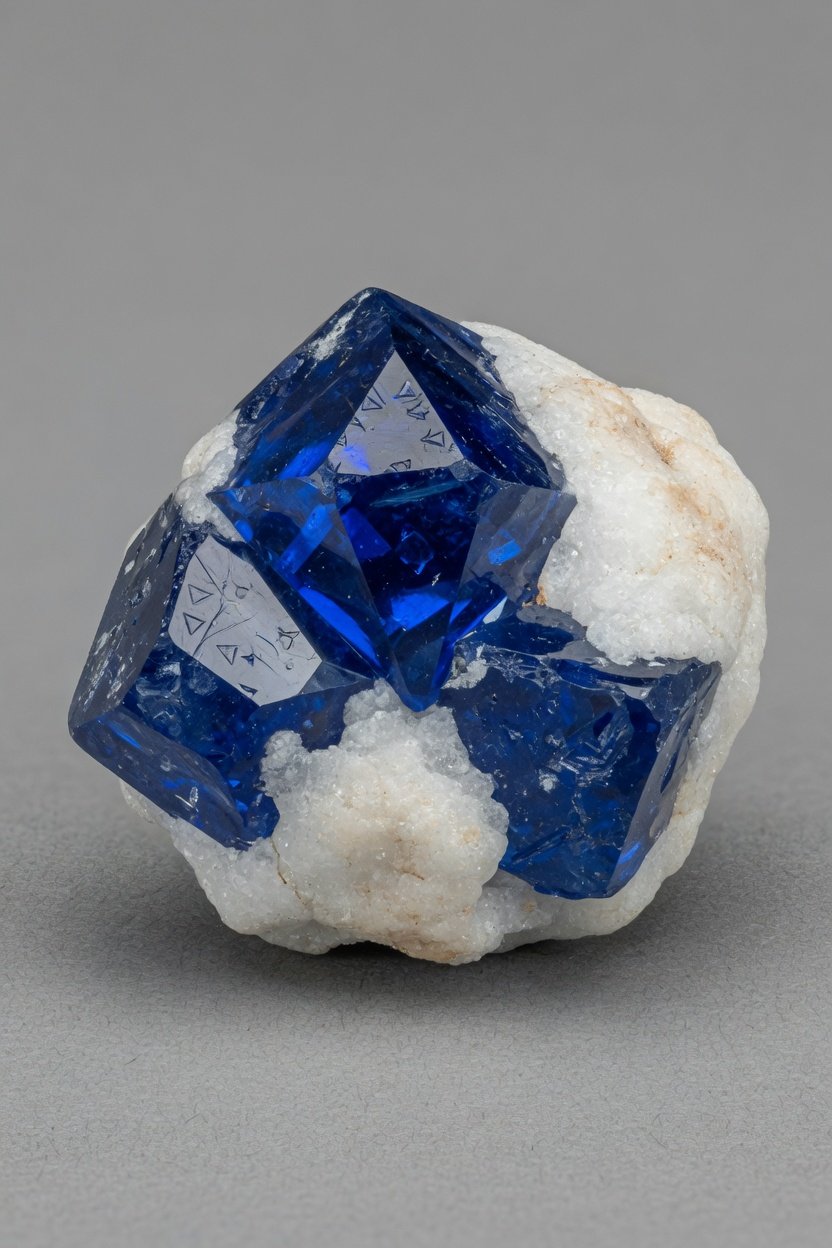
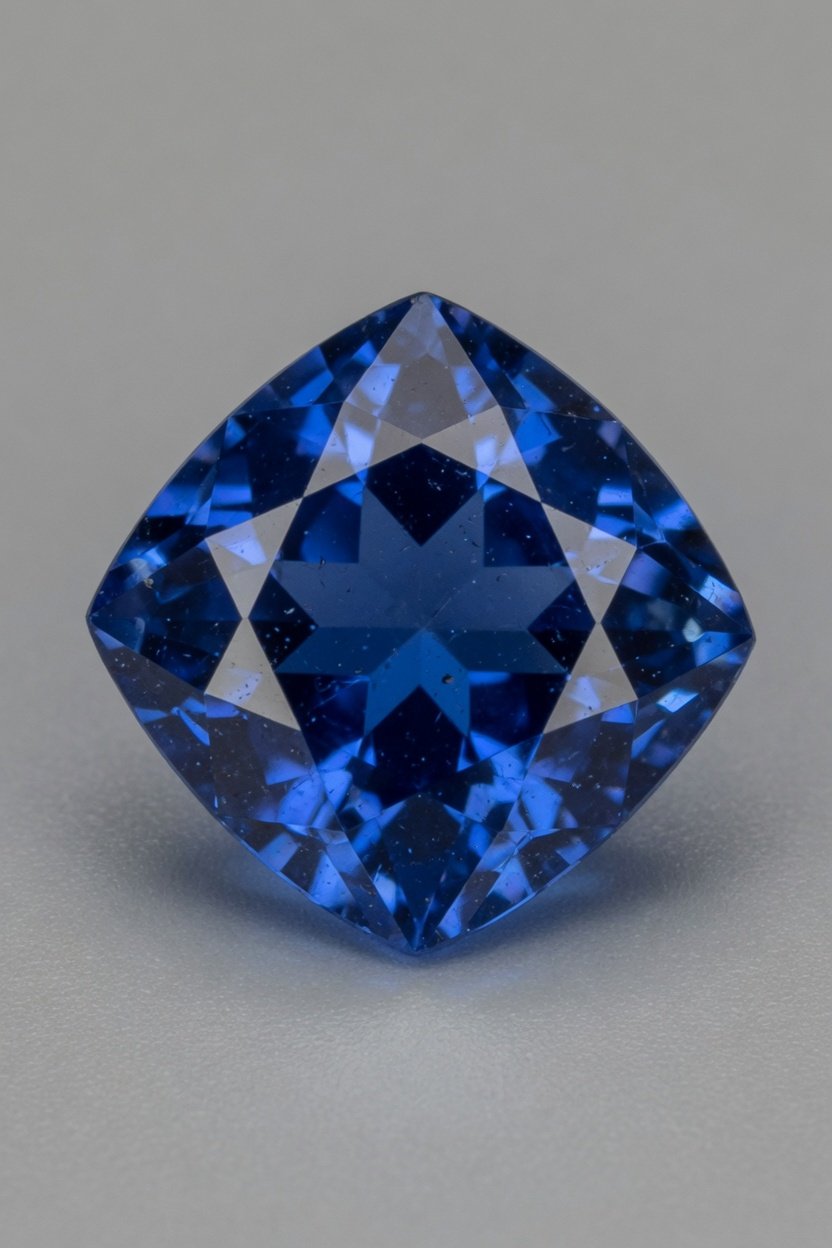
Spinel forms in brilliant reds and pinks that once passed for rubies in royal collections, its octahedral crystals catching light with a glassy depth that feels both ancient and immediate. This magnesium aluminum oxide quietly outlasts many softer gems while delivering saturated color that silversmiths prize for its stability under the torch. Its story moves from forgotten mine tailings to modern bench work where the stone rewards careful selection and precise setting.
Physical Properties Spinel crystallizes in the cubic system as octahedrons or rounded grains, reaching Mohs hardness of 8 and specific gravity near 3.6. Its vitreous luster and high refractive index produce bright internal reflections without the doubling seen in many red corundums. The stone shows no cleavage and resists fracture well, though its conchoidal breaks can leave sharp edges that require protection during setting. Always set spinel after all soldering is complete to avoid any risk of thermal shock to included crystals. Clean finished pieces with warm soapy water and a soft brush; ultrasonic cleaners are safe but steam should be avoided on heavily included stones.
Origin and Sourcing Most gem-quality spinel comes from marble-hosted deposits in Myanmar’s Mogok Valley, Sri Lanka’s alluvial gravels, Tanzania’s highlands, and smaller occurrences in Vietnam and Afghanistan. Miners extract the crystals from both primary marble pockets and secondary river beds where water has rounded the octahedrons into pebbles. Trace-element signatures help separate sources: Burmese material often shows higher chromium while Sri Lankan stones may carry more iron. Ethical sourcing now favors small-scale alluvial operations that disturb less ground than large open pits.
History and Significance Ancient texts record spinel under many names, most famously the Black Prince’s Ruby and the Timur Ruby, both large red spinels once thought to be corundum. Mughal and European courts prized the stones for their size and clarity long before mineralogy distinguished spinel from ruby in the nineteenth century. The mineral name itself derives from the Latin “spina” for its thorn-like crystal shape. Today spinel regains attention as a durable, untreated alternative to ruby and sapphire.
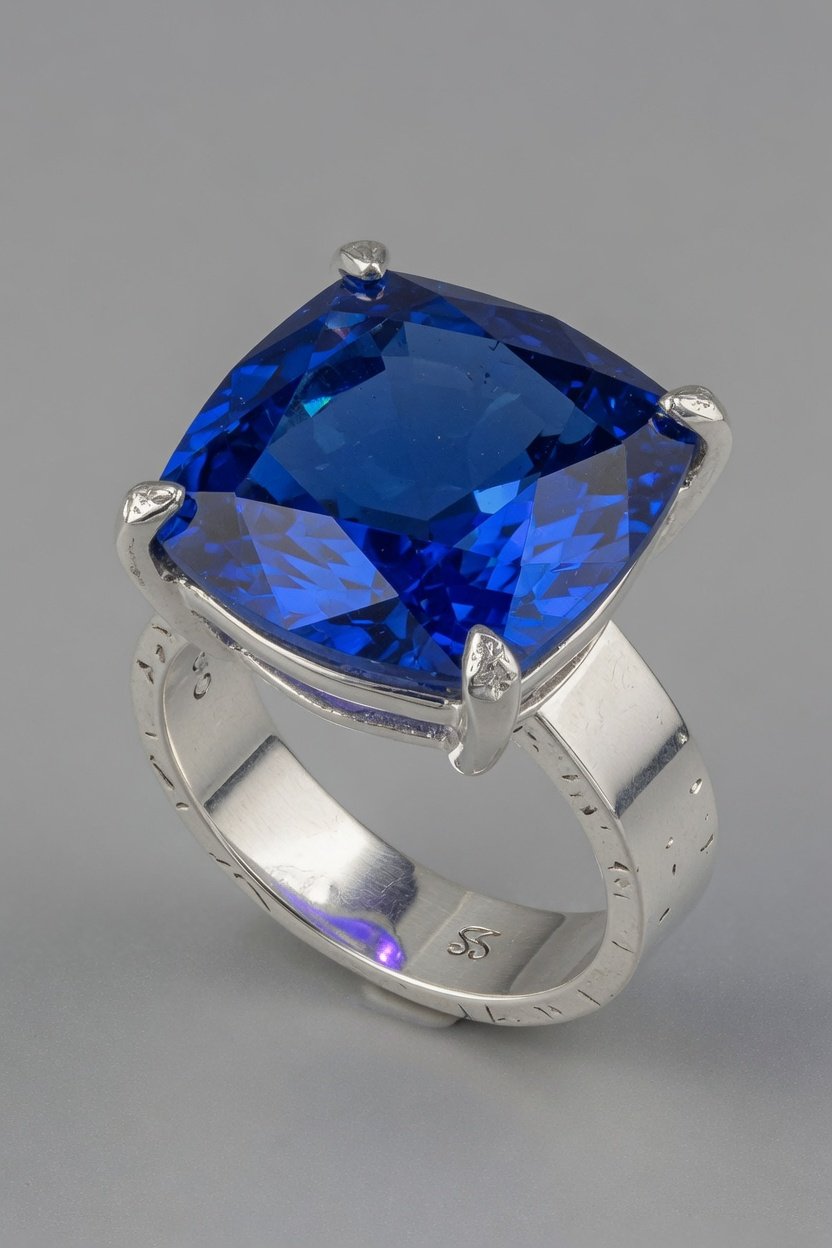
In Jewelry and Silversmithing Silversmiths favor spinel for both faceted and cabochon work because its hardness accepts a high polish and its color remains stable under torch heat. Red and pink stones pair especially well with oxidized silver bezels that emphasize their saturated hue. Because the stone conducts heat evenly, prong and bezel settings can be formed without fear of cracking. Always set spinel after all soldering is complete. Finished pieces should avoid prolonged contact with strong detergents that might dull the surface over decades.
Identifying Spinel in the Field In rough form spinel appears as octahedral crystals or water-worn pebbles with a glassy surface and no visible twinning lines. A simple streak test yields white, unlike hematite imitations. Under magnification the stone shows octahedral growth patterns and occasional octahedral negative crystals rather than the angular rutile needles common in ruby. Specific gravity testing in heavy liquids separates spinel from garnet and glass simulants quickly. Always set spinel after all soldering is complete and store away from harder gems that could scratch its faces during transport.
Quick Facts
Common names: Spinel, Balas Ruby (historical)
Chemical formula: MgAl₂O₄
Mohs hardness: 8
Specific gravity: 3.58–3.61
Color: Red, pink, blue, violet, orange, black
Crystal system: Cubic
Luster: Vitreous
Transparency: Transparent to translucent
Common cuts: Brilliant, cushion, oval, cabochon
Common treatments: Usually none; occasional heat
Best silver setting: Classic Silver Bezel Pendant
Birthstone month (if any): None (occasional August alternative)
Main sources: Myanmar, Sri Lanka, Tanzania, Vietnam
Meaning & Intentions
VITALITY
Spinel channels steady life force into the wearer, its octahedral structure acting like a natural battery that replenishes physical energy during demanding creative work. Silversmiths keep a small polished piece on the bench to maintain focus through long hours of filing and polishing without fatigue.
Chakra: Root — grounds action and physical stamina CLARITY
The stone’s cubic symmetry sharpens perception, helping artisans see subtle color zoning and internal patterns that guide precise cutting decisions. Wearers report faster recognition of design imbalances when spinel rests nearby during layout.
Chakra: Third Eye — heightens visual discernment PROTECTION
Spinel forms an energetic boundary that deflects scattered intentions, allowing the maker to stay centered on one project at a time. Its hardness translates into resilience against external distractions that might otherwise fracture workflow.
Chakra: Solar Plexus — reinforces personal boundaries Affirmation: "My energy stays focused and my vision remains clear." AT A GLANCE: Chakra: Root, Third Eye, Solar Plexus Element: Fire Energy: Projective Zodiac: Leo, Sagittarius Planet: Mars Affirmation: "My energy stays focused and my vision remains clear."
Related Stones
Explore more stones from the Gemstone Library: Tiger's Eye · Bloodstone · Agate