Rubellite, the vivid pink-to-red variety of tourmaline, draws the eye with its saturated hue that shifts from rose to raspberry under different lights. This gem forms in complex pegmatites where lithium and manganese create its signature color, making each crystal a record of slow geological processes deep in the earth. Silversmithing students quickly learn that its lively sparkle rewards careful handling and precise setting.
Physical Properties Rubellite registers 7 to 7.5 on the Mohs scale and displays a vitreous luster that gives faceted stones a bright, glassy fire. Its specific gravity hovers between 3.0 and 3.3, and the mineral belongs to the trigonal crystal system, often producing long prismatic crystals with pronounced pleochroism. The stone is moderately tough yet can show uneven fracture, so cutters orient the table to maximize color depth while avoiding internal stress planes. Always set the stone after all soldering is complete to prevent color shifts or cracking from prolonged heat exposure. Store finished pieces away from ultrasonic cleaners and sudden temperature changes that could exploit any microscopic cleavages.
Origin and Sourcing Most commercial rubellite comes from Brazil’s Minas Gerais region, Madagascar’s pegmatite fields, and smaller deposits in California and Maine. These localities share a common geology of lithium-rich granitic intrusions that cooled slowly enough for large, gem-quality crystals to grow. Miners extract the rough from hard-rock tunnels or weathered alluvial gravels, then hand-sort to separate pink and red material from the more common green and black tourmalines found in the same pockets. Ethical sourcing programs now track parcels from these sites to ensure fair labor practices reach the silversmithing classroom.
History and Significance Ancient Egyptians and later Roman lapidaries prized tourmaline for its ability to hold an electric charge when warmed, though rubellite itself entered European jewelry only after 18th-century trade routes opened Brazil. In Victorian England the deep pink crystals symbolized affection and were set into mourning jewelry to soften grief with quiet warmth. Indigenous communities in Brazil have long regarded the stones as talismans of emotional balance, a reputation that traveled with the gems into modern metaphysical circles.
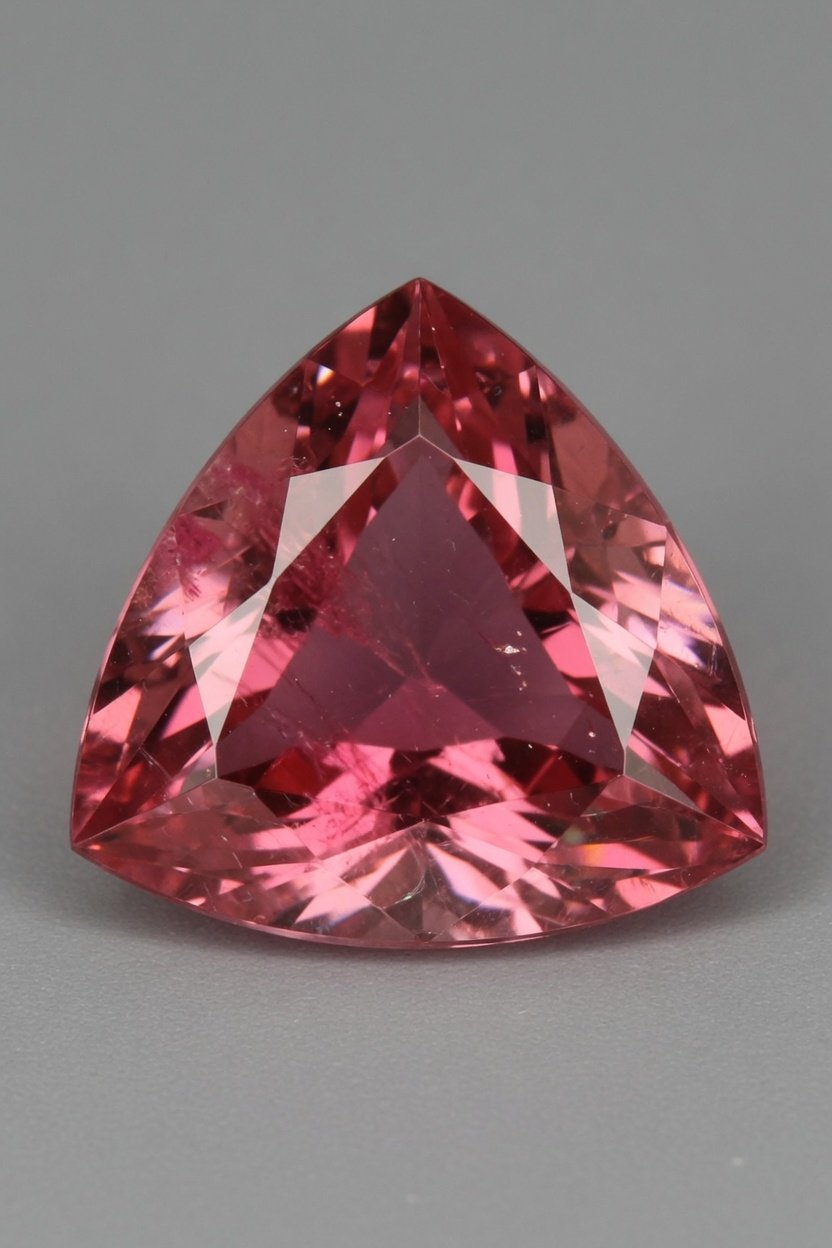
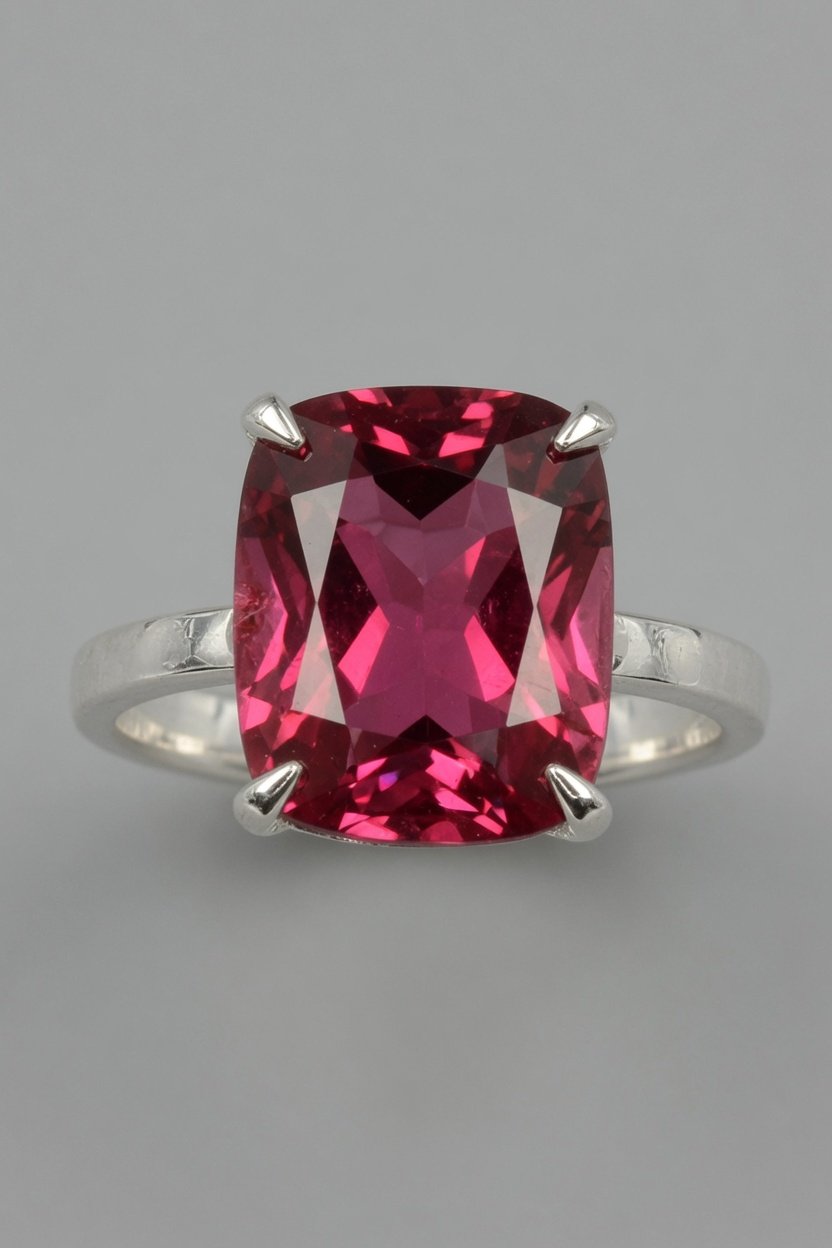
In Jewelry and Silversmithing Faceted rubellite excels in prong or bezel settings that let light pass through the table and pavilion, revealing its rich color zoning. Silversmiths often choose sterling silver for its cool tone that complements the pink without competing, creating rings, pendants, and earrings that highlight the stone’s natural brilliance. Because the material can shift hue under prolonged heat, set every stone only after the final solder joint has cooled and been pickled. Daily wear requires occasional inspection of prongs to prevent loosening, and the piece should be removed before heavy manual labor or exposure to strong chemicals.
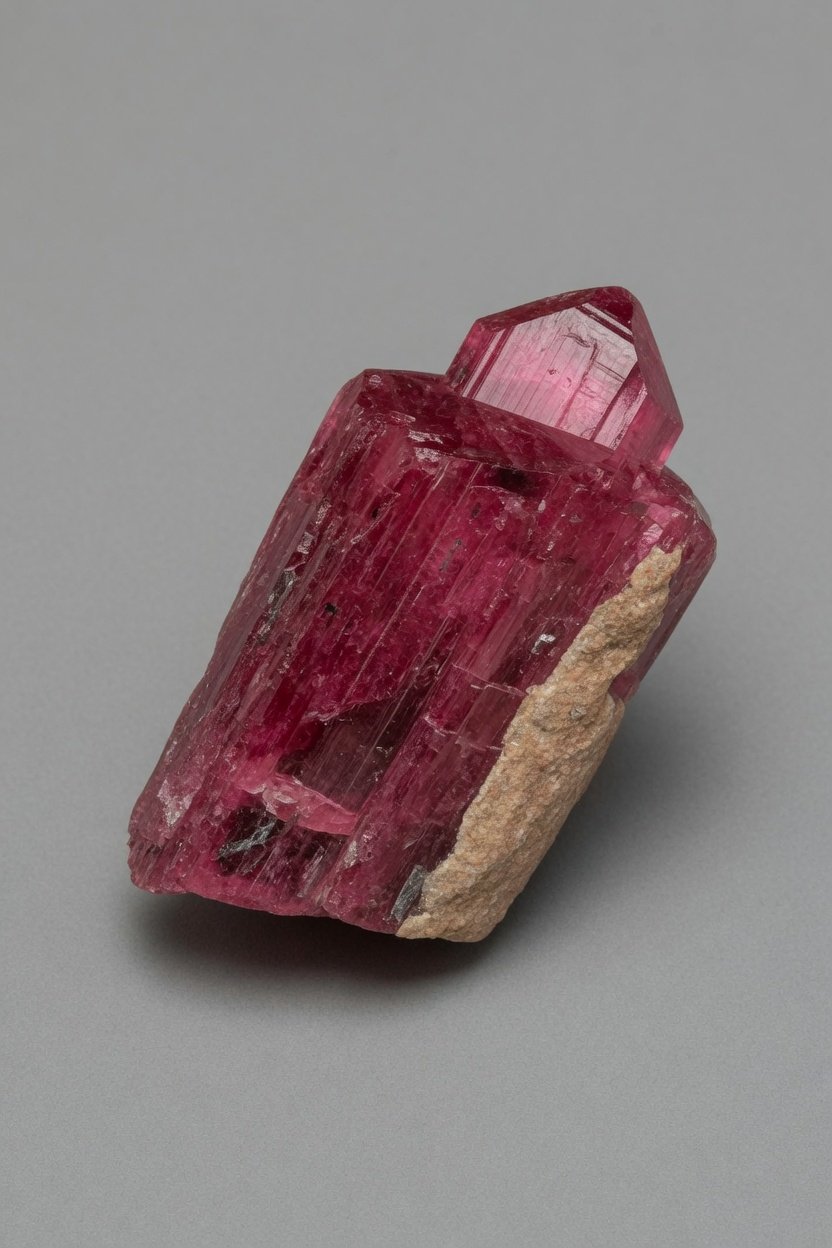
Identifying Rubellite (Pink Tourmaline) in the Field In rough form rubellite appears as elongated, striated prisms with a pink to red body color and a thin black or white outer crust from weathering. A quick hardness test against feldspar or quartz confirms its resistance, while the lack of cleavage and the presence of triangular cross-sections help separate it from similar-looking spodumene or rose quartz. Pleochroism is visible even in small fragments when rotated between fingers, showing a deeper red along the c-axis and lighter pink perpendicular to it. Always examine the matrix for associated minerals such as lepidolite or albite, which commonly accompany rubellite in lithium pegmatites.
Quick Facts
Common names: Rubellite, Pink Tourmaline
Chemical formula: Na(Li,Al)3Al6(BO3)3Si6O18(OH)4
Mohs hardness: 7–7.5
Specific gravity: 3.0–3.3
Color: Pink to red, often zoned
Crystal system: Trigonal
Luster: Vitreous
Transparency: Transparent to translucent
Common cuts: Faceted, occasional cabochon
Common treatments: Heat, irradiation
Best silver setting: Contemporary Prong Ring
Birthstone month (if any): October
Main sources: Brazil, Madagascar, United States
Meaning & Intentions
EMOTIONAL BALANCE
Rubellite supports steady emotional grounding by encouraging the wearer to release old patterns and meet daily challenges with calm clarity. Silversmiths set the faceted stone in sterling silver so its pink fire remains visible, reminding the owner to pause and reconnect with inner steadiness throughout the day.
Chakra: Heart — center of compassion and self-acceptance CLEAR PERCEPTION
The stone sharpens awareness of subtle emotional cues in relationships, helping the wearer notice both their own needs and those of others without judgment. When mounted in silver jewelry the transparent pink facets catch light at different angles, mirroring the shifting insights the gem is said to foster.
Chakra: Heart — center of compassion and self-acceptance PROTECTED EXPRESSION
Rubellite offers quiet protection for honest self-expression, allowing thoughts and feelings to surface without fear of harsh reaction. The gem’s saturated color in a silver setting acts as a visible anchor that reinforces boundaries while still inviting gentle communication.
Chakra: Heart — center of compassion and self-acceptance Affirmation: "I speak my truth with steady warmth and an open heart." AT A GLANCE: Chakra: Heart Element: Water Energy: Receptive Zodiac: Libra, Scorpio Planet: Venus Affirmation: "I speak my truth with steady warmth and an open heart."
Related Stones
Explore more stones from the Gemstone Library: Rose Quartz · Morganite · Rhodonite