Andesine emerges from the earth with a warm, sunset glow that immediately draws the eye, its rich reddish-orange tones hinting at both volcanic fire and quiet depth. This feldspar variety carries a subtle play of light that feels both ancient and alive, making it a compelling choice for silversmiths who seek stones with personality and presence. Its story stretches across continents and cultures, inviting makers to handle it with care and intention.
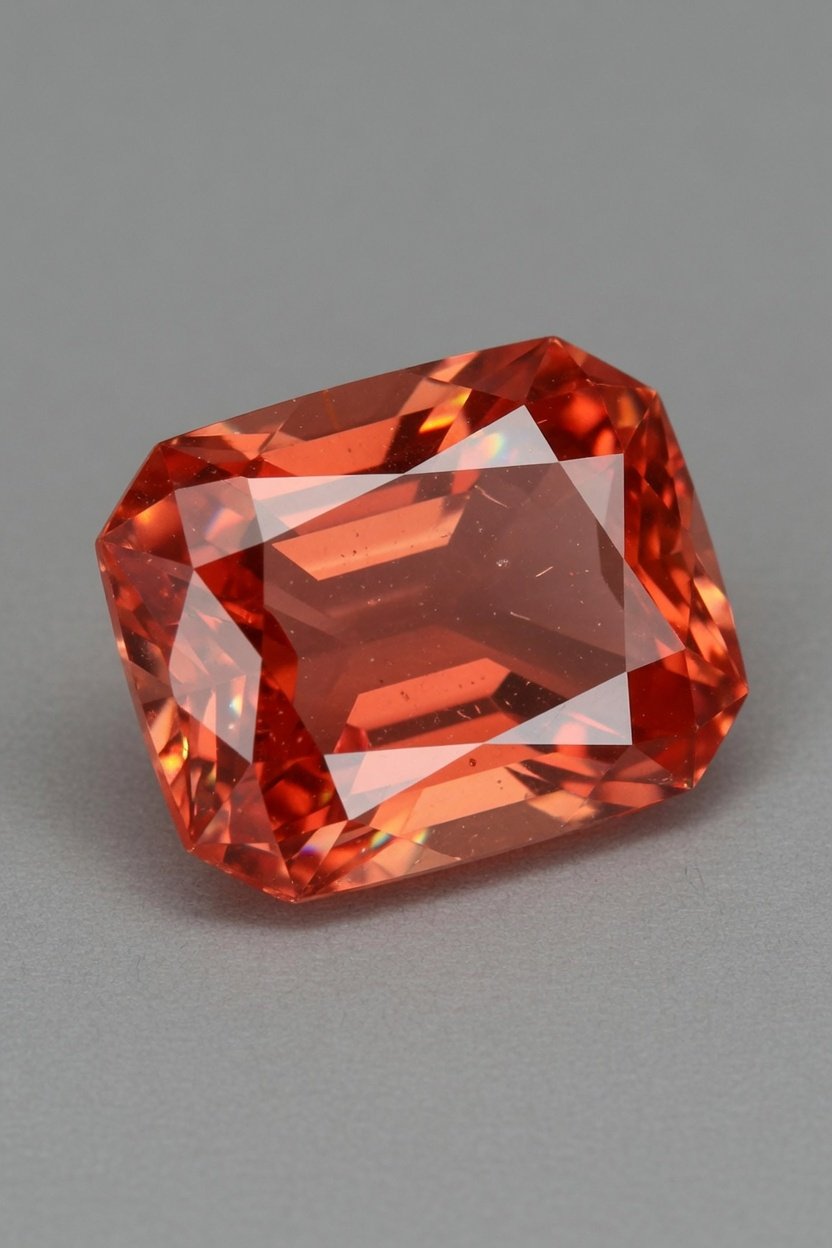
Physical Properties Andesine belongs to the plagioclase feldspar group, displaying a chemical composition that blends sodium and calcium in a triclinic crystal structure. It registers 6 to 6.5 on the Mohs scale, giving it respectable durability for everyday jewelry while remaining softer than quartz or topaz. Specific gravity falls between 2.66 and 2.68, and its vitreous luster ranges from transparent to translucent, often revealing fine internal veils or faint schiller when properly oriented. The stone’s color arises from natural trace elements or laboratory diffusion, producing saturated reds, oranges, and occasional coppery flashes. Always set andesine after all soldering is complete to avoid thermal shock that could cloud its clarity or cause internal fractures; store pieces away from prolonged sunlight and harsh chemicals to preserve the depth of color.
Origin and Sourcing Primary deposits occur in the Democratic Republic of Congo, Mongolia, and parts of Madagascar, where andesine forms within pegmatites and volcanic flows. Miners extract the rough through a combination of hard-rock tunneling and alluvial screening, carefully separating the gem-bearing matrix from surrounding basalt and feldspathic rock. Ethical sourcing has become essential because some material reaches the market after diffusion treatment that intensifies color; reputable suppliers now provide certification tracing each parcel to its country of origin.
History and Significance Ancient Andean cultures are thought to have encountered similar feldspars, though documented use of true andesine is more recent. In the late twentieth century the stone gained prominence when vibrant red specimens appeared from African and Asian sources, prompting both excitement and scrutiny over possible treatments. Today andesine symbolizes balance between passion and clarity, valued by silversmiths who appreciate its ability to anchor warm-toned designs without overpowering surrounding metalwork.
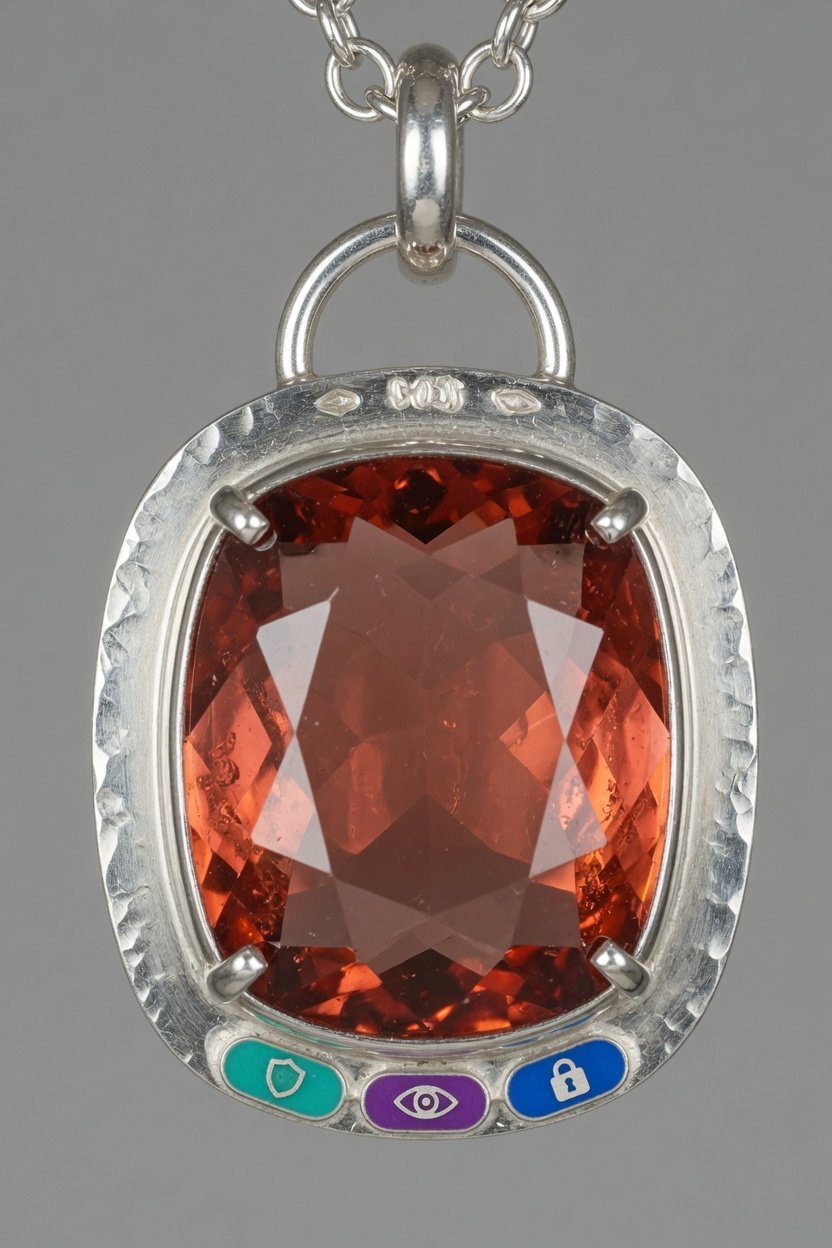
In Jewelry and Silversmithing Silversmiths typically select andesine for bezel settings that protect its edges while allowing light to enter from above. The stone’s moderate toughness rewards clean, low-heat fabrication techniques; prong settings are possible yet require extra care during polishing to prevent chipping. Its warm palette pairs especially well with oxidized silver and subtle stamping that echoes the stone’s natural depth. Finished pieces benefit from occasional gentle cleaning with mild soap and soft brushes rather than ultrasonic or steam methods.
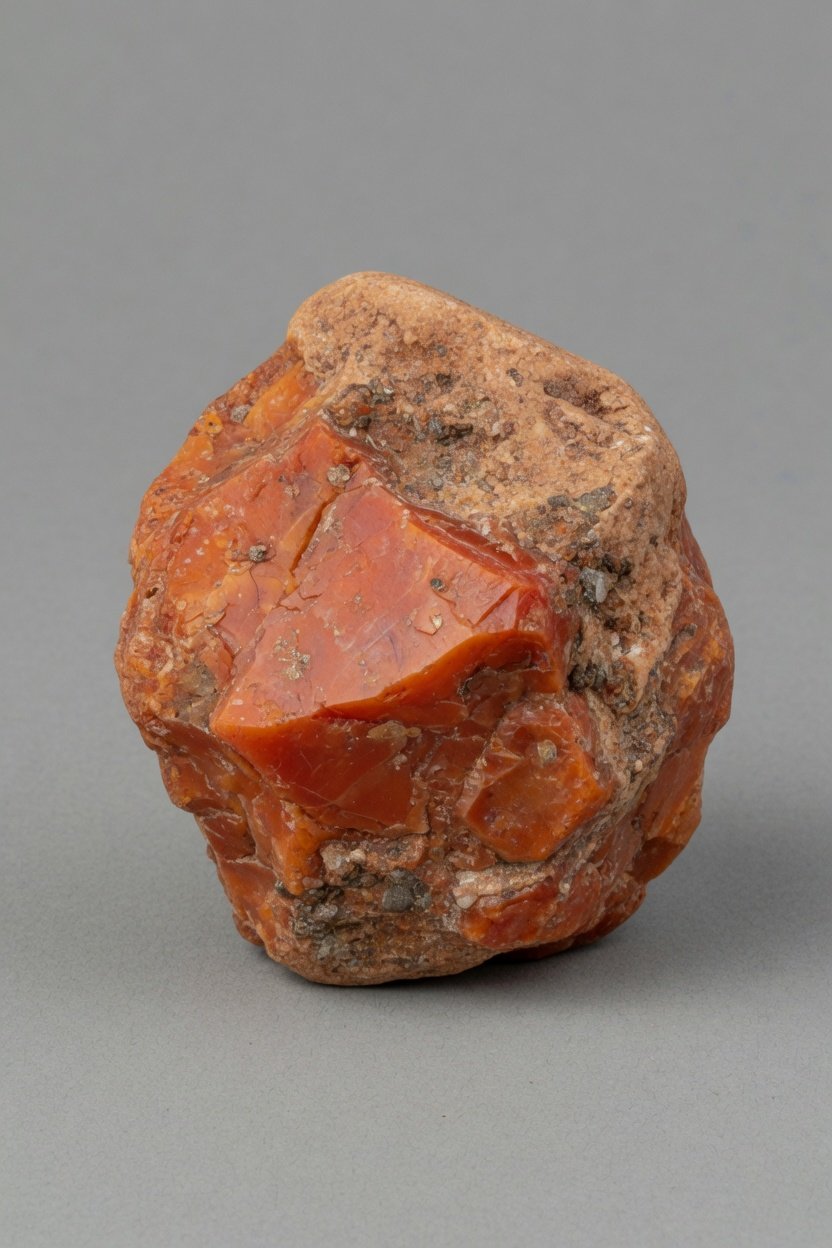
Identifying Andesine in the Field In rough form andesine appears as blocky, slightly weathered crystals with a distinctive salmon-to-brick hue and a telltale lack of strong cleavage planes compared with other feldspars. A quick hardness test against a steel file and observation of refractive indices near 1.55–1.56 help confirm identity before cutting. Treated stones may show color concentration along surface layers under magnification, so careful inspection remains essential for any silversmith selecting rough.
Quick Facts
Common names: Andesine, Red Andesine, Andesine-Labradorite
Chemical formula: (Na,Ca)Al1-2Si3-2O8
Mohs hardness: 6–6.5
Specific gravity: 2.66–2.68
Color: Red, orange-red, coppery orange
Crystal system: Triclinic
Luster: Vitreous
Transparency: Transparent to translucent
Common cuts: Faceted oval, round, cushion
Common treatments: Copper diffusion, irradiation
Best silver setting: Classic Silver Bezel
Birthstone month (if any): None
Main sources: Congo, Mongolia, Madagascar
Meaning & Intentions
GROUNDING
Andesine supports steady presence during times of change by anchoring scattered energy into the body and encouraging calm decision-making. Silversmiths often place the stone in protective bezels so the wearer can carry that quiet stability through daily routines and creative work alike.
Chakra: Root — stability and physical connection CLARITY
The stone’s warm transparency invites focused perception, helping wearers distinguish essential truths from passing distractions. When set in silver, andesine becomes a daily reminder to look beneath surface appearances and trust inner vision.
Chakra: Third Eye — insight and perception BOUNDARIES
Andesine encourages clear personal limits without aggression, allowing wearers to maintain warmth while protecting their own space. Its coppery tones in a silver frame reinforce the idea of strength held with grace.
Chakra: Solar Plexus — confidence and self-definition Affirmation: "I stand steady, see clearly, and honor my own edges." AT A GLANCE: Chakra: Root, Third Eye, Solar Plexus Element: Fire Energy: Receptive Zodiac: Aries, Leo Planet: Mars Affirmation: "I stand steady, see clearly, and honor my own edges."
Related Stones
Explore more stones from the Gemstone Library: Agate · Aragonite · Mahenge Spinel