Mahenge Spinel emerges from the earth as one of nature's most vivid treasures, its saturated reds and pinks glowing with an inner fire that has captivated collectors for generations. Found exclusively in the remote hills of central Tanzania, this spinel variety stands apart for its exceptional clarity and color intensity, rivaling the finest rubies yet remaining far rarer in the marketplace.
Physical Properties Mahenge Spinel crystallizes in the cubic system with a Mohs hardness of 8, giving it excellent durability for daily wear while still requiring careful handling during fabrication. Its specific gravity ranges from 3.58 to 3.61, and it exhibits a bright vitreous luster with high transparency in gem-quality specimens. The stone's strong dispersion produces lively fire under light. Always set the stone after all soldering operations are complete to avoid thermal shock. Avoid prolonged exposure to ultrasonic cleaners or harsh chemicals that could dull the surface polish.
Origin and Sourcing All commercial quantities of Mahenge Spinel come from alluvial deposits and marble-hosted pockets near the village of Mahenge in Tanzania's Morogoro region. Miners recover the rough through hand-dug pits and shaking screens in seasonal riverbeds, where water action has concentrated the dense crystals. Production remains small-scale and seasonal, limited by monsoon rains and remote access. Ethical sourcing emphasizes direct purchase from local cooperatives that support community infrastructure.
History and Significance Spinel from the Mahenge area entered Western awareness only in the late twentieth century, though local communities had long recognized the bright red pebbles. The deposit gained fame after a series of exceptional finds in the 2000s produced stones rivaling historic spinels from Myanmar and Sri Lanka. Its vivid hue once caused misidentification as ruby in early parcels, underscoring how color alone can mislead even experienced buyers.
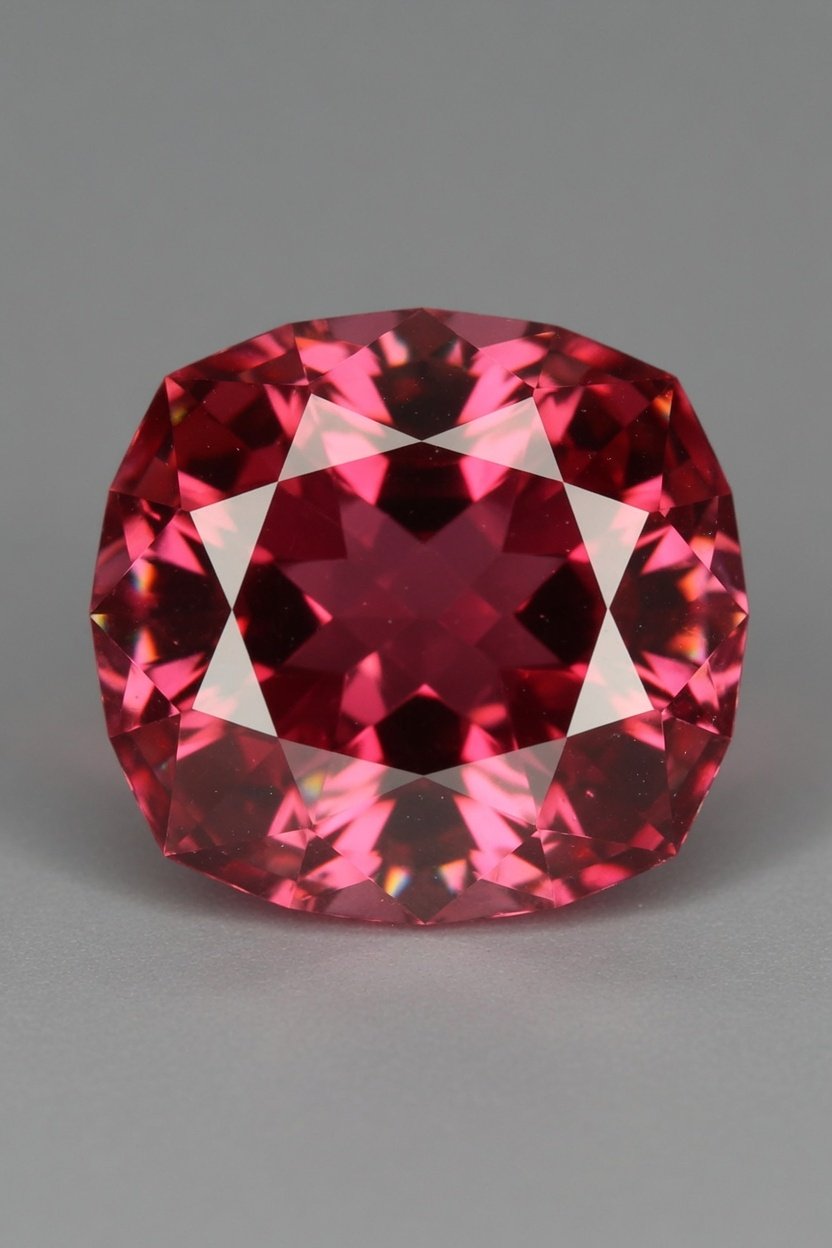
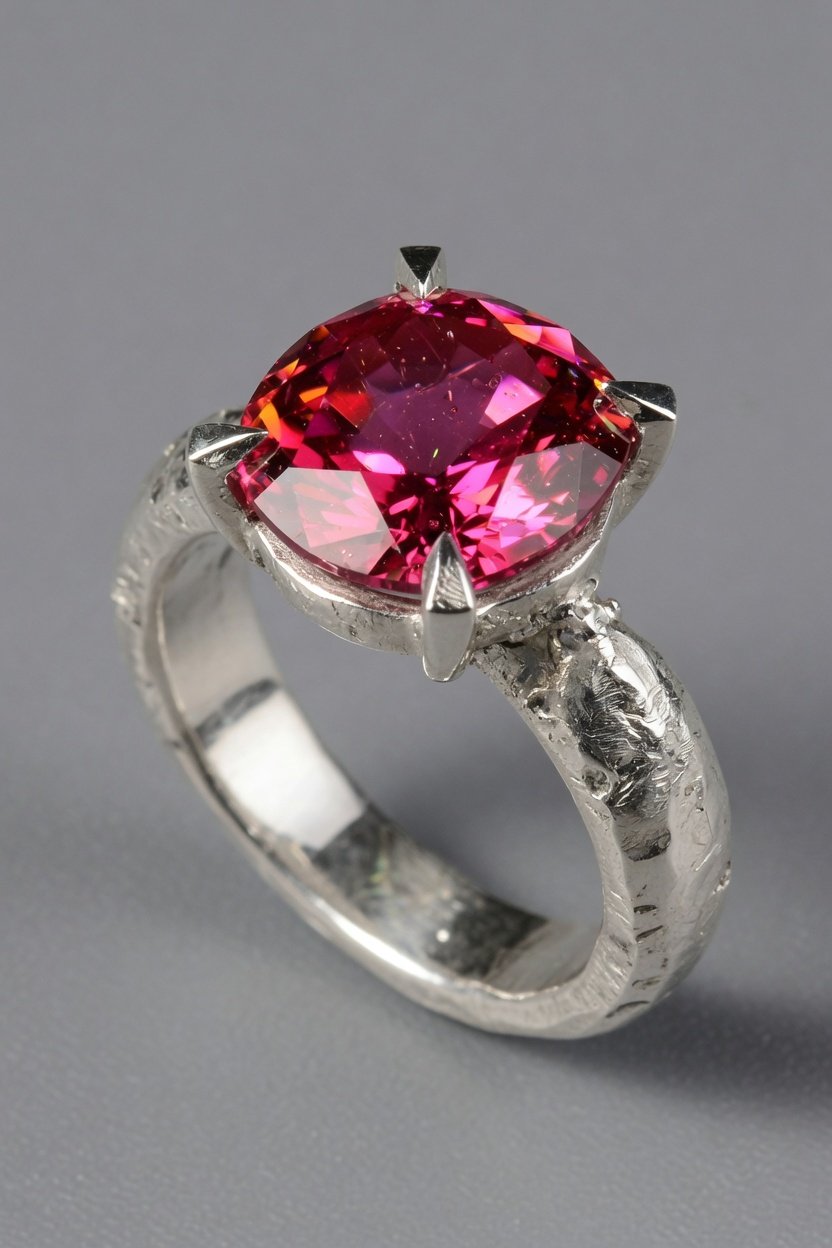
In Jewelry and Silversmithing Silversmiths prize Mahenge Spinel for its brilliance when faceted, allowing intricate pavilion cuts that maximize return of light. The stone's toughness supports secure prong or bezel settings in sterling silver, yet its perfect cleavage in some directions demands gentle pressure during setting. Always set the stone after all soldering operations are complete. Clean with mild soap and warm water; avoid steam or chemical dips that may affect surface luster over time.
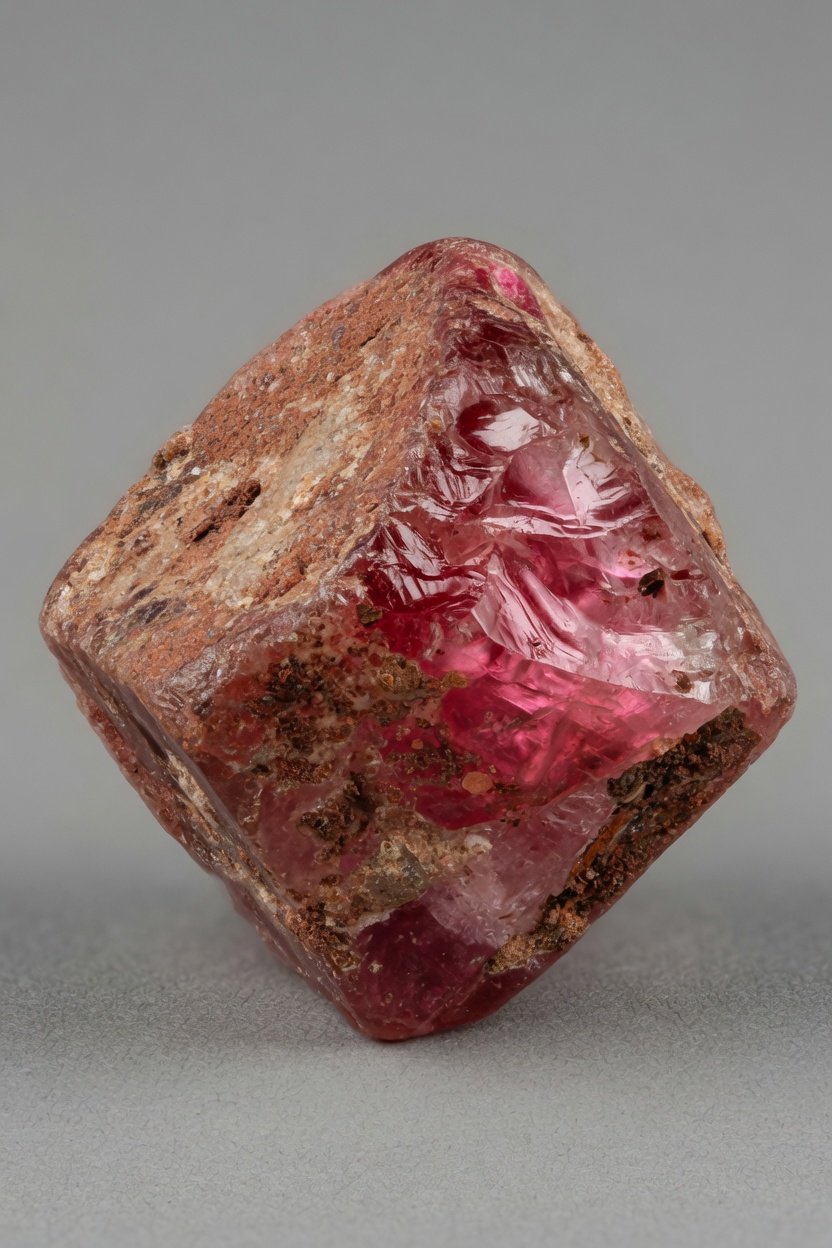
Identifying Mahenge Spinel in the Field In rough form, Mahenge Spinel appears as octahedral crystals or water-worn pebbles with a distinctive cherry-red to hot-pink body color and glassy fracture surfaces. Under magnification, natural inclusions often include octahedral negative crystals and fine rutile needles. Its lack of pleochroism and single refractive index separate it from corundum. Color zoning, when present, tends to follow octahedral growth planes rather than the hexagonal patterns seen in ruby.
Quick Facts
Common names: Mahenge Spinel, Tanzanian Red Spinel
Chemical formula: MgAl₂O₄
Mohs hardness: 8
Specific gravity: 3.58–3.61
Color: Vivid red, pink, purple-red
Crystal system: Cubic
Luster: Vitreous
Transparency: Transparent to translucent
Common cuts: Faceted (round, oval, cushion)
Common treatments: None
Best silver setting: Contemporary Prong Ring
Birthstone month (if any): None
Main sources: Mahenge, Tanzania
Meaning & Intentions
VITALITY
Mahenge Spinel channels steady life force into the wearer, supporting physical stamina and emotional resilience during demanding periods. Silversmiths set the stone in protective talismans worn close to the heart so its stable cubic structure can mirror inner balance. The gem's natural saturation reminds the bearer to replenish energy rather than deplete reserves through overwork.
Chakra: Root — grounding and physical vitality CLARITY
Worn as a focal point in silver jewelry, Mahenge Spinel sharpens perception and cuts through confusion during decision-making. Its transparent quality encourages honest self-examination while the octahedral crystal form symbolizes clear boundaries. Artisans often choose this stone for pieces intended to accompany meditation or journaling practices.
Chakra: Third Eye — insight and focused awareness PROTECTION
The stone forms an energetic shield around its wearer, deflecting negativity while preserving personal sovereignty in challenging environments. Silversmiths favor secure, closed-back settings that echo this containment function. Its durability allows daily wear without loss of potency over time.
Chakra: Solar Plexus — confident self-definition Affirmation: "My energy stays bright and my path stays clear." AT A GLANCE: Chakra: Root, Third Eye, Solar Plexus Element: Fire Energy: Projective Zodiac: Aries, Leo Planet: Mars Affirmation: "My energy stays bright and my path stays clear."
Related Stones
Explore more stones from the Gemstone Library: Ruby · Spinel · Tiger's Eye