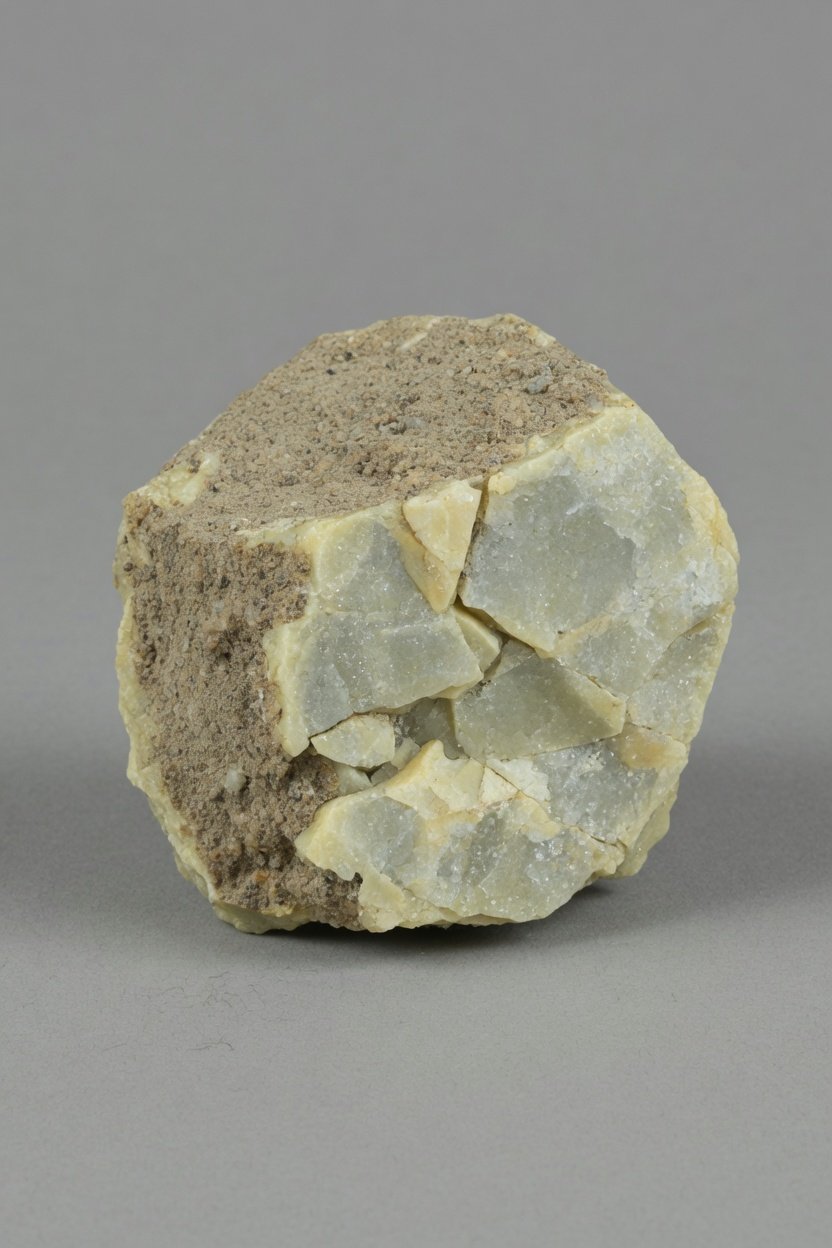
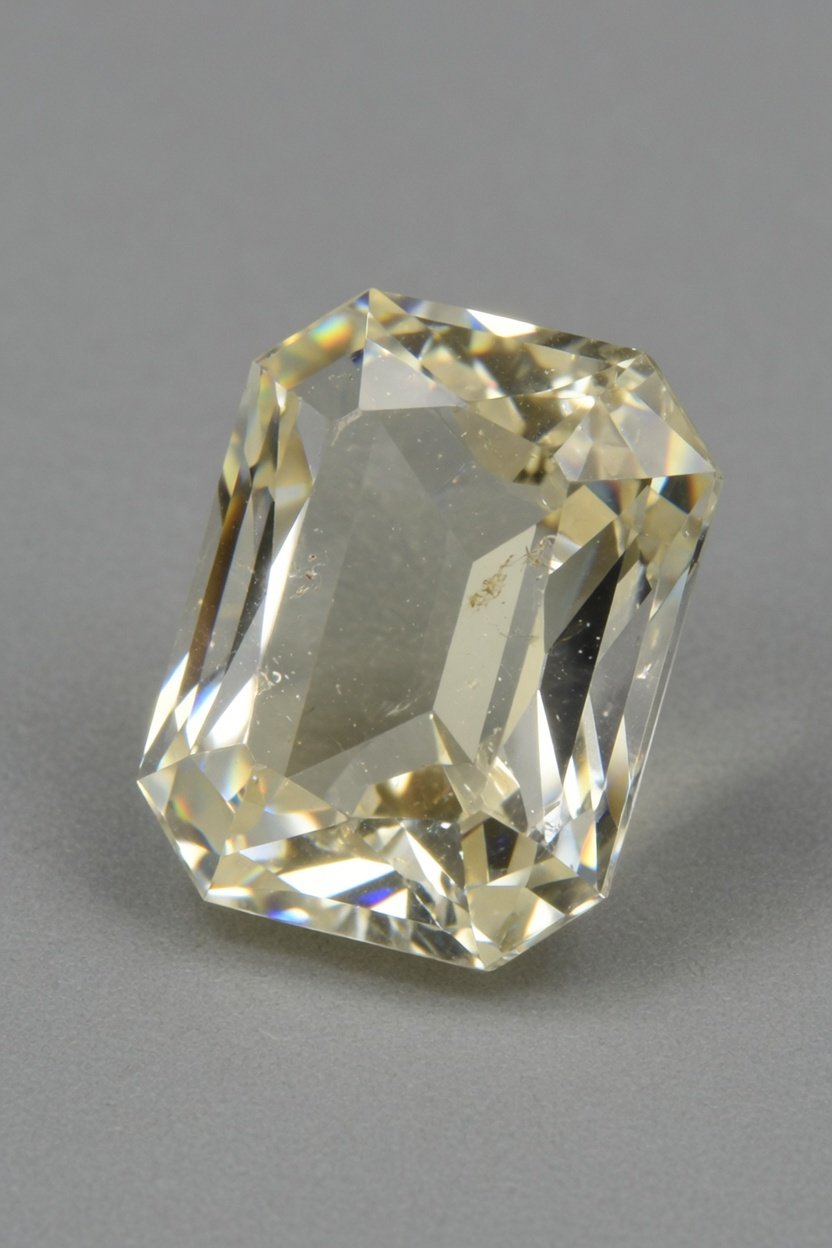
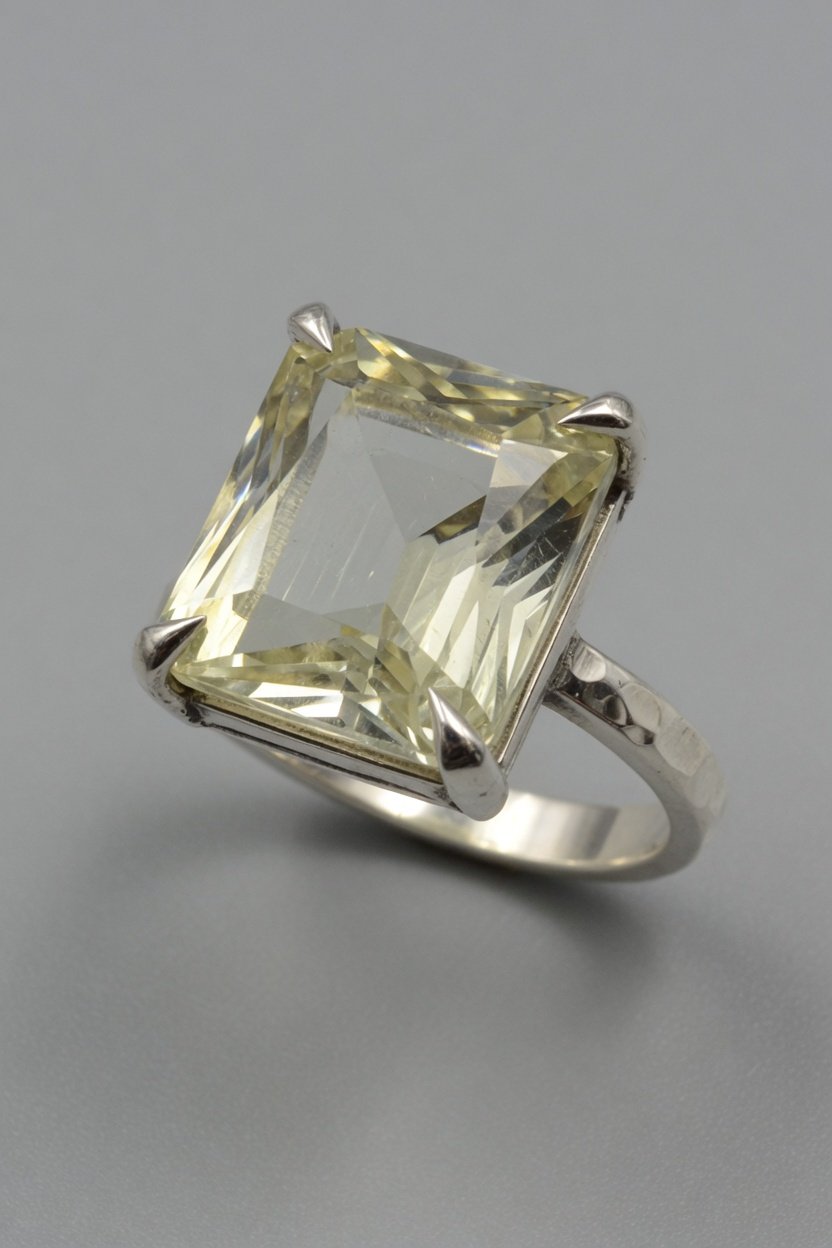
Bytownite emerges from the earth as a subtle yet luminous feldspar whose pale golden flashes and glassy surfaces catch light in ways that reward close attention from any silversmith. This calcium-rich plagioclase carries an understated elegance that makes it ideal for jewelry meant to be worn daily yet noticed repeatedly. Its formation deep within igneous intrusions gives the stone a quiet strength that translates beautifully once set.
Physical Properties Bytownite registers 6 to 6.5 on the Mohs scale and possesses two directions of perfect cleavage that demand careful handling during cutting and setting. Specific gravity falls between 2.72 and 2.75, producing a light yet solid feel in finished pieces. The mineral displays vitreous luster with occasional pearly sheen on cleavage faces and ranges from fully transparent to translucent. Colors typically run from colorless through pale yellow, gray, or soft brown. Always set the stone after all soldering is complete to avoid thermal shock along cleavage planes; avoid ultrasonic cleaners and store away from harder gems that could scratch its surface.
Origin and Sourcing Primary deposits occur in Canada near the original Bytown locality, with additional material coming from Mexico and select sites in the United States. The stone forms in gabbroic and anorthositic intrusions where slow cooling allows large, well-formed crystals to develop. Miners extract it through hard-rock methods that preserve crystal integrity. Rough is then sorted for clarity before export to lapidaries who recognize its value as a collector gem and jewelry material.
History and Significance First described in the nineteenth century from Canadian specimens, bytownite quickly entered mineralogical collections yet remained rare in jewelry until modern faceting techniques improved. Its position in the plagioclase series between labradorite and anorthite gives it both scientific interest and visual appeal. Indigenous communities in source regions sometimes viewed similar feldspars as protective talismans, though bytownite itself carries no widespread ancient lore beyond its mineralogical identity.
In Jewelry and Silversmithing Silversmiths favor bytownite for its ability to take a high polish that highlights internal twinning lines and subtle color shifts. Faceted stones suit contemporary prong or bezel settings that protect edges while allowing light to pass through. The stone’s modest hardness requires designs that shield it from daily abrasion, making pendants and earrings safer than rings for frequent wear. Always set the stone after all soldering is complete; clean only with mild soap and soft cloth.
Identifying Bytownite in the Field Field identification relies on its triclinic crystal habit, cleavage angles near 86 degrees, and lack of strong labradorescence compared with labradorite. A streak test yields white, and the mineral effervesces weakly in hydrochloric acid when calcium content is high. Hand specimens often show fine parallel striations from twinning. Collectors confirm identity through refractive index readings between 1.56 and 1.58 when laboratory equipment is available.
Quick Facts
Common names: Bytownite, calcium-rich plagioclase
Chemical formula: (Ca,Na)(Al,Si)4O8 (An70–An90)
Mohs hardness: 6–6.5
Specific gravity: 2.72–2.75
Color: Colorless, pale yellow, gray, brown
Crystal system: Triclinic
Luster: Vitreous to pearly
Transparency: Transparent to translucent
Common cuts: Faceted, cabochon
Common treatments: None
Best silver setting: Contemporary Prong Ring
Birthstone month (if any): None
Main sources: Canada, Mexico, United States
Meaning & Intentions
CLARITY
Bytownite supports mental clarity by reflecting light in gentle, steady waves that encourage focused thought during meditation or study. Silversmiths set the transparent material in open frames so its inner twinning lines remain visible, reminding the wearer to examine situations from multiple angles without distortion. The stone’s modest weight feels grounding rather than heavy, allowing long periods of wear without fatigue.
Chakra: Third Eye – insight and perception PERCEPTION
Wearers turn to bytownite when they seek sharper observation of patterns in daily life or creative work. Its vitreous surfaces catch shifting light that mirrors the way new details emerge upon closer inspection. Set as a single focal stone, the gem encourages quiet attention to nuance rather than dramatic revelation.
Chakra: Third Eye – focused awareness PROTECTION
The stone’s two perfect cleavages symbolize boundaries that safeguard personal energy while remaining flexible. Silversmiths often choose protective bezel edges around faceted bytownite to echo this theme of contained strength. Users report a sense of steady containment when the piece is worn during demanding interactions.
Chakra: Root – stability and containment Affirmation: "I see clearly and remain steady." AT A GLANCE: Chakra: Third Eye Element: Air Energy: Receptive Zodiac: Aquarius Planet: Uranus Affirmation: "I see clearly and remain steady."
Related Stones
Explore more stones from the Gemstone Library: Pezzottaite · Fluorite · Sphalerite