Chalcedony emerges from the earth as a quiet marvel of microcrystalline quartz, its waxy surface catching light in soft, diffused glows that hint at hidden depths beneath a deceptively plain exterior. This versatile stone, often appearing in cool blues or milky whites, has long drawn silversmiths and collectors alike for its ability to anchor designs with understated elegance rather than flashy brilliance. Its subtle presence invites closer inspection, revealing the layered history of formation and human use that makes it a staple in both ancient artifacts and modern workshops.
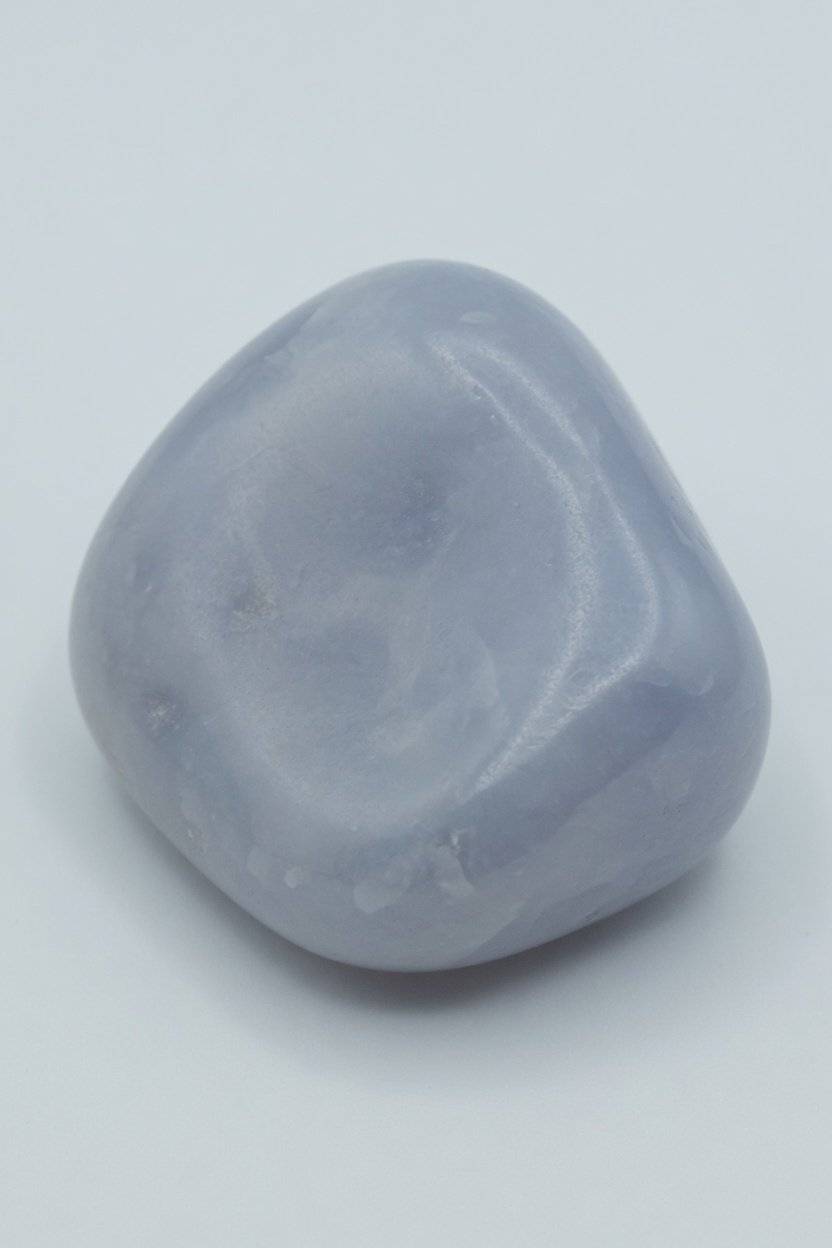
Physical Properties Chalcedony registers 6.5 to 7 on the Mohs scale, offering solid durability for everyday wear while remaining workable with standard lapidary tools. Its specific gravity hovers between 2.58 and 2.64, and the stone exhibits a waxy to vitreous luster with translucency that ranges from nearly transparent to fully opaque. No distinct cleavage appears, so it fractures conchoidally, producing smooth curves ideal for cabochon shaping. Always set the stone after all soldering is complete to avoid heat damage that could cloud its surface or cause internal fractures. Avoid prolonged exposure to harsh chemicals or ultrasonic cleaners, as these can etch the fine crystalline structure over time.
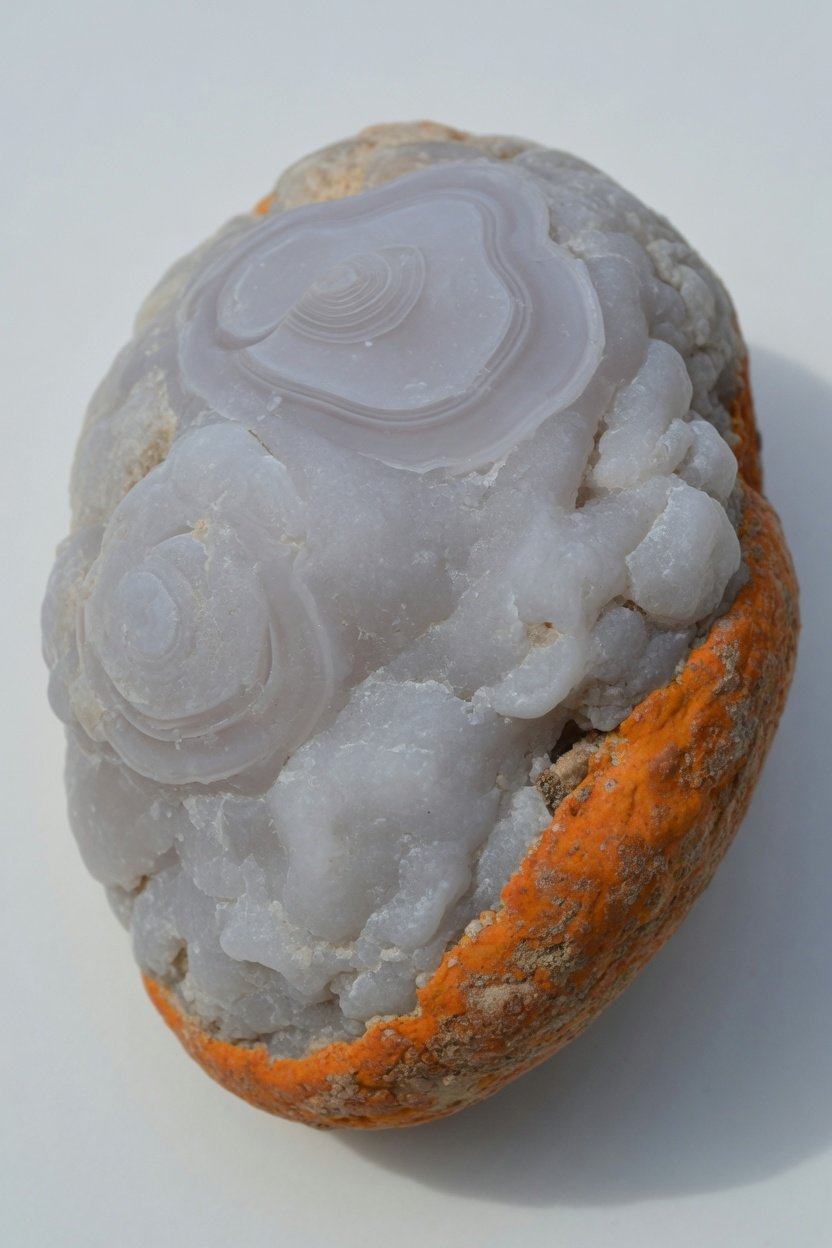
Origin and Sourcing Major deposits occur in India, Brazil, Madagascar, and the United States, where chalcedony forms through silica-rich groundwater filling cavities in volcanic or sedimentary rock. Alluvial processes often concentrate nodules in river gravels, while open-pit operations extract larger masses from weathered zones. Artisanal miners in these regions recover material ranging from fist-sized chunks to massive boulders, with quality varying by iron and manganese impurities that influence color. Ethical sourcing emphasizes small-scale operations that minimize habitat disruption in biodiverse areas like Madagascar’s highland plateaus.
History and Significance Ancient civilizations valued chalcedony for seals and amulets, with Sumerian and Egyptian artisans carving cylinder seals that survive in museum collections today. Greek and Roman lapidaries prized the stone for intaglio work, believing its cool tones promoted clarity during negotiations and travel. Medieval European silversmiths incorporated it into reliquaries and rings, linking its banded varieties to protective talismans. The stone’s significance persists in contemporary metaphysical circles, where it symbolizes steady communication and emotional balance without the dramatic claims attached to more vivid quartz varieties.
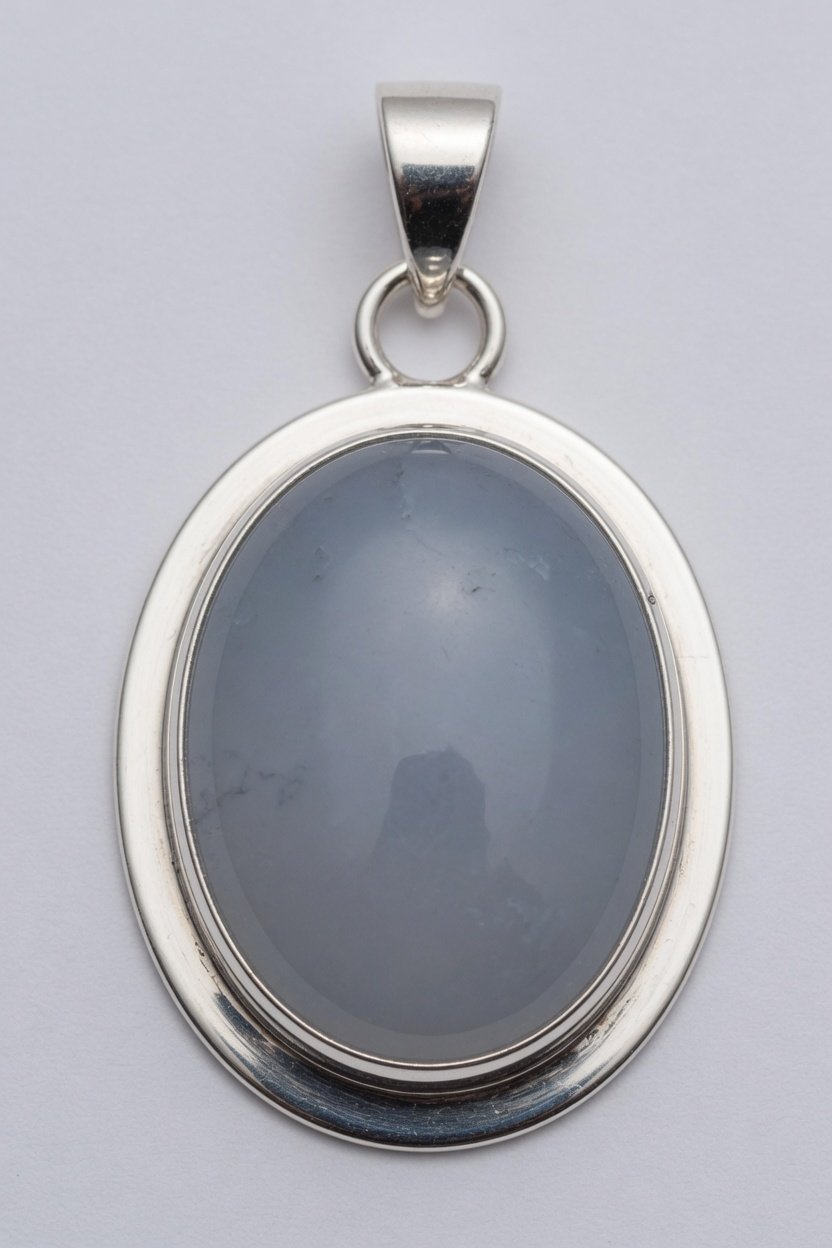
In Jewelry and Silversmithing Silversmiths favor chalcedony for cabochon cuts that showcase its gentle translucency against polished silver. Bezel settings provide the most secure housing, protecting vulnerable edges while allowing light to penetrate from multiple angles. Always complete all soldering and annealing before setting the stone to prevent thermal shock. Its Mohs hardness permits light polishing with tin oxide, yet care must be taken to avoid overheating during final buffing. The stone pairs especially well with oxidized silver finishes that enhance contrast and lend an antique character to pendants or cufflinks.
Identifying Chalcedony in the Field Field identification begins with the stone’s distinctive waxy feel and lack of visible crystal faces, distinguishing it from macrocrystalline quartz. Test hardness against a steel file; chalcedony resists scratching yet yields to diamond. Look for conchoidal fracture surfaces and faint color zoning rather than sharp banding, which would indicate agate. Matrix often appears as chalky white or iron-stained rinds. Carry a loupe to confirm the microcrystalline texture under magnification, and note that freshly broken surfaces feel slightly greasy rather than glassy.
Quick Facts
Common names: Chalcedony, blue chalcedony, white chalcedony
Chemical formula: SiO2
Mohs hardness: 6.5-7
Specific gravity: 2.58-2.64
Color: Pale blue, gray, white, occasional pink or brown
Crystal system: Trigonal (microcrystalline)
Luster: Waxy to vitreous
Transparency: Translucent to opaque
Common cuts: Cabochon, tumbled, beads
Common treatments: Dyeing, occasional heating
Best silver setting: Classic Silver Bezel Pendant
Birthstone month (if any): None
Main sources: India, Brazil, Madagascar, United States
Meaning & Intentions
CALM COMMUNICATION
Chalcedony supports clear and measured speech by encouraging the speaker to remain grounded during difficult conversations. Silversmiths often set the stone in pendants worn at the throat to remind the wearer to choose words thoughtfully. Its cool, steady energy helps quiet mental chatter so that messages land with precision rather than force. Wearers report feeling more confident when addressing groups or resolving conflicts, attributing this steadiness to the stone’s quiet presence against the skin.
Chakra: Throat — supports honest expression and attentive listening
INNER CLARITY
The stone’s translucent depths mirror the process of sorting through confusion until a single clear path emerges. In meditation, holding a polished piece allows scattered thoughts to settle like sediment in still water. Silversmiths incorporate chalcedony into focus-oriented pieces such as desk objects or worry stones, reinforcing daily habits of reflection. Its gentle energy encourages honest self-assessment without judgment, making it useful for journaling or decision-making practices.
Chakra: Third Eye — aids perception and quiet insight
STEADY GROUNDING
Chalcedony anchors scattered energy by connecting the wearer to the slow, patient rhythms of the earth itself. Its density and cool temperature provide a tangible reminder to stay present during times of change or stress. Artisans set the stone in sturdy silver frames that emphasize its weight, creating pieces meant to be held rather than merely worn. Regular contact with the stone reinforces a sense of internal stability that persists even when external circumstances shift.
Chakra: Root — fosters security and presence
Affirmation: "My words flow clearly and my steps remain steady." AT A GLANCE: Chakra: Throat Element: Water Energy: Receptive Zodiac: Cancer Planet: Moon Affirmation: "My words flow clearly and my steps remain steady."
Related Stones
Explore more stones from the Gemstone Library: Amazonite · Sodalite · Rhodochrosite