Aquamarine emerges from the earth as cool shafts of ocean light frozen in crystal, its pale blue-green depths evoking the calm surface of tropical seas. This beryl variety has long drawn silversmiths and collectors alike with its serene color and reliable durability, yet it demands precise handling once the torch is set aside.
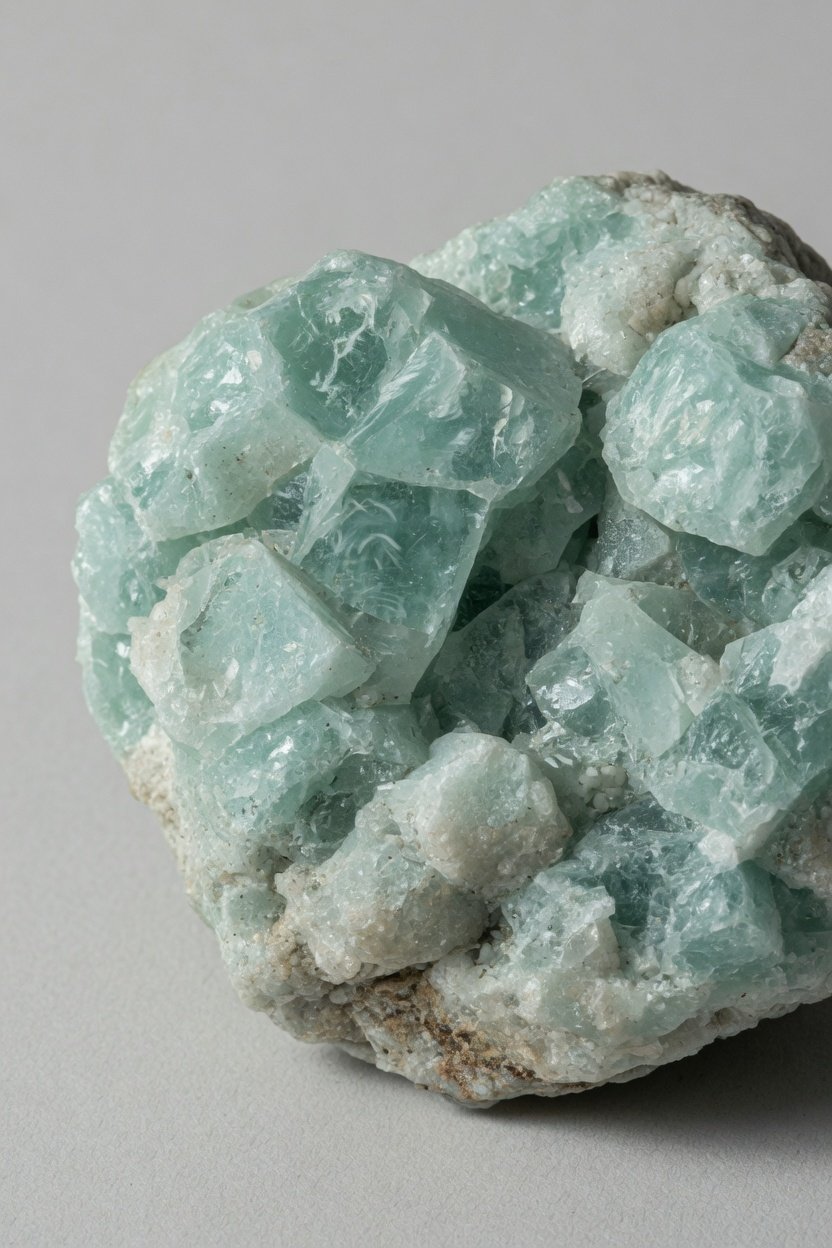
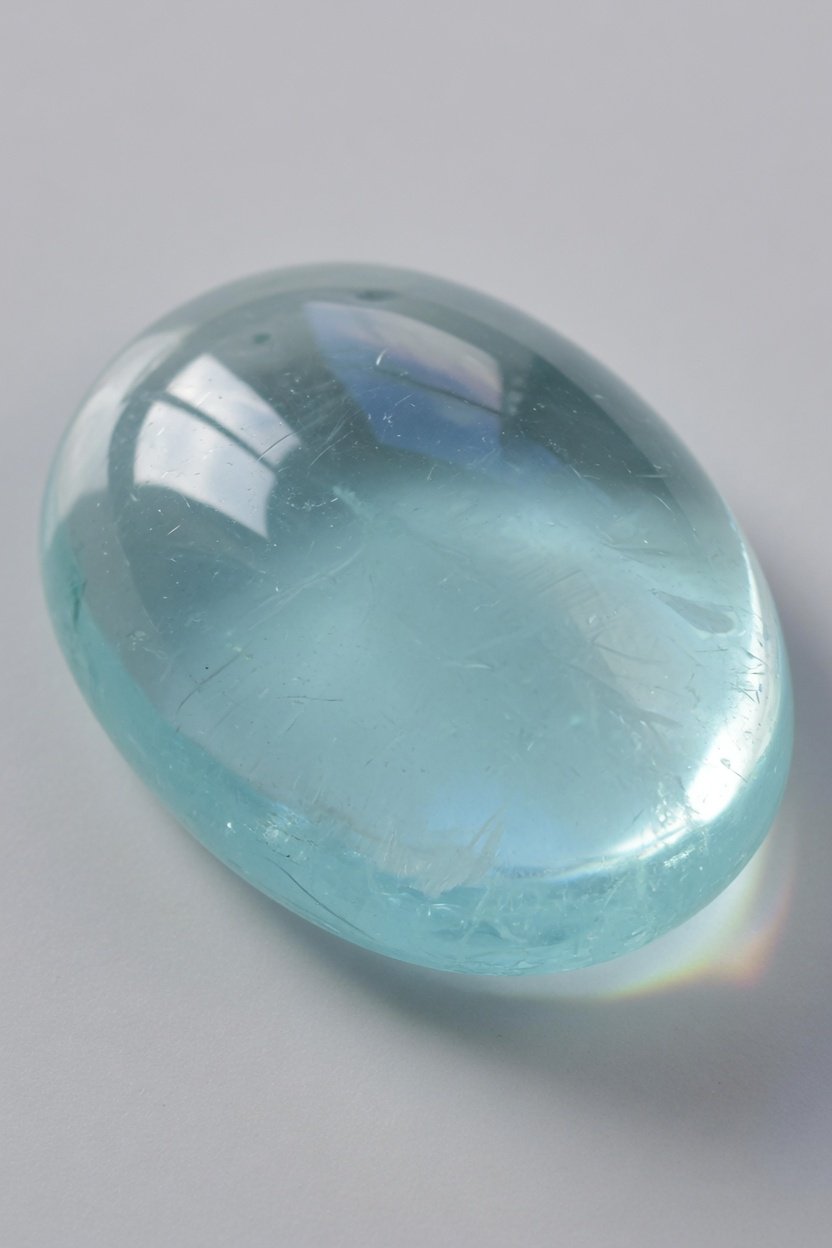
Physical Properties Aquamarine registers 7.5 to 8 on the Mohs scale, offering good resistance to everyday wear while remaining softer than corundum or diamond. Its specific gravity of 2.68–2.74 produces a light, buoyant feel in finished pieces. The stone exhibits a vitreous luster and ranges from transparent to translucent, with hexagonal prisms that often display subtle color zoning from deeper blue at the base to paler tones near the termination. Because aquamarine contains structural water, prolonged high heat can cause clouding or fracture along internal planes; therefore the stone must be set only after all soldering and polishing steps are complete. Avoid steam cleaners and ultrasonic baths if fractures or liquid inclusions are suspected.
Origin and Sourcing Primary deposits occur in Brazil’s Minas Gerais pegmatites, with additional material from Madagascar, Pakistan, and Nigeria. Miners extract aquamarine from coarse-grained granitic veins where beryl crystals grow alongside feldspar, quartz, and mica. Alluvial concentrations in stream gravels supplement hard-rock production, though the finest saturated blues still come from primary pockets reached by tunneling.
History and Significance Ancient Romans believed aquamarine originated in the treasure chests of mermaids and carved it into intaglios for safe sea voyages. Medieval Europeans set the stone into crosses and sword pommels to grant courage and clear judgment. By the nineteenth century Brazilian material flooded European markets, cementing aquamarine’s place as March’s birthstone and a symbol of enduring calm.
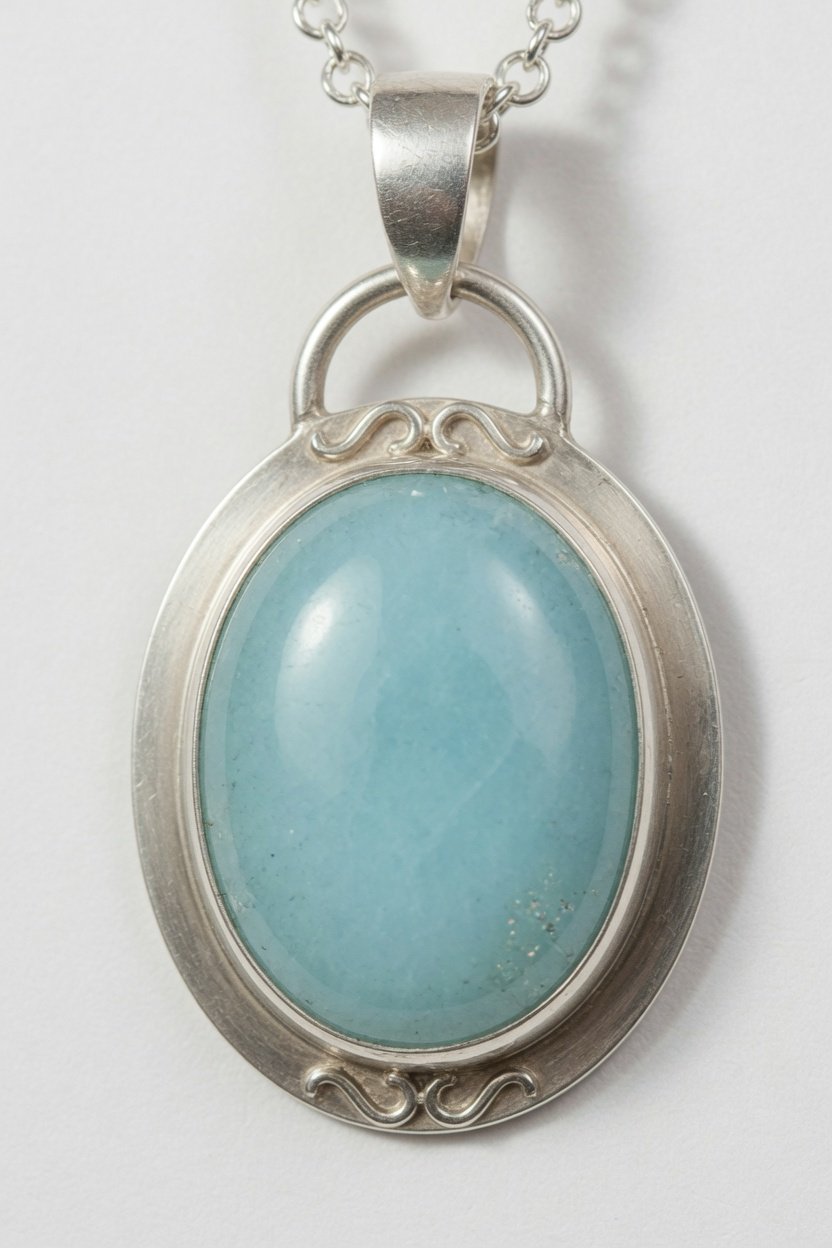
In Jewelry and Silversmithing Silversmiths favor clean bezel or low-profile prong settings that protect the stone’s edges without masking its color. Because aquamarine transmits light beautifully, thin silver backs or open galleries are used to intensify the blue. The stone is always seated after soldering to prevent heat-induced whitening; final polishing is performed with gentle compounds to preserve the natural luster.
Identifying Aquamarine in the Field In pegmatite outcrops, look for pale blue-green hexagonal prisms with flat terminations and vitreous surfaces that contrast against white feldspar matrix. Hardness tests distinguish it from softer apatite, while the absence of pleochroic color change separates it from tourmaline. A quick check for conchoidal fracture and lack of strong cleavage confirms the identification before any lapidary work begins.
Quick Facts
Common names: Aquamarine
Chemical formula: Be₃Al₂Si₆O₁₈
Mohs hardness: 7.5–8
Specific gravity: 2.68–2.74
Color: Pale blue to blue-green
Crystal system: Hexagonal
Luster: Vitreous
Transparency: Transparent to translucent
Common cuts: Emerald, round, oval, cabochon
Common treatments: Heat treatment to deepen blue
Best silver setting: Classic Silver Bezel Pendant
Birthstone month (if any): March
Main sources: Brazil, Madagascar, Pakistan, Nigeria
Meaning & Intentions
SERENE COURAGE
Aquamarine steadies the heart during uncertain passages, its cool clarity acting as a portable reminder that composure can be maintained even when external conditions feel turbulent. Silversmiths often place the finished stone in a low bezel so the wearer’s skin remains in gentle contact with the crystal throughout the day.
Chakra: Throat – supports clear, measured speech INNER CLARITY
The stone’s transparent depths encourage honest self-examination, helping the wearer separate fleeting emotion from enduring truth. When cut as a smooth cabochon and set in silver, aquamarine becomes a quiet lens that rewards daily contemplation.
Chakra: Throat – sharpens perception and truthful expression PROTECTIVE FOCUS
Aquamarine creates a calm perimeter around the mind, deflecting scattered thoughts and external pressures so that purposeful action can proceed unimpeded. A simple silver bezel keeps the stone close without distraction.
Chakra: Throat – anchors steady intention Affirmation: "I move through each day with clear purpose and steady calm." AT A GLANCE: Chakra: Throat Element: Water Energy: Receptive Zodiac: Pisces, Aries Planet: Neptune Affirmation: "I move through each day with clear purpose and steady calm."
Related Stones
Explore more stones from the Gemstone Library: Blue Lace Agate · Chalcedony · Sodalite