Smoky quartz draws the eye with its understated haze, a stone that seems to hold twilight within its depths and invites closer inspection from anyone who values quiet strength over flash. Silversmithing students quickly learn that this variety of quartz rewards patient handling and thoughtful design choices that honor its natural character rather than overpower it.
Physical Properties Smoky quartz is silicon dioxide colored by natural irradiation that creates its signature brown to nearly black tones, ranging from pale smoky beige through deep chocolate and ink-black shades. With a Mohs hardness of seven it resists everyday wear yet remains workable with standard lapidary tools, and its vitreous luster gives polished surfaces a glass-like brilliance that catches studio light beautifully. Specific gravity sits near 2.65, producing a satisfying heft in the hand without excessive weight in finished pieces. The stone is typically set after all soldering is complete to avoid any risk of color fading from prolonged heat exposure, and care cautions include protecting it from sudden temperature swings that could induce internal fractures along its subtle growth zoning.
Origin and Sourcing Major deposits occur in Brazil’s Minas Gerais region, the pegmatites of Madagascar, the granite highlands of Scotland, and several locations across the United States including Colorado and New Hampshire. Material is extracted through a combination of hard-rock mining in adits and open-pit benching where quartz veins are followed into hillsides. Rough is then sorted on site for clarity and color density before being shipped to lapidaries who decide whether each piece will become a faceted gem or a tumbled specimen.
History and Significance Ancient Scots carried cairngorm crystals as talismans against negative influences, while Victorian-era jewelers set the stone in mourning jewelry to symbolize quiet resilience. In the twentieth century, smoky quartz gained popularity among metaphysical practitioners for its reputed grounding qualities, yet its appeal in the silversmithing studio has always rested on its reliable durability and the way its earthy palette complements both oxidized and bright silver finishes.
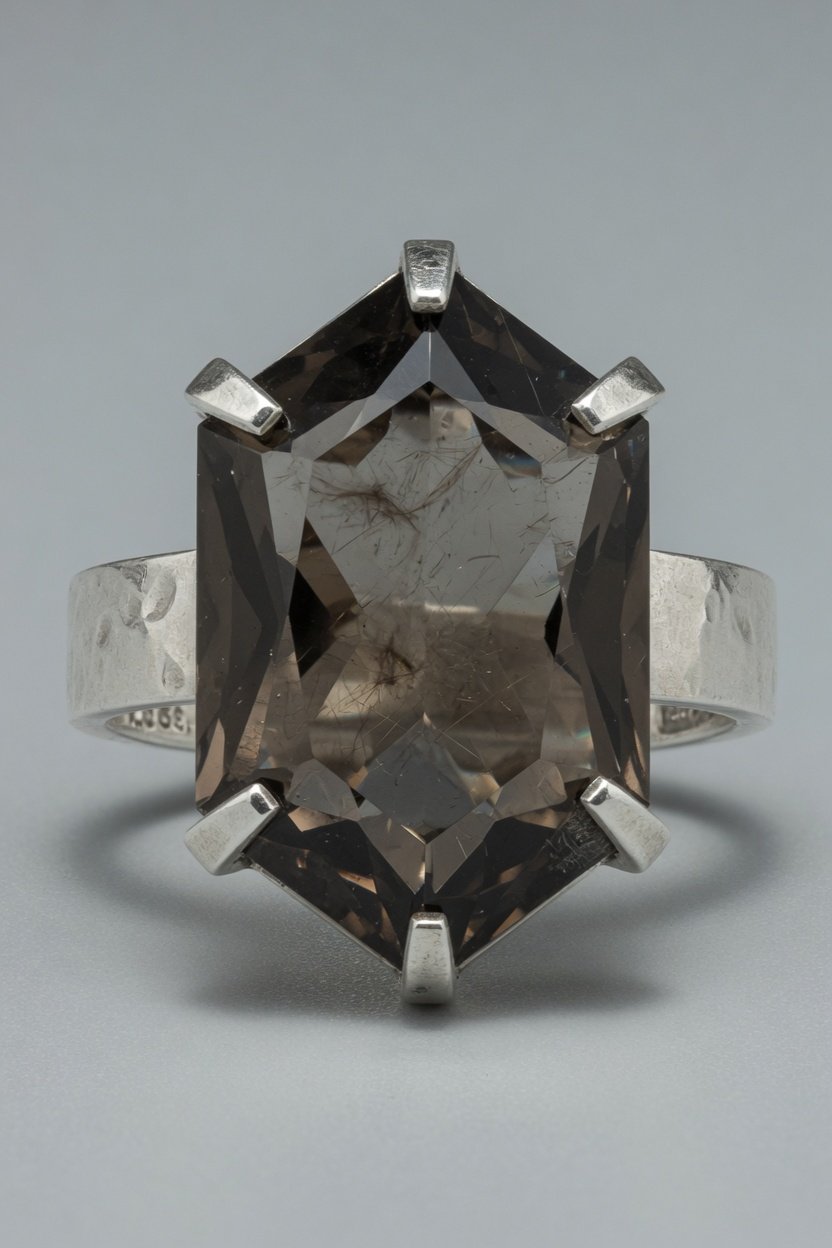
In Jewelry and Silversmithing Because the color arises from natural radiation rather than dye, smoky quartz pairs especially well with sterling silver in designs that let the stone’s smoky depth interact with the metal’s cool tone. Students are taught to cut or select orientation so that any internal veils or color zoning enhance rather than distract from the overall composition. The stone is always set after all soldering operations are finished, and makers are advised to avoid prolonged torch exposure during any later repairs.
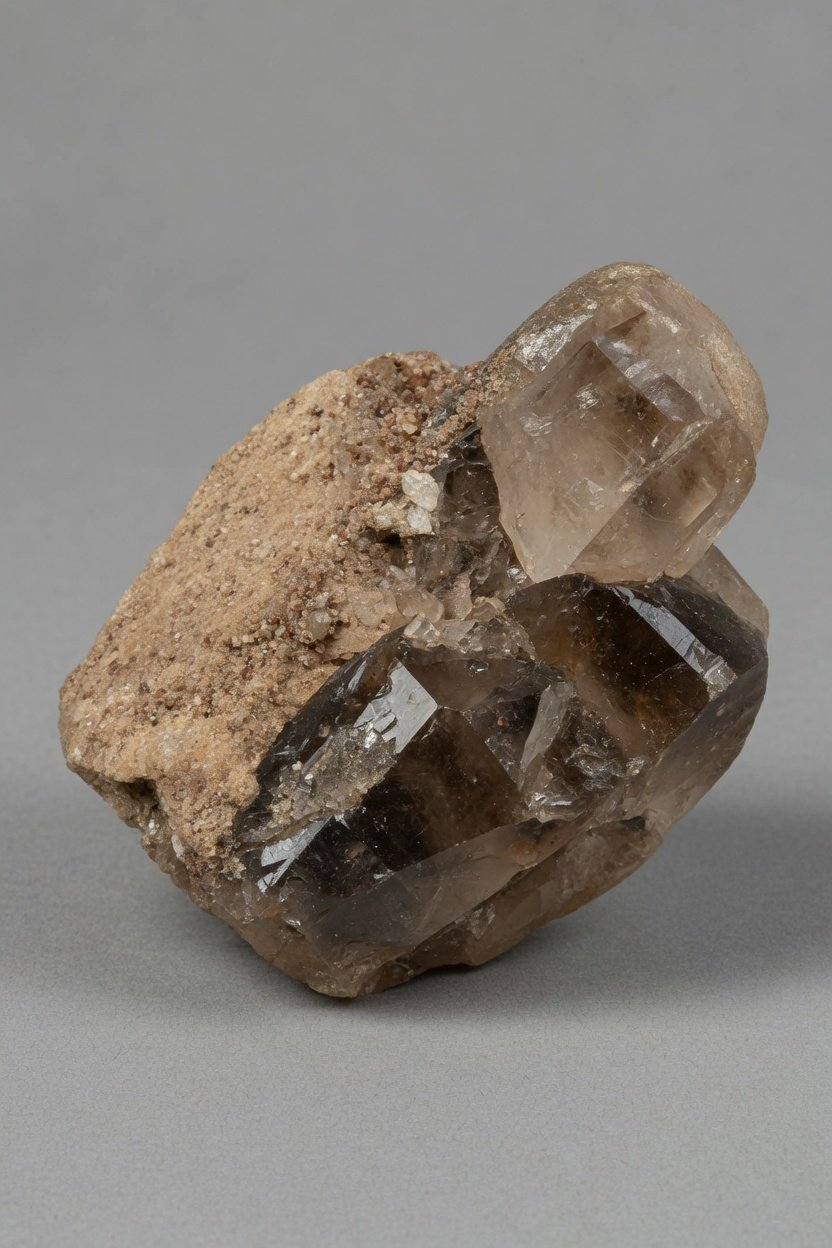
Identifying Smoky Quartz in the Field In the field the stone appears as hexagonal prisms with a distinctive smoky interior that distinguishes it from clear rock crystal or milky white quartz; a quick scratch test against glass confirms its hardness while a light passed through the crystal reveals the even, non-metallic coloration typical of natural irradiation rather than surface staining. Care must still be taken to set the finished stone only after all soldering is complete, and finished pieces should be kept away from harsh abrasives that could dull the vitreous surface over time.
Meaning & Intentions
GROUNDING
Smoky quartz is carried or worn to anchor scattered energy and provide a steady sense of presence during stressful periods. Silversmiths often incorporate the stone into everyday rings or pendants so the wearer can touch its cool surface as a tactile reminder to remain centered. Its natural dark tones visually reinforce the intention of stability without drawing undue attention.
Chakra: Root — foundation and physical security CLARITY
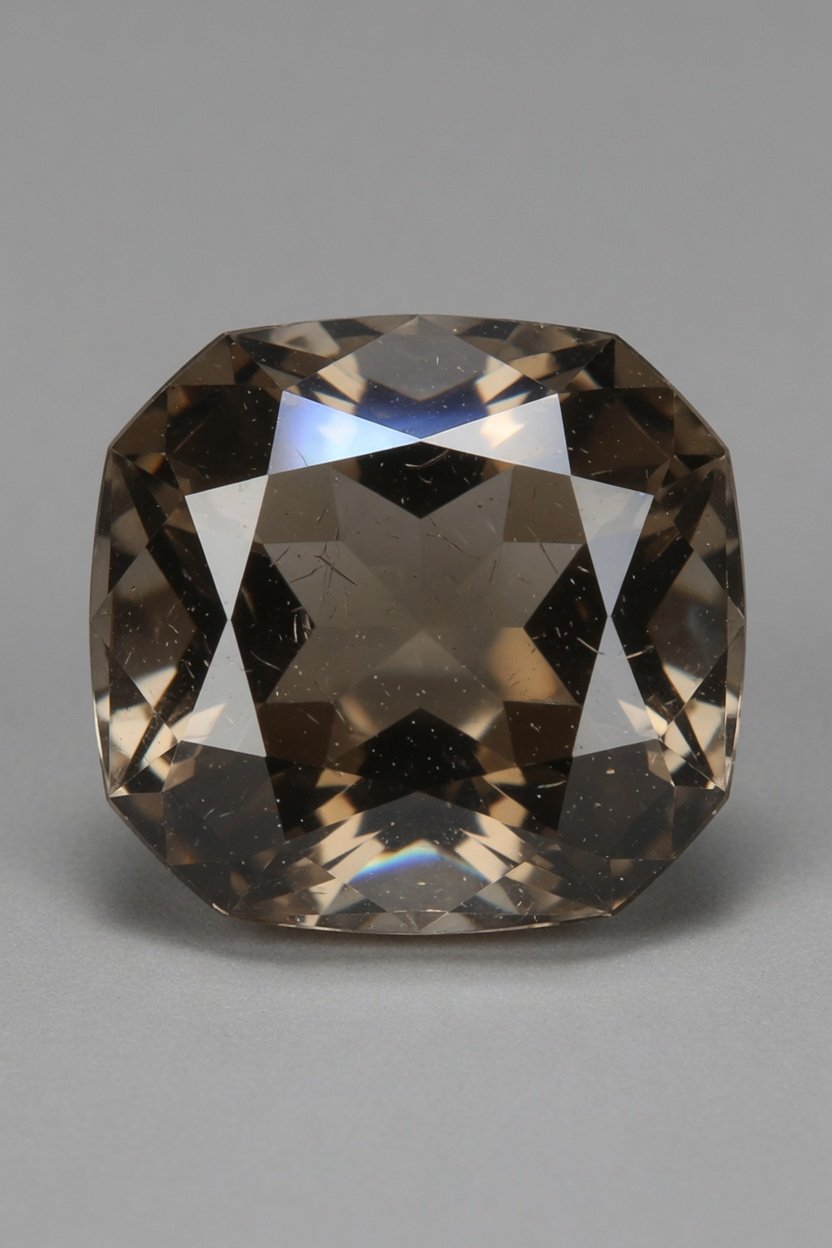
The stone’s translucent depths are said to help clear mental fog and support focused decision-making when set into a study or workspace object. Artisans sometimes facet the quartz to maximize internal reflections that metaphorically encourage insight. Wearers report using the piece during meditation or planning sessions to maintain steady concentration.
Chakra: Third Eye — perception and inner vision PROTECTION
Smoky quartz is traditionally regarded as a shield against unwanted external influences when fashioned into a sturdy pendant or brooch. The dense color is believed to absorb and neutralize negativity before it reaches the wearer. Silversmiths frequently choose substantial bezel or prong settings that emphasize the stone’s role as a durable barrier.
Chakra: Root — grounding and energetic boundaries Affirmation: "I remain steady and clear." AT A GLANCE: Chakra: Root Element: Earth Energy: Receptive Zodiac: Capricorn, Sagittarius Planet: Saturn Affirmation: "I remain steady and clear."
Related Stones
Explore more stones from the Gemstone Library: Onyx · Boulder Opal · Jasper