Oregon Sunstone emerges from the volcanic soils of Oregon with an inner fire that catches light in shifting planes of copper-red and golden shimmer, drawing silversmiths and gem enthusiasts alike into its luminous depths. This feldspar variety transforms ordinary light into a spectacle of aventurescence that feels both ancient and alive, offering a rare window into the mineral world where metallic inclusions create depth without overwhelming transparency. Its presence in a finished piece signals both geological patience and meticulous craft.
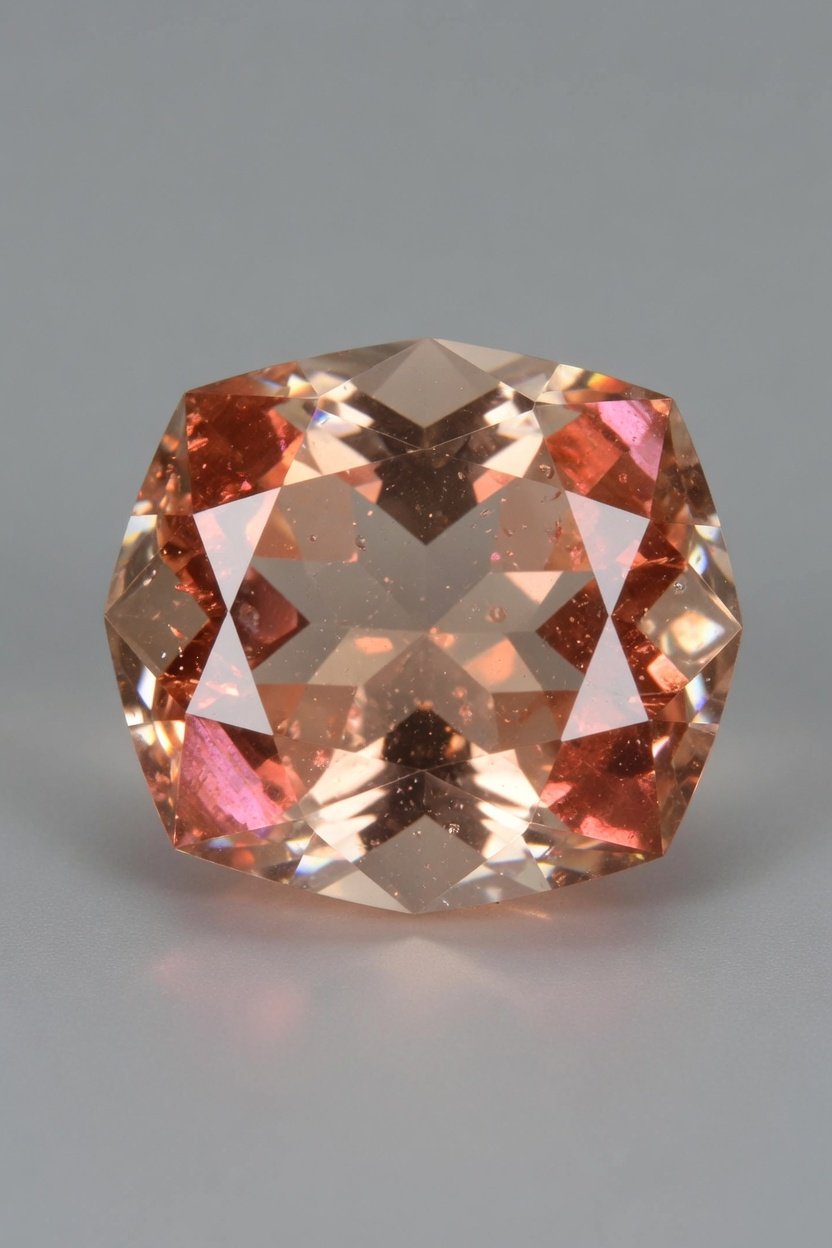
Physical Properties Oregon Sunstone is a variety of labradorite feldspar whose defining trait is the presence of tiny copper platelets suspended within the crystal lattice, producing the signature schiller or aventurescence that flashes red, orange, pink, or occasionally green and blue depending on orientation and lighting. Hardness registers 6 to 6.5 on the Mohs scale, sufficient for everyday jewelry yet requiring care to avoid scratches on the polished surfaces that reveal its optical play. Specific gravity falls between 2.70 and 2.72, and the stone exhibits vitreous luster with transparency ranging from fully clear to lightly translucent. Cleavage is perfect in two directions, so rough material must be oriented carefully during cutting to prevent unwanted parting. Always set Oregon Sunstone after all soldering is complete; exposure to torch heat can cause the copper inclusions to oxidize or the stone to fracture along cleavage planes. Avoid ultrasonic cleaners and sudden temperature changes, as these can stress the internal structure and diminish the schiller effect.
Origin and Sourcing The primary commercial deposits lie in the remote high-desert regions of south-central Oregon, particularly the Rabbit Hills and surrounding areas near the town of Plush, where ancient lava flows created the perfect conditions for copper-bearing feldspar to crystallize. Miners extract the material through a combination of open-pit benching and careful alluvial screening of weathered gravels, work that remains largely seasonal because of harsh winters and limited water. Most rough reaches the market through small-scale operators who sell to cutters in the United States, ensuring traceability that larger feldspar sources often lack. The limited geographic footprint keeps annual production modest, which in turn supports the stone’s reputation for authenticity and consistent quality.
History and Significance Native American communities in the Pacific Northwest have long collected sunstone for ceremonial and decorative uses, recognizing the stone’s warm flashes as echoes of sunlight captured in rock. Systematic commercial mining began in the mid-twentieth century after geologists mapped the extent of the deposits, transforming what had been occasional prospecting into a recognized American gem resource. Today Oregon Sunstone stands as the official state gemstone, symbolizing both natural wonder and the independent spirit of small-scale mining that still characterizes its production.
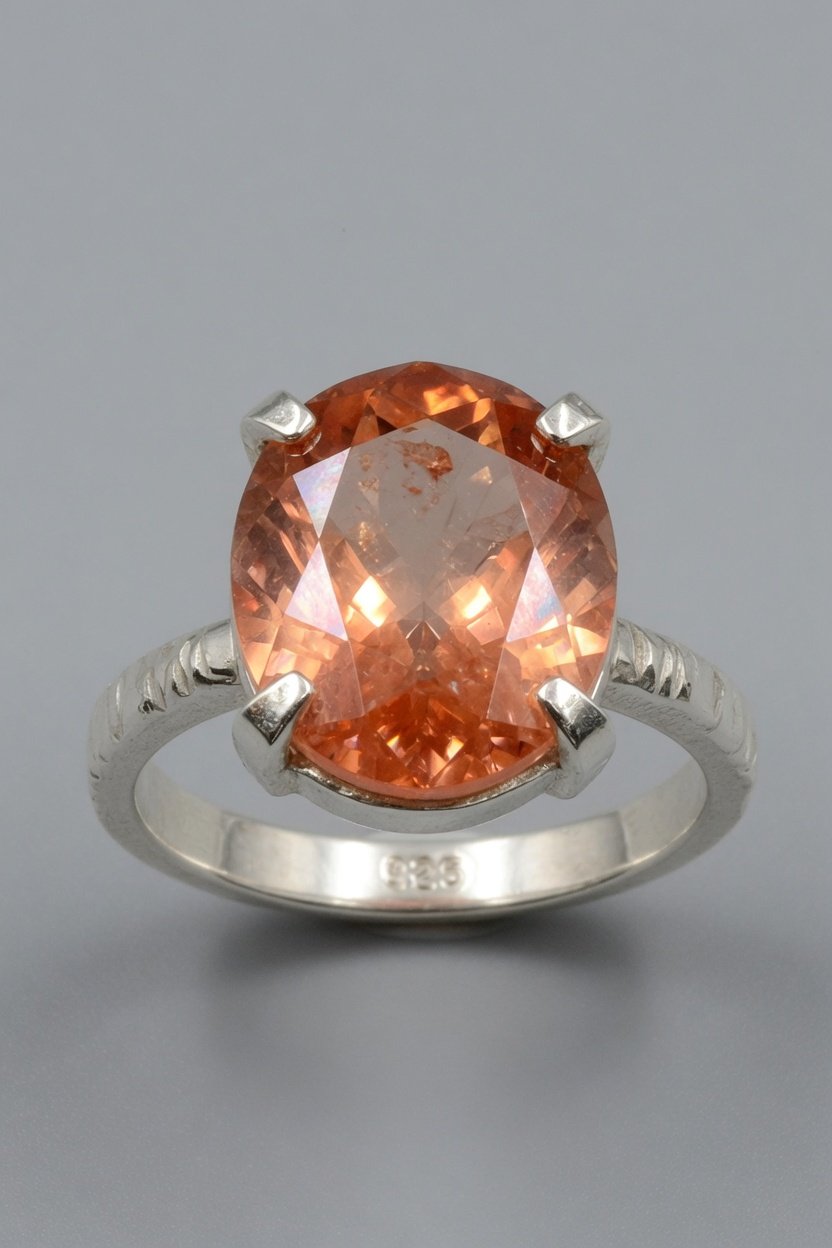
In Jewelry and Silversmithing Silversmiths prize Oregon Sunstone for its ability to hold a high polish that maximizes the copper schiller while remaining compatible with sterling settings. Because the stone is heat-sensitive, all soldering, annealing, and patination must be finished before the gem is seated; once set, the piece receives only cold finishing techniques such as careful buffing and polishing. Prong and bezel mounts both work well, though open-backed prong settings allow light to pass through and intensify the internal reflections. Regular care involves gentle wiping with a soft cloth and avoidance of harsh chemicals that could etch the feldspar surface or cloud the aventurescence.
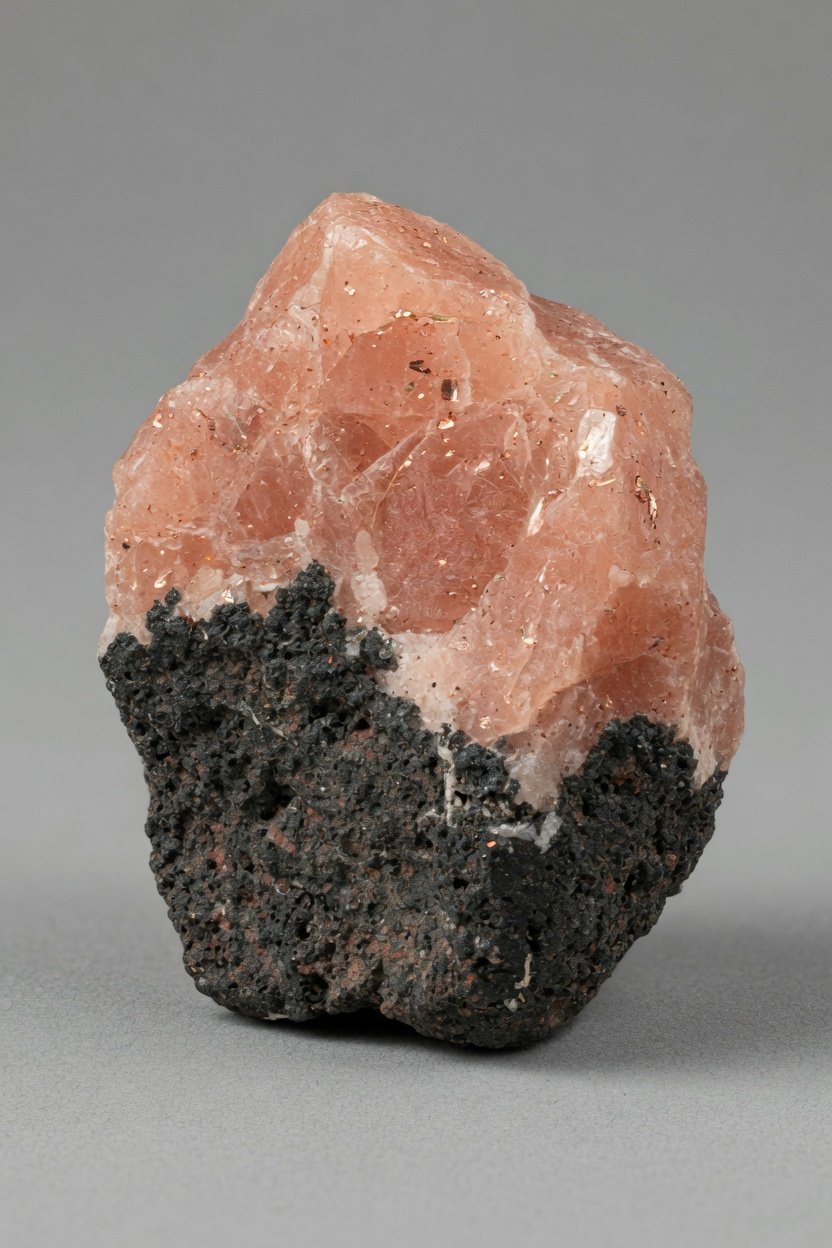
Identifying Oregon Sunstone in the Field In rough form the stone appears as blocky feldspar crystals with a distinctive salmon-pink to reddish cast and a slightly greasy feel on fresh breaks; the tell-tale copper inclusions are visible as tiny metallic flecks when the specimen is turned under strong light. A quick field test is to observe the directional flash: only true Oregon material from the Plush district will show the copper-red schiller across multiple angles rather than the simpler labradorescence of other feldspars. Matrix is usually sparse, consisting of fine-grained basalt or weathered rhyolite, and the crystals often weather free in alluvial gravels, making them easy to spot once the eye is trained to their warm glow against the desert floor.
Related Stones
Explore more stones from the Gemstone Library: Agate · Alexandrite · Amazonite