Topaz catches light like frozen honey or clear mountain water, its prismatic crystals forming deep within the earth’s cooling magma. The stone’s natural clarity and subtle color zoning make it a favorite among silversmiths who seek both durability and visual depth. Its presence on the bench signals a material that rewards careful handling and thoughtful design.
Physical Properties Topaz registers 8 on the Mohs scale, placing it just below corundum yet far tougher in everyday wear than its hardness number suggests. The mineral’s perfect basal cleavage demands respect during setting; any sharp blow along the plane can split the stone cleanly. Specific gravity hovers near 3.5, giving pieces a satisfying weight in hand. Colors range from colorless through sherry brown, imperial golden yellow, and the familiar Swiss blue produced by irradiation and heat. Topaz must always be set after all soldering is complete; its sensitivity to sudden temperature change makes direct torch exposure risky and can produce internal fractures or color shifts.
Origin and Sourcing Most commercial topaz comes from pegmatite veins in Brazil’s Minas Gerais region, where miners follow narrow tunnels into granite. Additional deposits occur in Russia’s Ural Mountains, Pakistan’s Gilgit-Baltistan valleys, and scattered localities across the western United States. Alluvial concentrations in river gravels yield rounded crystals that require minimal processing, while primary hard-rock mining supplies the largest facet-grade pieces. Trace fluorine and hydroxyl content vary by locality, subtly influencing both color and response to treatment.
History and Significance Ancient Romans believed topaz granted protection during travel and placed it in amulets for sailors. Medieval lapidaries listed it among the stones that calmed anger and promoted honesty in speech. In the nineteenth century, imperial topaz from Brazil became a favorite of European royalty, its rich golden tones set into heavy gold parures. The stone’s name itself may derive from the Sanskrit word for fire, reflecting the warm glow of untreated yellow crystals.
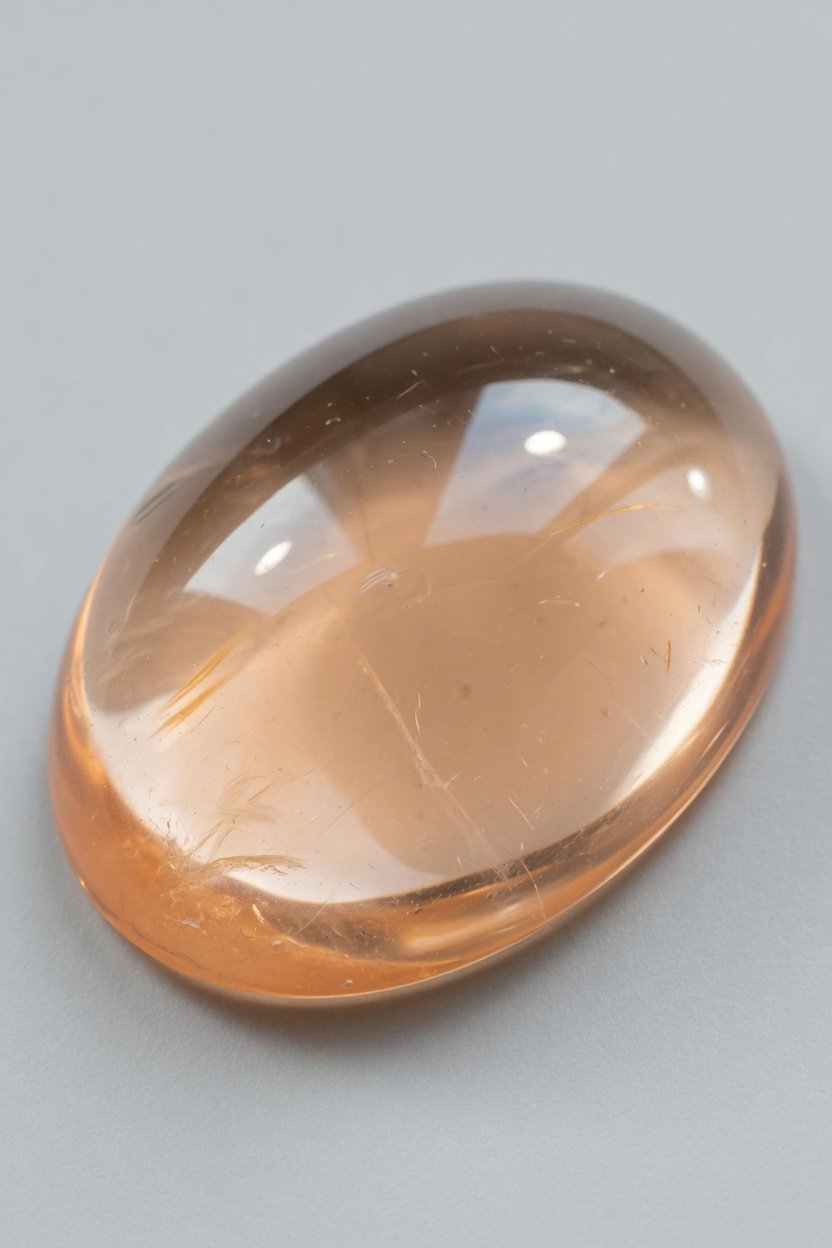
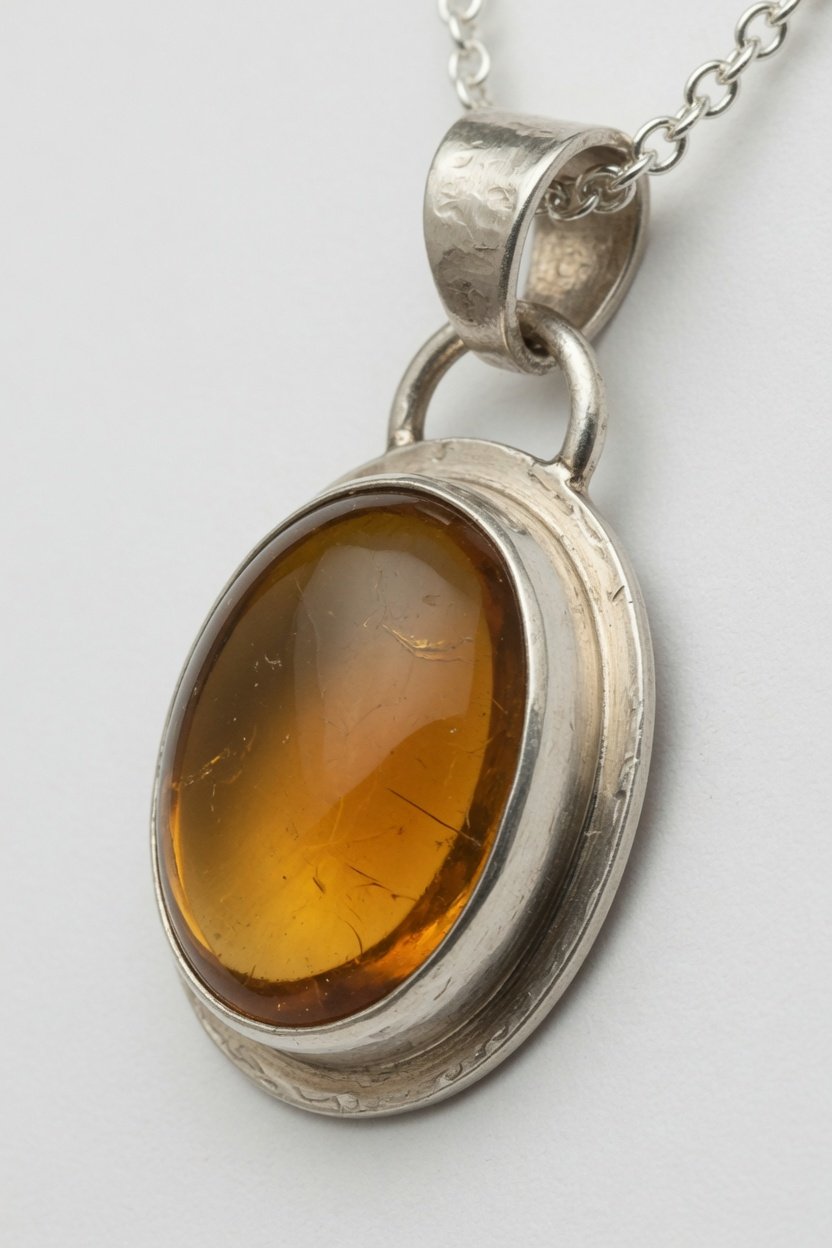
In Jewelry and Silversmithing Silversmiths favor topaz for pendants and rings because its hardness resists daily abrasion while its vitreous luster pairs cleanly with oxidized silver. Oval and emerald cuts maximize brilliance without excessive waste, and the stone’s pleochroism allows cutters to orient color zones for uniform face-up appearance. Because topaz can fracture along cleavage planes if overheated, all soldering and annealing steps on the mounting must finish before the stone is seated. Once set, a thin layer of clear lacquer on the pavilion occasionally protects against skin oils that might otherwise dull the polish over decades.
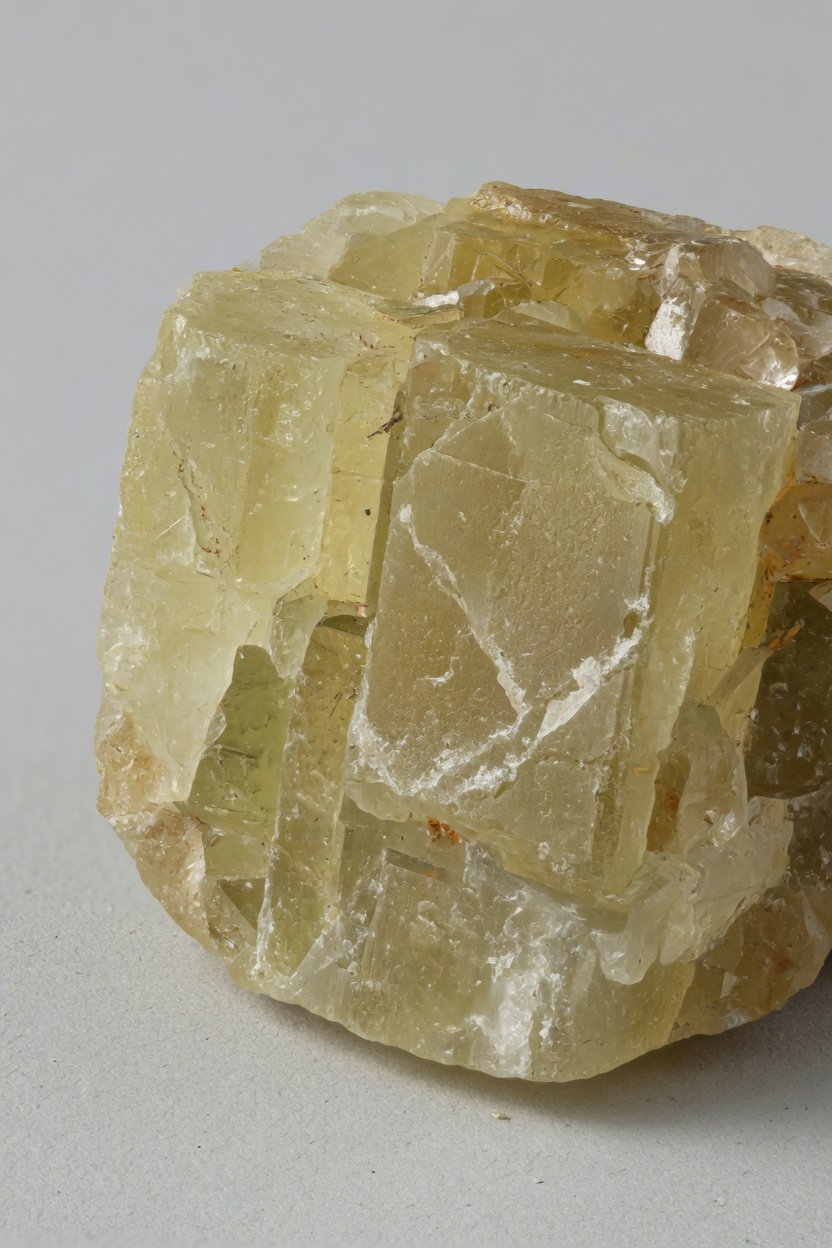
Identifying Topaz in the Field In hand samples, topaz shows long prismatic habit with pronounced vertical striations and a glassy surface that resists scratching by quartz. A quick hardness test against a steel file leaves no mark, yet the stone’s perfect cleavage distinguishes it from similarly hard andalusite or euclase. Color zoning often appears in faint parallel bands when viewed through the side of a crystal; untreated material rarely displays the saturated blue typical of treated stones. Specific gravity testing with a heavy-liquid kit separates topaz from lighter quartz imitations.
Quick Facts
Common names: Topaz, Imperial Topaz, Blue Topaz
Chemical formula: Al₂SiO₄(F,OH)₂
Mohs hardness: 8
Specific gravity: 3.49–3.57
Color: Colorless, yellow, blue, pink, brown
Crystal system: Orthorhombic
Luster: Vitreous
Transparency: Transparent to translucent
Common cuts: Oval, emerald, cushion, pear
Common treatments: Irradiation and heat for blue; none for imperial
Best silver setting: Classic Silver Bezel Pendant
Birthstone month: November
Main sources: Brazil, Russia, Pakistan, United States
Meaning & Intentions
CLARITY
Topaz is carried or worn when mental fog needs clearing and decisions require steady focus. Its transparent structure encourages honest self-examination without emotional distortion, helping wearers separate useful thoughts from habitual worry. Silversmiths often place a small topaz cabochon at the center of a pendant so the stone rests near the throat, reinforcing clear speech.
Chakra: Throat — supports truthful expression and calm communication PROTECTION
The stone’s hardness and historic use in travel amulets give it a reputation for shielding against external negativity. Wearers report feeling more grounded during stressful transitions when topaz rests against the skin. In silver work the stone is frequently bezel-set low so it stays close to the body rather than projecting outward.
Chakra: Root — anchors energy and encourages physical stability INTEGRITY
Topaz is traditionally linked with personal honesty and the courage to act in alignment with one’s values. Its clean crystal habit visually reinforces the idea of an unclouded inner compass. Artisans sometimes engrave a single word or symbol on the silver back-plate behind the stone, turning the finished piece into a private reminder.
Chakra: Solar Plexus — strengthens personal will and ethical resolve Affirmation: "I see clearly and stand steady." AT A GLANCE: Chakra: Throat, Root, Solar Plexus Element: Fire Energy: Projective Zodiac: Sagittarius, Leo Planet: Sun Affirmation: "I see clearly and stand steady."
Related Stones
Explore more stones from the Gemstone Library: Amazonite · Chalcedony · Blue Lace Agate