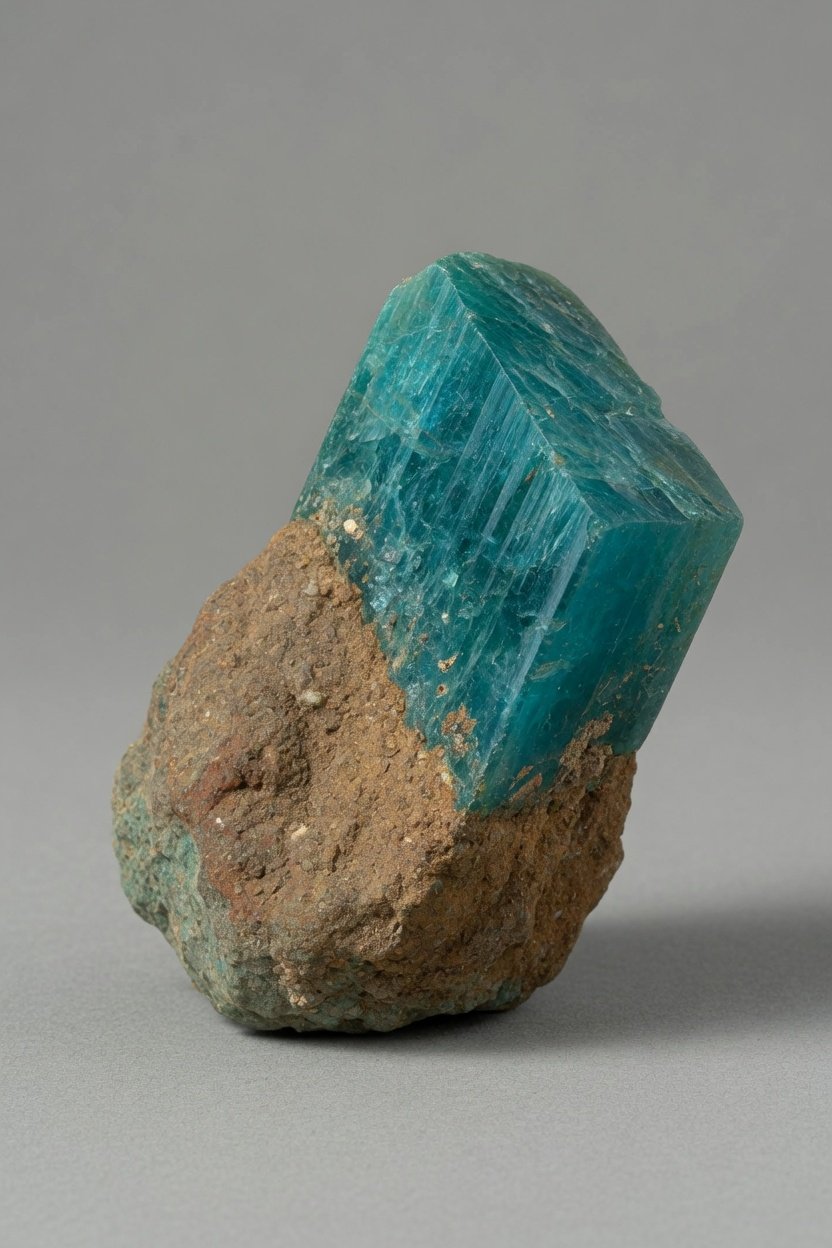
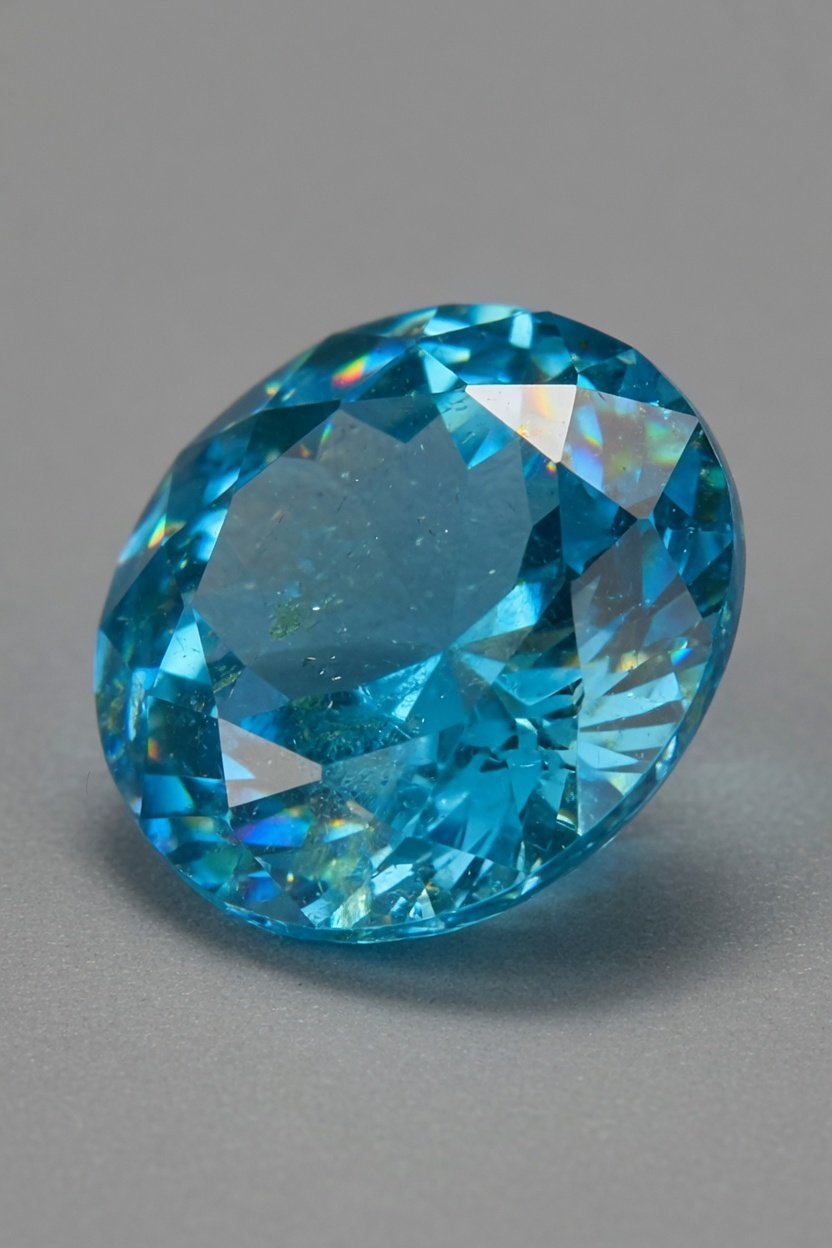
Apatite draws the eye with its oceanic blues and meadow greens that seem to hold the light of distant skies inside clear crystal. This phosphate mineral forms in igneous and metamorphic rocks where it grows alongside other gems yet rarely receives the same spotlight. Its vibrant hues and modest price make it a favorite among silversmiths seeking color without the cost of sapphire or tourmaline.
Physical Properties Apatite registers 5 on the Mohs scale, soft enough to scratch with a knife yet hard enough for careful wear. Its specific gravity hovers near 3.2 and its hexagonal crystals often display perfect cleavage in one direction. The stone shows strong vitreous luster when polished and can appear transparent to translucent. Because apatite contains hydroxyl or fluorine, it is sensitive to prolonged heat; always set the stone after all soldering is complete and avoid open-flame exposure during fabrication. Clean only with warm soapy water and a soft brush; ultrasonic and steam cleaners are not recommended.
Origin and Sourcing Major deposits occur in Brazil’s Minas Gerais region, Madagascar’s pegmatites, Mexico’s volcanic terrains, and the Kola Peninsula of Russia. Apatite forms in both massive beds and well-formed crystals within granite and marble. Miners extract the mineral through open-pit methods or underground adits where the phosphate-rich veins are followed by hand and machine. Trace elements such as manganese and iron produce the signature blue and green shades that reach the market as facet-grade rough.
History and Significance Ancient Egyptians mined apatite alongside turquoise and used the blue variety in amulets believed to promote clear speech. In the nineteenth century, European mineralogists first distinguished apatite from other green stones after realizing its chemical identity as calcium phosphate. The name itself comes from the Greek “apate,” meaning deceit, because early collectors frequently mistook it for more valuable gems. Today the stone symbolizes manifestation and is carried by artists and writers who seek focus.
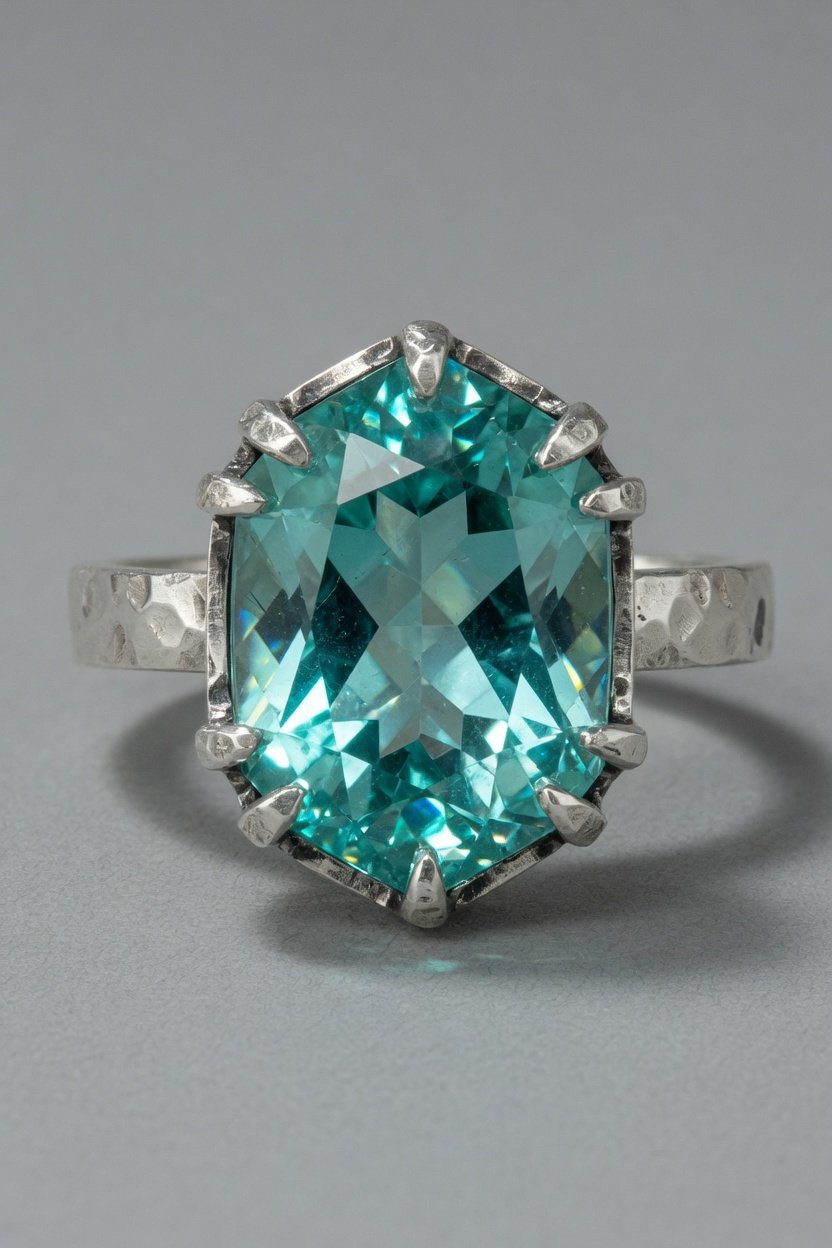
In Jewelry and Silversmithing Silversmiths favor apatite for its bright color that contrasts beautifully with oxidized silver. Because the stone is soft, it is best set after all soldering and pickling steps are finished. Bezel or prong settings that fully support the girdle protect the cleavage planes from knocks. The material polishes to a high shine yet scratches easily in daily wear, so many makers reserve apatite for pendants and earrings rather than rings. Its moderate refractive index produces lively brilliance when cut with precision facets.
Identifying Apatite in the Field In the field, look for hexagonal prisms with a greasy to vitreous luster and a distinctive conchoidal fracture. The stone often occurs with mica or quartz and may show color zoning from blue to green within a single crystal. A simple streak test yields white, and apatite is non-magnetic. Hardness testing with a copper penny will leave a mark, immediately separating it from harder beryl or quartz. Always confirm identity with refractive index readings between 1.63 and 1.64 before purchase.
Quick Facts
Common names: Apatite
Chemical formula: Ca5(PO4)3(F,Cl,OH)
Mohs hardness: 5
Specific gravity: 3.16–3.22
Color: Blue, green, yellow, violet, colorless
Crystal system: Hexagonal
Luster: Vitreous to sub-vitreous
Transparency: Transparent to translucent
Common cuts: Faceted oval, round, emerald; occasional cabochon
Common treatments: Heat, occasional irradiation for color
Best silver setting: Contemporary Prong Ring
Birthstone month (if any): None
Main sources: Brazil, Madagascar, Mexico, Russia
Meaning & Intentions
MANIFESTATION
Apatite supports focused intention by clearing mental fog and sharpening creative vision. Silversmiths set the stone in talismans worn during design work so the wearer can hold a clear picture of the finished piece. The cool blue varieties are especially prized for turning scattered ideas into tangible silver forms.
Chakra: Throat — clear communication and truthful expression INSIGHT
The stone’s transparent depths encourage honest self-examination and deeper understanding of personal patterns. Wearers report that gazing into a well-cut apatite helps surface hidden motivations without judgment. In jewelry the gem acts as a quiet mirror for daily reflection.
Chakra: Third Eye — inner vision and intuitive awareness BOUNDARIES
Apatite’s structured crystal lattice reminds the wearer to maintain healthy energetic limits. The mineral is carried during difficult conversations to support calm, firm speech without aggression. Its presence in silver jewelry reinforces personal space while remaining open to genuine connection.
Chakra: Root — grounded stability and safety Affirmation: "I see clearly and create with purpose." AT A GLANCE: Chakra: Throat Element: Water Energy: Receptive Zodiac: Gemini Planet: Mercury Affirmation: "I see clearly and create with purpose."
Related Stones
Explore more stones from the Gemstone Library: Amazonite · Blue Lace Agate · Alexandrite